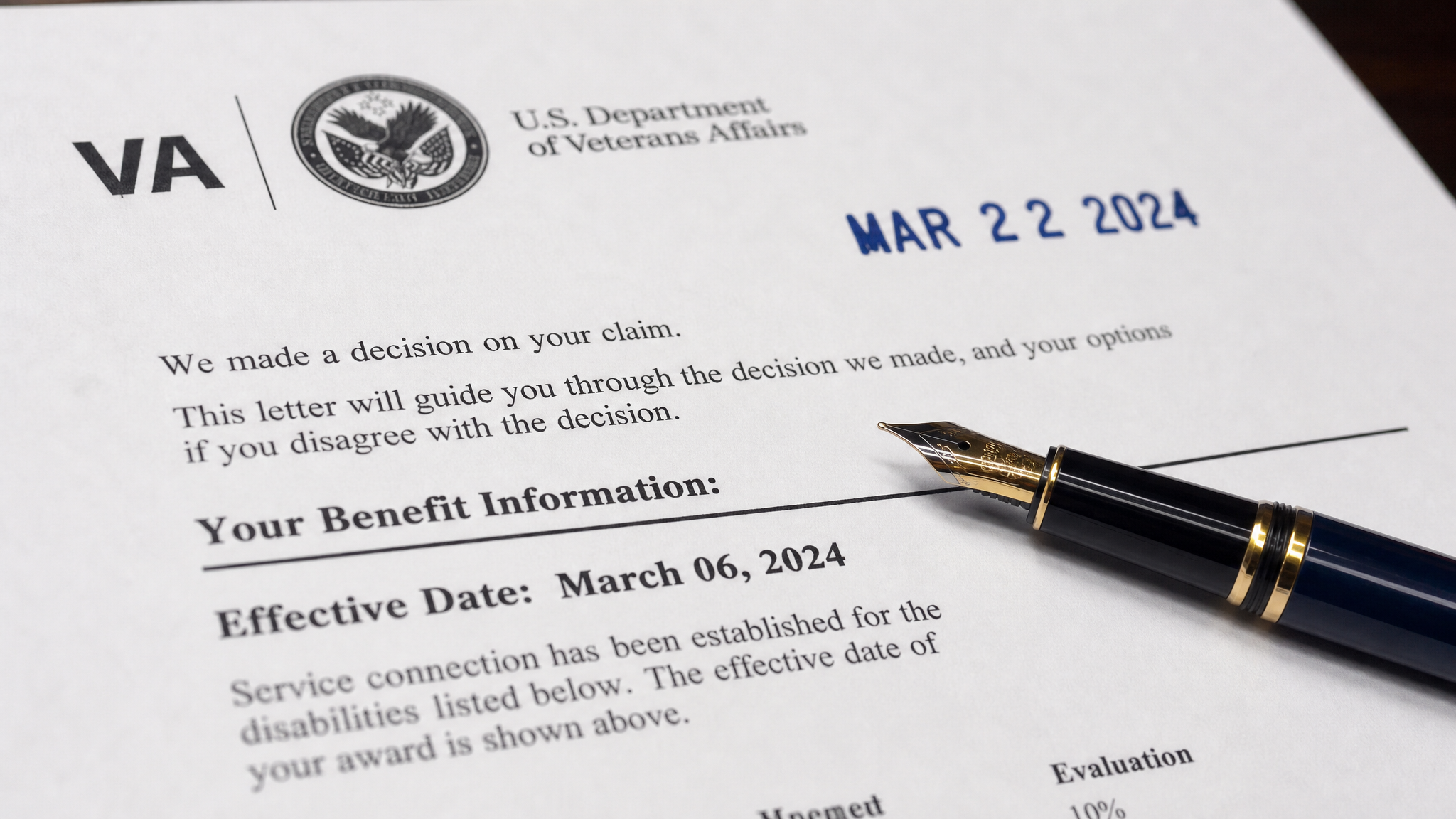
Most lost back pay is not stolen, it is forfeited, one avoidable decision at a time. Here are the traps to watch for.
When a veteran loses back pay, it is rarely dramatic. There is no villain, just a series of quiet, avoidable decisions that each move the effective date forward. Here are the traps I see most.
Re-filing instead of appealing
After a denial, starting a brand-new claim instead of appealing feels like a fresh start. It is not, it resets your effective date to the new filing and forfeits the months you had already banked. Appeal within the year and keep the original date.
Abandoning a claim
Missing a deadline, ignoring an evidence request, or skipping a C&P exam can cause a claim to lapse. Picking it back up later means a later date and less retro.
Ignoring secondaries and increases
Conditions caused by a service-connected disability, and worsening that justifies an increase, can carry effective dates that relate back. Leave them unclaimed and you leave that back pay behind.
The pattern is always the same: a forward-moving effective date. Guard it, and you guard your money.
The regulatory authority behind toxic-exposure claims lives in M21-1, Part IV, Subpart ii, Chapter 2, Section C (Service Connection for Disabilities Resulting from Exposure to Environmental Hazards). This section governs how raters develop and adjudicate toxic-exposure claims, including burn-pit, Agent Orange, contaminated-water, and radiation claims, and cross-references the PACT Act's conceded-exposure framework under 38 U.S.C. §1168 (TERA). When a C&P examiner renders a negative nexus opinion without addressing the documented exposure pathway, that opinion is inadequate under Barr v. Nicholson, and raters are required to return it for a supplemental opinion. Veterans who receive a denial after a cursory exam should cite the specific M21-1 development procedures the rater failed to follow.