
C&P Exams
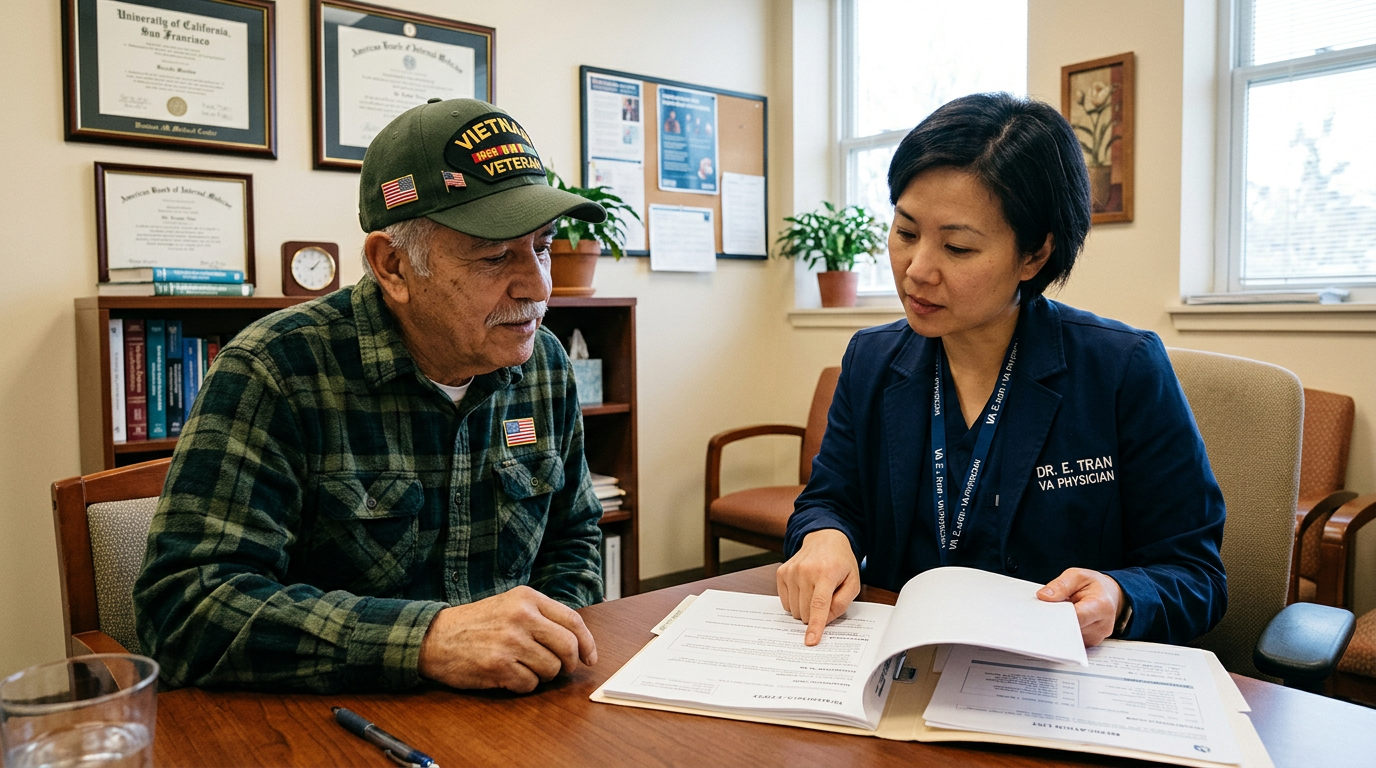
Preparing for Your C&P Exam
What a Compensation & Pension exam is, and how to walk in ready
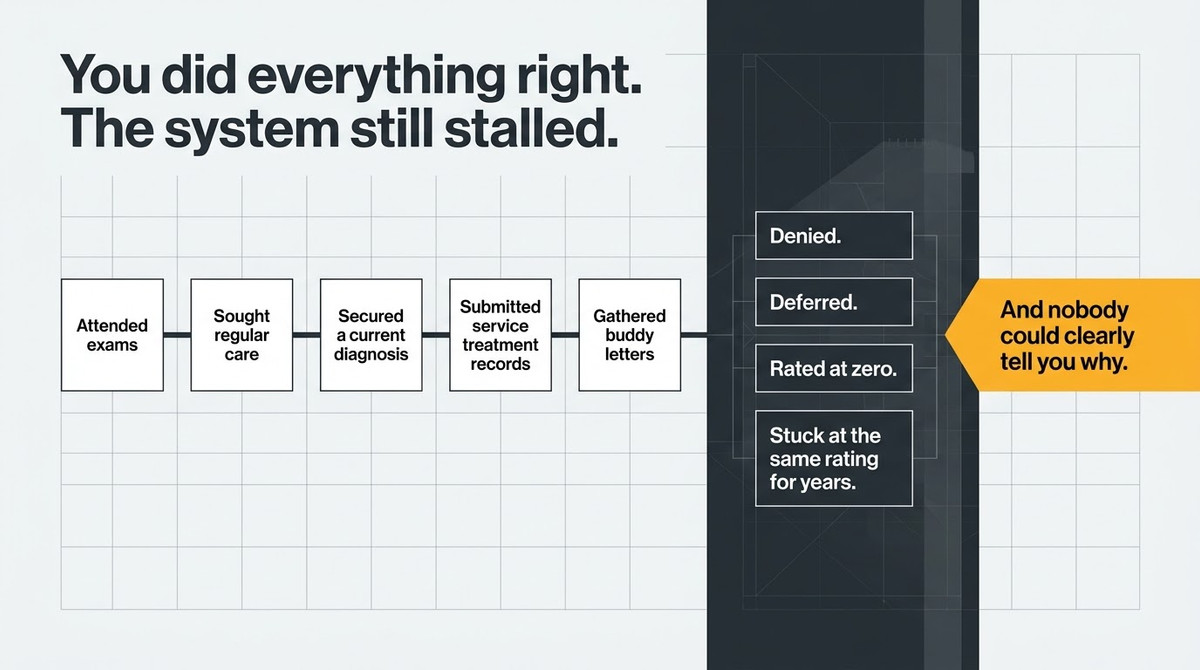
The C&P exam is often the single most important event in your claim. A rushed or inadequate exam can sink an otherwise strong case, preparation is everything.
Why the Exam Decides So Much
The Compensation & Pension examination is where a VA-contracted examiner measures your condition, determines its current severity, and often renders a nexus opinion. For range-of-motion conditions, mental health claims, and many others, the rating percentage is built directly from what happens in that room.
An inadequate exam is a leading cause of wrongful denials and under-ratings. The examiner may spend as little as 10 to 20 minutes with you, sometimes less. In that narrow window, the record for your claim is being written. Preparation is not optional.

Before the Exam, Prepare Like a Mission Brief

Know Your Claim
Understand exactly which conditions are being examined and what rating criteria apply. If you are claiming a knee condition, know that the examiner should test range of motion, stability, and functional loss during flare-ups.

Keep a Symptom Log
Document your symptoms for the weeks leading up to the exam: pain levels, flare-up frequency, limitations at work and home. Bring it with you as a reference. This ensures you do not forget critical details under pressure.

Review Your Medical Records
Know what is in your records. If there are errors or gaps, be prepared to address them during the exam. The examiner has your file, and so should you.
Know Your Worst Days
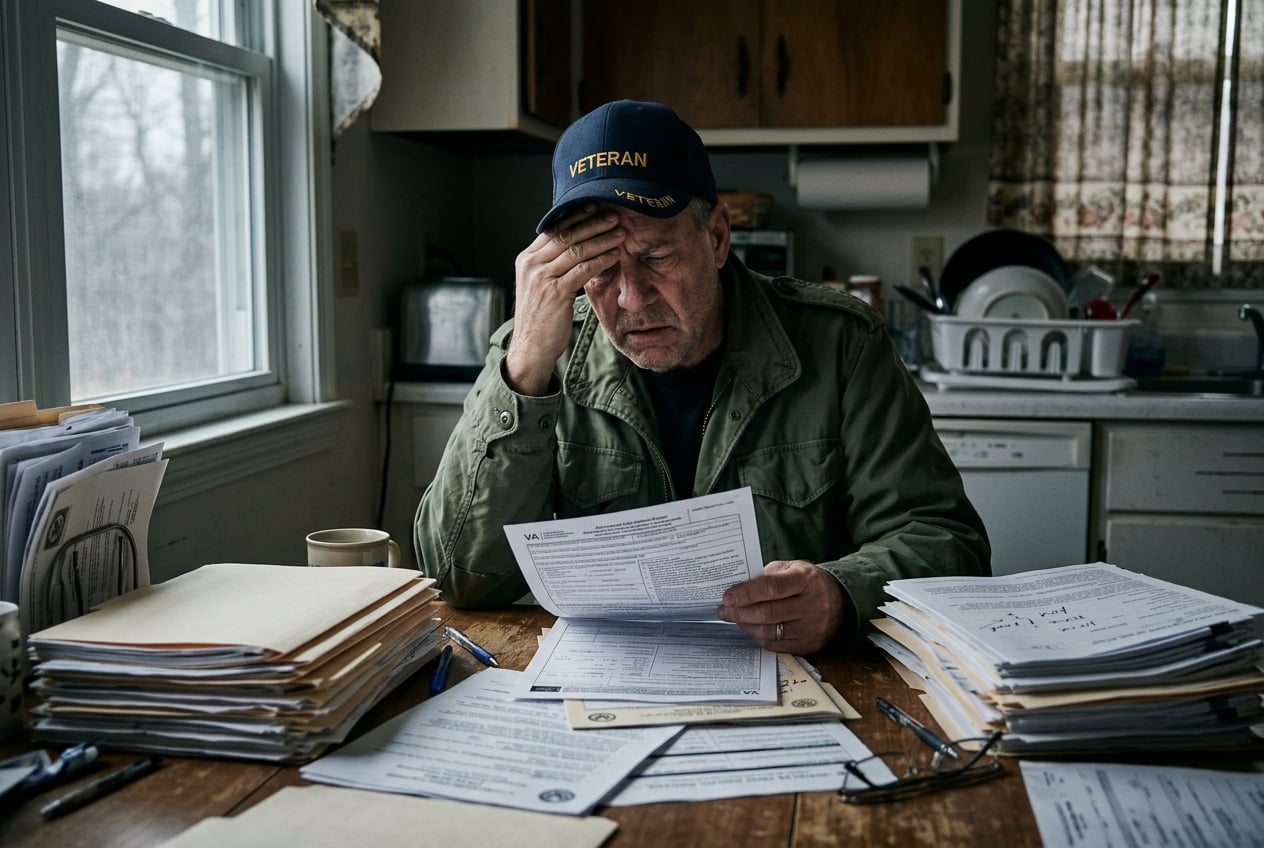
The VA rates your average functional impairment, not your best day. Be prepared to describe your worst days in detail, how bad the pain gets during flare-ups, how long they last, and what you cannot do during them.
During the Exam, What Matters
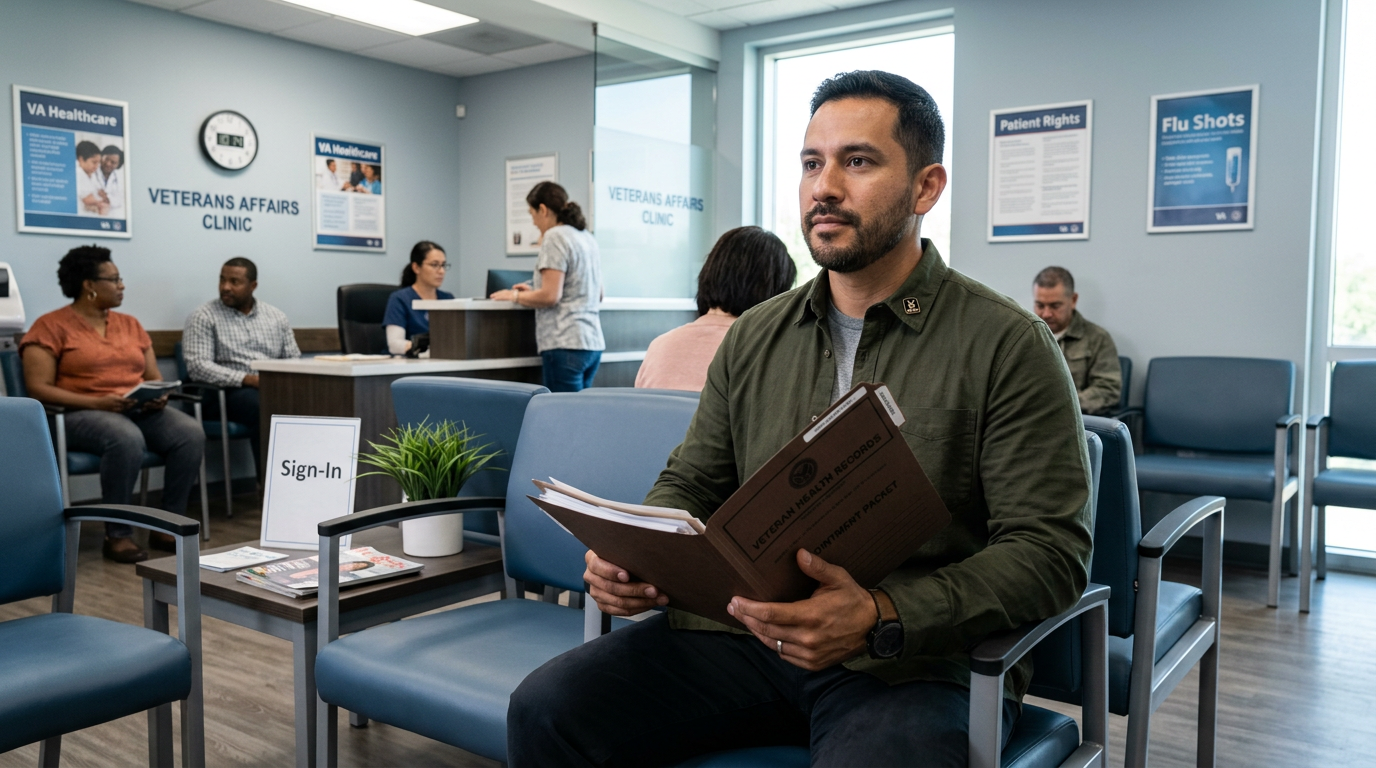
Describe your worst days and flare-ups, not just the moment, the examiner will ask about "today" but needs your full picture

Do not downplay pain, pushing through it silently results in a range-of-motion measurement that does not reflect your actual limitation

Report functional loss, what tasks you can no longer do, how the condition affects work and daily activities

Be honest, exaggeration is as damaging as minimizing, and a skilled examiner will document inconsistencies
Do not volunteer irrelevant information, answer the questions asked, thoroughly and accurately

Note the duration, if the exam feels rushed (under 15 minutes for a complex condition), document that fact immediately after
When an Exam Is Legally Inadequate
Under §4.2, examination reports must be "adequate for evaluation purposes." An exam is inadequate when the examiner:

Failed to address flare-ups or estimate additional functional loss during them (Sharp v. Shulkin, 2017)

Did not test repetitive use or note the effect on range of motion (DeLuca v. Brown, 1995)

Used the wrong Disability Benefits Questionnaire (DBQ) for the claimed condition

Provided a nexus opinion without reviewing the claims file or service records

Gave a bare conclusion, "not related", without medical reasoning or discussion of the record

Spent inadequate time, a 5-minute exam for a multi-condition claim cannot be thorough
After the Exam, Protect the Record
Immediately after leaving, write down everything you remember about the exam: what the examiner tested, what they did not test, how long it lasted, and anything that felt rushed or incomplete. If you believe the exam was inadequate, this contemporaneous note becomes evidence to challenge the results.
Under §3.327, the VA can order a new examination if the previous one is found inadequate. We routinely identify inadequate exams as the lever to reverse a denial or under-rating.

The Advocate's Take
Treat the C&P like the most important 30 minutes of your claim, because it usually is. And if the exam was botched, that is our opening, not your loss, an inadequate exam is grounds for a new one under our terms.
Building a Preparing for Your C&P Exam Claim That Wins
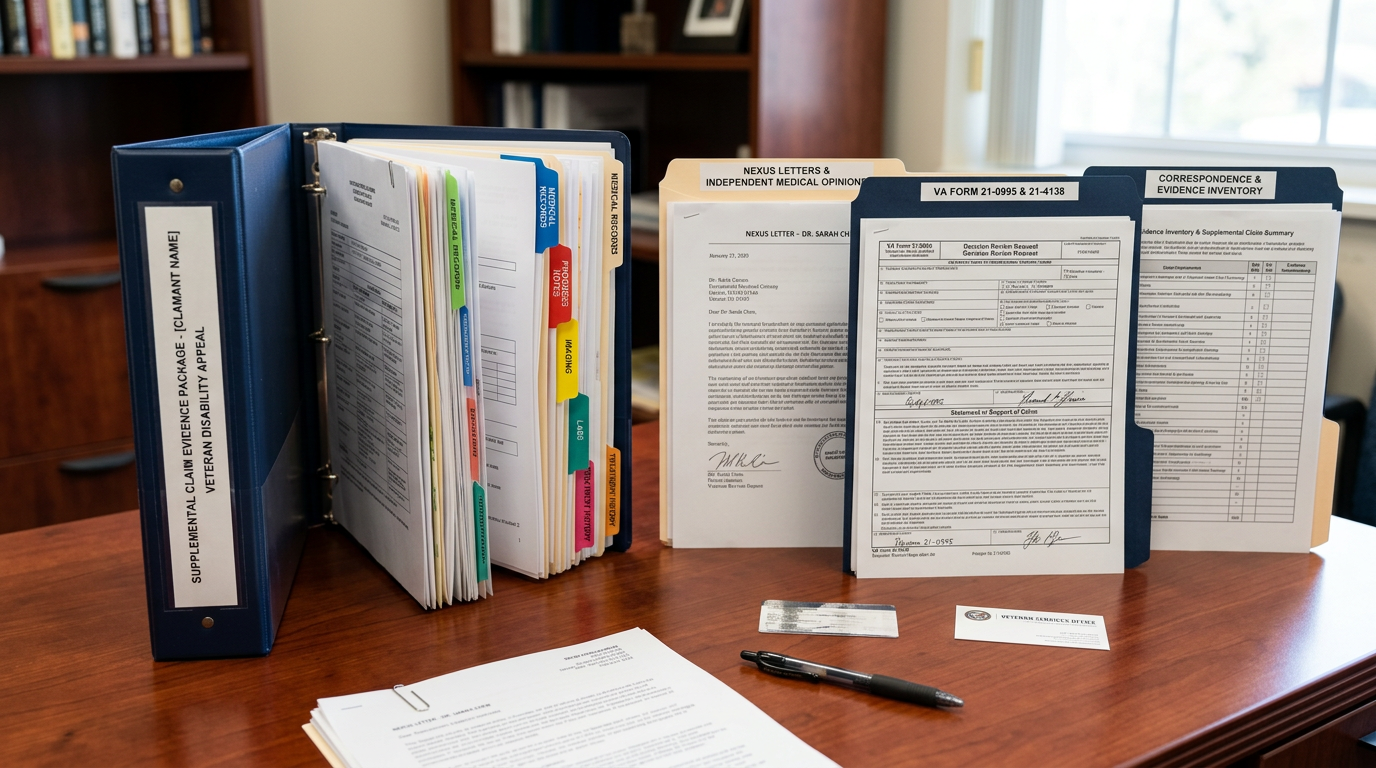
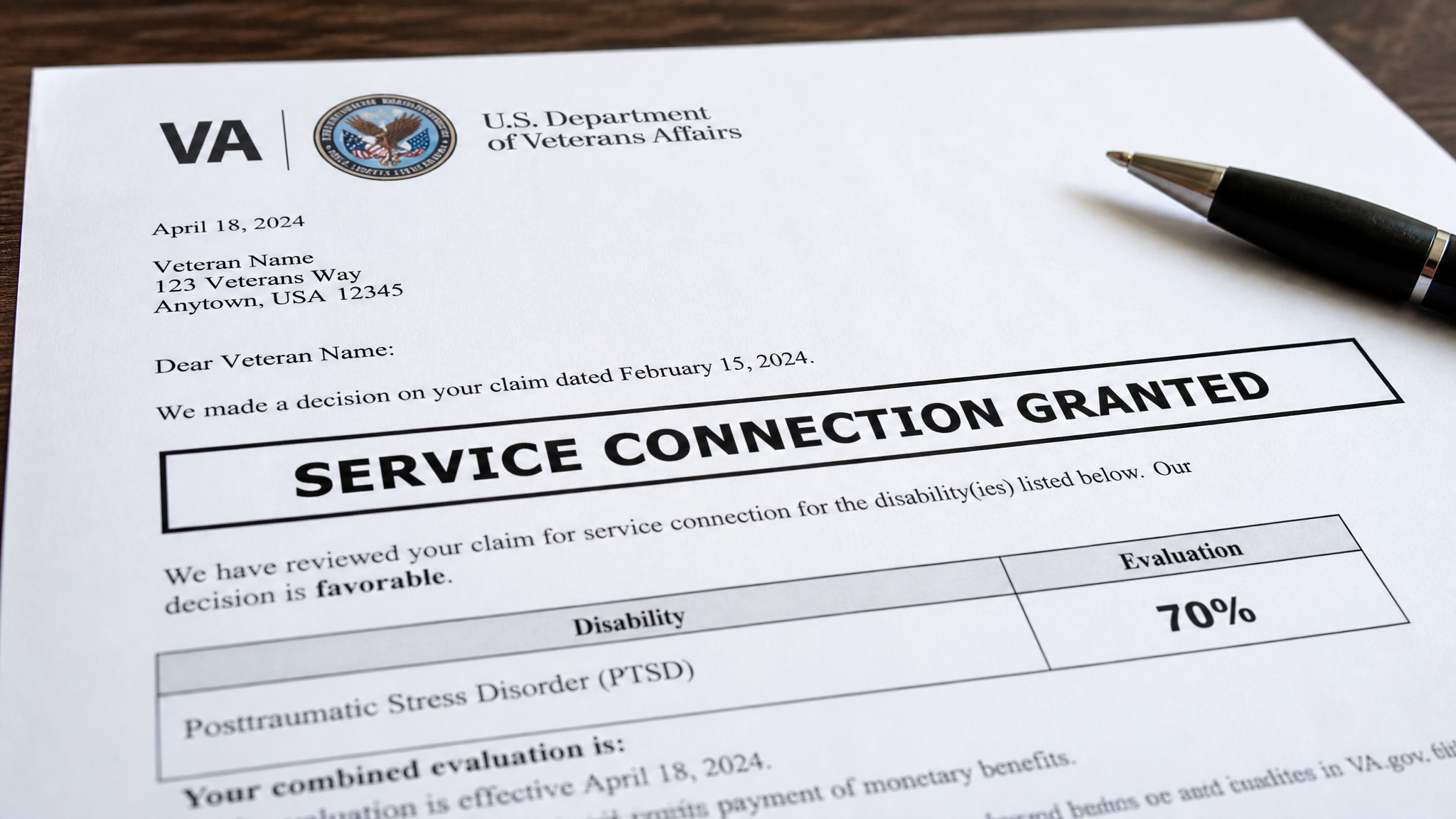
Every claim stands on three legs. Knock one out and the claim falls over, no matter how bad your symptoms are. Before you file, look at your file and find all three. If one is missing, that is the piece to build first. The VA will not build it for you, and filing without it usually just buys you a denial letter and lost time.
 01
01A current diagnosis
A doctor has to say you have it, now, in writing. Not "reports symptoms of", a diagnosis. Without this leg, nothing else in the file matters.
 02
02A link to your service
An event, an injury, an exposure, or an already service-connected condition. Service records, unit records, buddy statements, and your own account all count as evidence.
 03
03A nexus that ties the two together
A medical opinion stating it is at least as likely as not that your service caused or aggravated the condition. That phrase is a legal standard: 50 percent or better. It is the leg most denials break.
Document the problem before you file
• Keep a dated symptom log for at least 30 days. Frequency, severity, and what it stopped you from doing.
• Get statements from people who see it, a spouse, a coworker, a battle buddy. Lay evidence is legal evidence.
• Pull your private treatment records. The VA only has to help; it does not have to go find everything.
• Write down what you have stopped doing. Lost work, lost sleep, lost activities. That is what impairment looks like on paper.
Your Rights in This Process
Most veterans walk into this system without knowing the rules the VA itself has to follow. That is how claims get denied for missing evidence the VA was supposed to help you find, and how exams get done by the wrong clinician. These six rights are written into federal regulation. Know them before you file, and make the VA honor every one of them when it decides your claim.

It costs nothing to file
Filing a VA claim is free. Accredited representatives may only charge for work on an appeal after an initial decision, and those fees are capped by 38 CFR §14.636.

The VA has a Duty to Assist you
Under 38 CFR §3.159 the VA must help you get the evidence it needs, and it must tell you what is missing before it denies you for missing it.

You can ask for a different examiner
You may request a trauma-informed clinician, or a clinician of a specific gender, for a C&P examination. Ask before the exam is scheduled.

You can claim every condition you have
There is no limit and no penalty. Primary conditions, secondary conditions, and conditions made worse by service all get filed.

You can appeal and be re-evaluated
A denial is not the end. You may submit new evidence, request a higher-level review, appeal to the Board, and ask for re-evaluation when your condition worsens.

You must be considered for TDIU
If your service-connected conditions keep you from holding substantially gainful employment, you may be paid at the 100 percent rate without a 100 percent rating.
When You Are Ready to File
Talk to an accredited representative before you file. It costs nothing to ask, and the order you file in changes what the VA is allowed to award you. Albert L. Thombs Jr. is VA-Accredited Claims Agent #45147. A short conversation now can save you a year spent waiting in the wrong review lane.
Your part starts at the kitchen table. Pull your DD-214, your rating decision if you have one, and the names of every doctor who treats you today. Under 38 CFR 3.159 the VA has to help you gather records, but it can only chase the records you tell it about. Leave a doctor off the 21-4142 and that treatment may never reach your file.

The application itself
This is the form that opens a disability compensation claim. List every condition you are claiming, and name the secondary conditions explicitly.
Release for private records
Authorises the VA to request records from your private doctors. Without it, treatment outside the VA may never reach your file.
Lay or buddy statement
The official form for your own statement and for statements from people who witnessed the event or the change in you.