
Advice from the Advocate
The Persistent, Patient Veteran Wins
The single biggest predictor of a successful claim is a veteran who stays in the fight
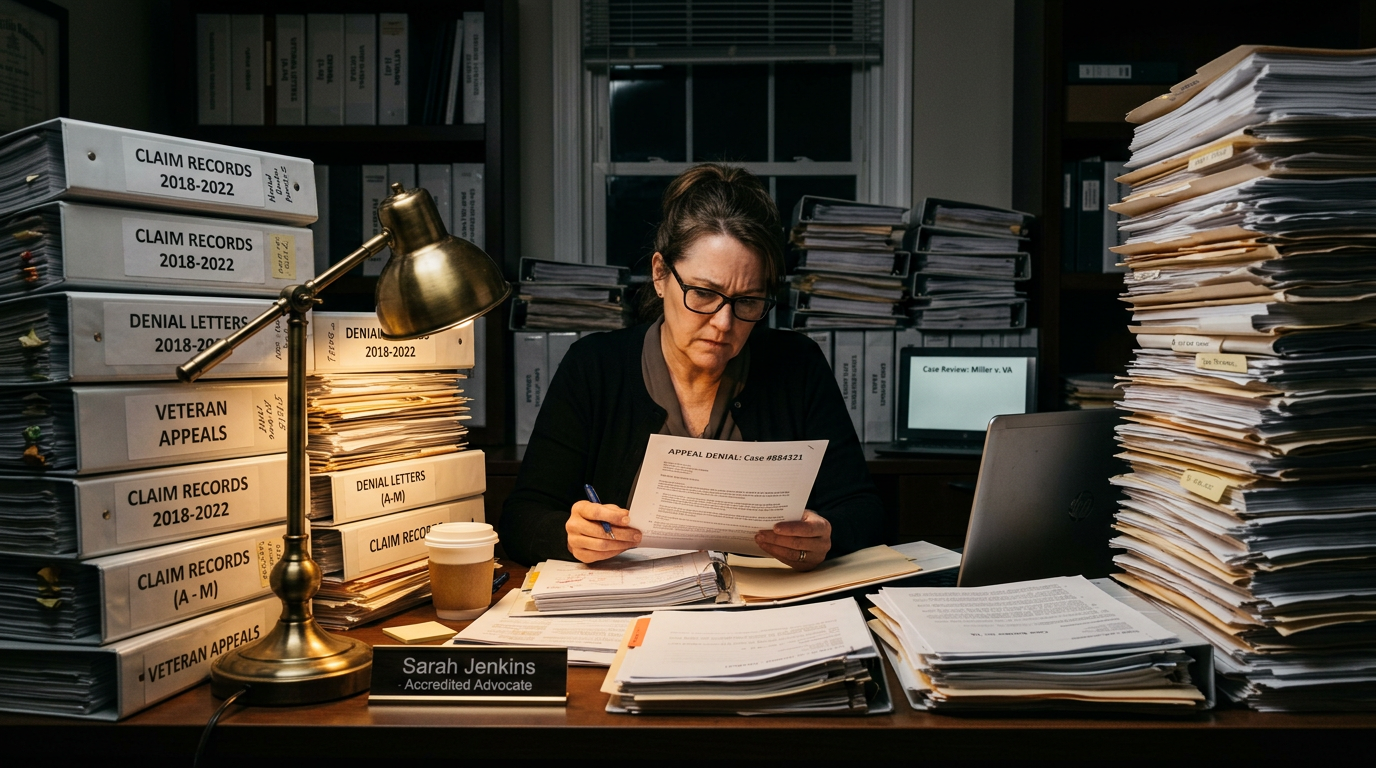
The VA system is slow, adversarial, and built to wear you down. The veterans who win treat the claim like a long campaign, persistent on the details, patient with the timeline, and relentless about follow-through.
This Is a Campaign, Not a Firefight
A VA claim is not won in a single decisive moment. It is won over months, sometimes years, of disciplined effort: filing correctly, keeping appointments, answering every letter, and refusing to quit when the first denial lands. The veterans who succeed understand this is a campaign with phases, not a one-time submission.
The system is designed for attrition. Processing times, bureaucratic complexity, and the adversarial posture of the rating process are not bugs, they are features that weed out claimants who give up. The veteran who outlasts the system is the one who wins.

Persistence Beats the Deny-and-Delay Playbook
The VA's most effective weapon is not the denial letter, it is the delay that precedes it and the silence that follows it. The system counts on you missing a deadline, skipping a C&P exam, or giving up after a denial. Every one of those is a win for the VA's budget and a loss for you.
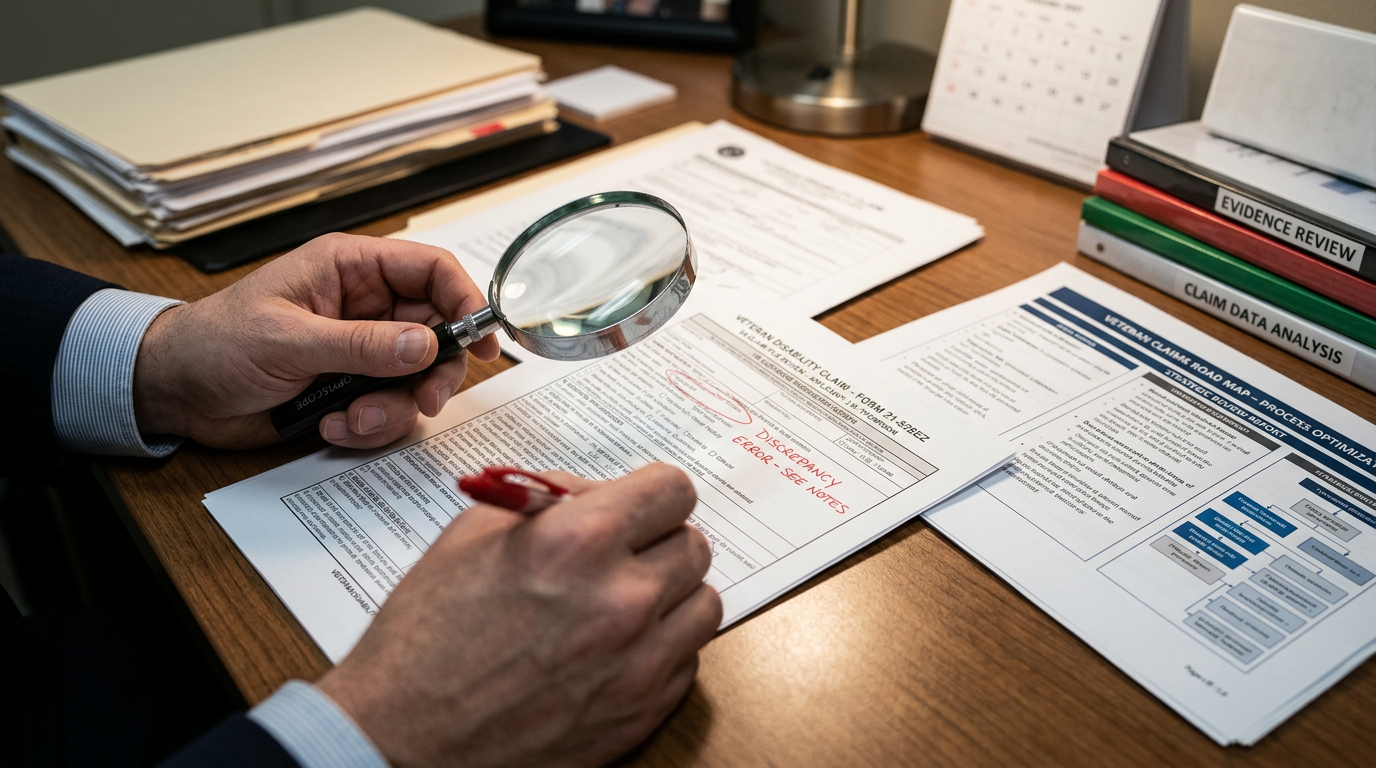
Under §3.158, if you fail to respond to a VA request within one year, your claim is abandoned. Under §3.655, missing a C&P exam without good cause can result in denial. These regulations are not obscure, they are the mechanisms that process attrition into denied claims. Persistence, showing up for every step, takes the VA's most reliable weapon off the table.

What Patient Persistence Looks Like

Treat Every Letter as a Deadline
You treat every VA letter as a deadline, not a suggestion

Keep Continuous Medical Care
You keep continuous medical care on the record, not a one-time visit, §3.303(a) rewards continuity

Update Your Statements
You update your statements to describe your condition today, not five years ago

Stay With One Strategy
You stay with one coherent strategy instead of restarting with a new rep every few months

Let the Appeal Timeline Play Out
You let the appeal timeline play out instead of abandoning back pay because it is taking too long

Attend Every C&P Exam
You attend every C&P exam, on time, prepared, and ready to describe your worst days

Keep Copies of Everything
You keep copies of everything you submit and receive, building your own shadow file
The Math of Persistence
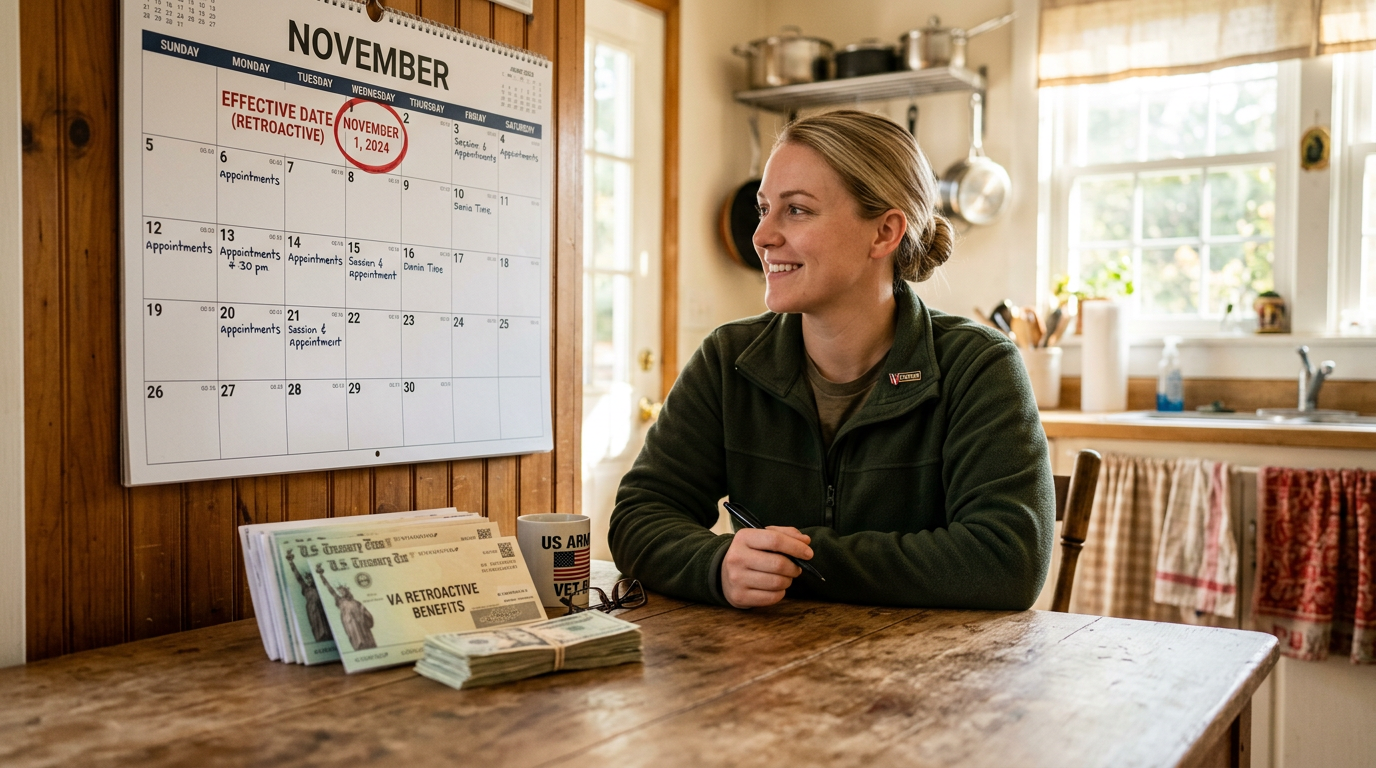
Consider: a veteran denied at the initial claim level who files a Supplemental Claim with a strong nexus letter and is granted at 70% collects back pay from their original effective date. If that date was protected by an intent to file submitted 18 months earlier, the back pay alone can exceed what many veterans earn in a year. Walking away after the denial would have forfeited every dollar of it.
The Advocate's Take
The veteran who stays patient and persistent is the veteran I can win for. Give me a fighter who shows up for their own claim, and we will take ground the VA never wanted to give.
Building a The Persistent, Patient Veteran Wins Claim That Wins
Every claim stands on three legs. Knock one out and the claim falls over, no matter how bad your symptoms are. Before you file, look at your file and find all three. If one is missing, that is the piece to build first. The VA will not build it for you, and filing without it usually just buys you a denial letter and lost time.
 01
01A current diagnosis
A doctor has to say you have it, now, in writing. Not "reports symptoms of", a diagnosis. Without this leg, nothing else in the file matters.
 02
02A link to your service
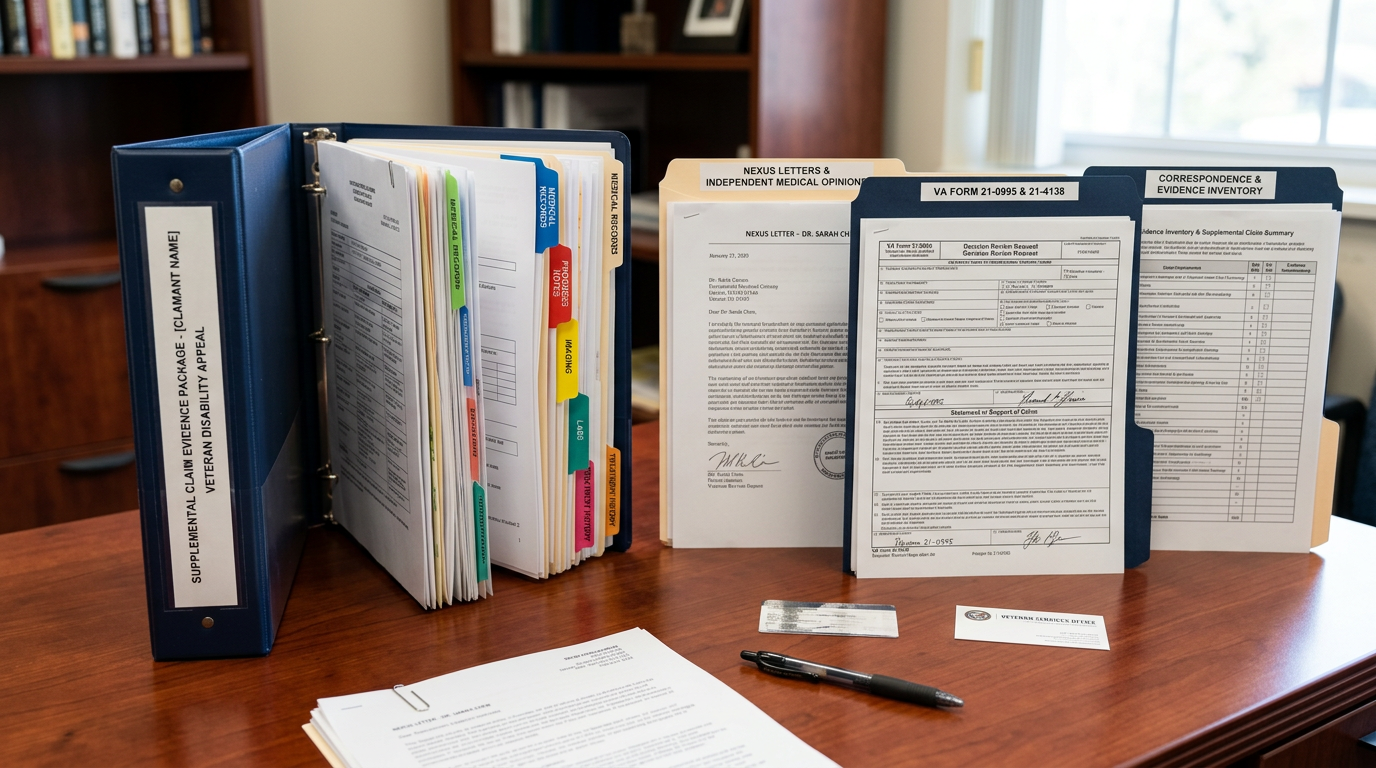
An event, an injury, an exposure, or an already service-connected condition. Service records, unit records, buddy statements, and your own account all count as evidence.
 03
03A nexus that ties the two together
A medical opinion stating it is at least as likely as not that your service caused or aggravated the condition. That phrase is a legal standard: 50 percent or better. It is the leg most denials break.
Document the problem before you file
• Keep a dated symptom log for at least 30 days. Frequency, severity, and what it stopped you from doing.
• Get statements from people who see it, a spouse, a coworker, a battle buddy. Lay evidence is legal evidence.
• Pull your private treatment records. The VA only has to help; it does not have to go find everything.
• Write down what you have stopped doing. Lost work, lost sleep, lost activities. That is what impairment looks like on paper.
Your Rights in This Process
Most veterans walk into this system without knowing the rules the VA itself has to follow. That is how claims get denied for missing evidence the VA was supposed to help you find, and how exams get done by the wrong clinician. These six rights are written into federal regulation. Know them before you file, and make the VA honor every one of them when it decides your claim.

It costs nothing to file
Filing a VA claim is free. Accredited representatives may only charge for work on an appeal after an initial decision, and those fees are capped by 38 CFR §14.636.

The VA has a Duty to Assist you
Under 38 CFR §3.159 the VA must help you get the evidence it needs, and it must tell you what is missing before it denies you for missing it.

You can ask for a different examiner
You may request a trauma-informed clinician, or a clinician of a specific gender, for a C&P examination. Ask before the exam is scheduled.

You can claim every condition you have
There is no limit and no penalty. Primary conditions, secondary conditions, and conditions made worse by service all get filed.

You can appeal and be re-evaluated
A denial is not the end. You may submit new evidence, request a higher-level review, appeal to the Board, and ask for re-evaluation when your condition worsens.

You must be considered for TDIU
If your service-connected conditions keep you from holding substantially gainful employment, you may be paid at the 100 percent rate without a 100 percent rating.
When You Are Ready to File
Talk to an accredited representative before you file. It costs nothing to ask, and the order you file in changes what the VA is allowed to award you. Albert L. Thombs Jr. is VA-Accredited Claims Agent #45147. A short conversation now can save you a year spent waiting in the wrong review lane.
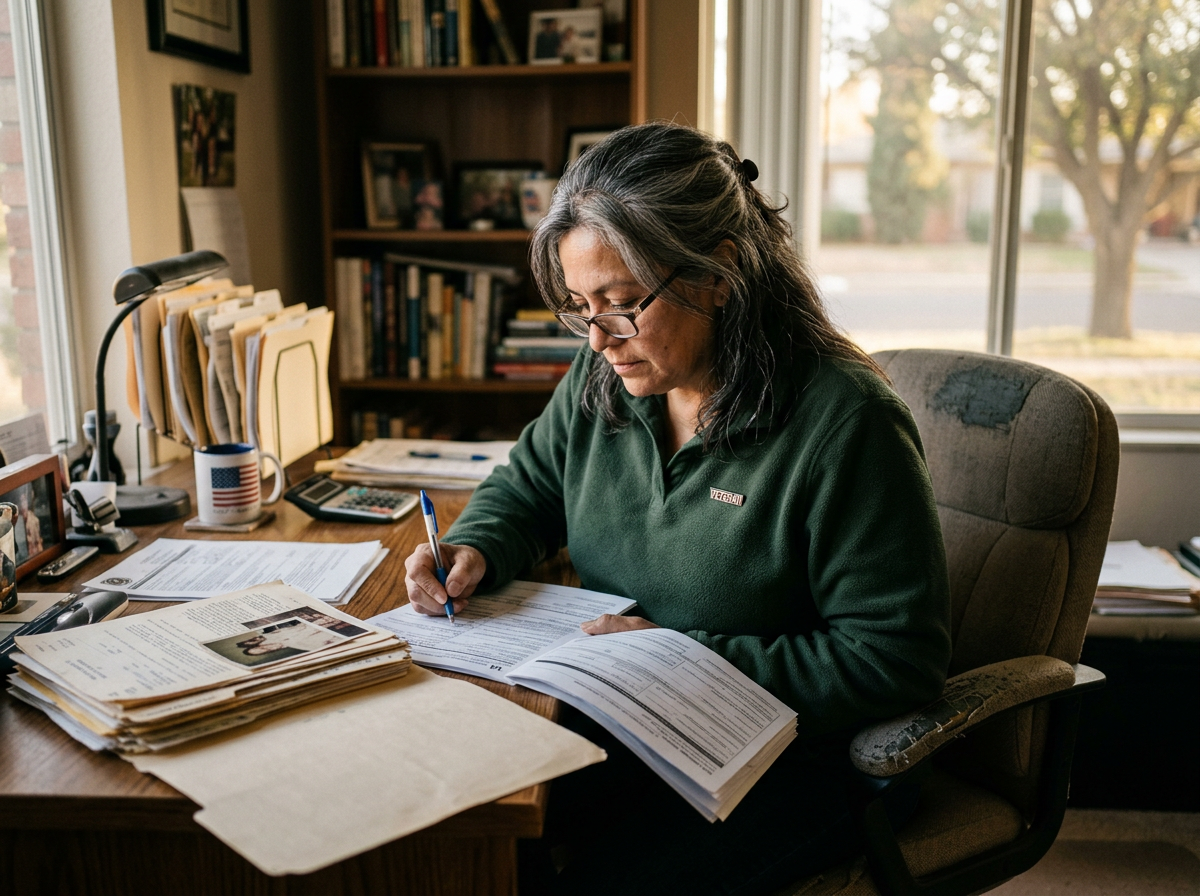
Your part starts at the kitchen table. Pull your DD-214, your rating decision if you have one, and the names of every doctor who treats you today. Under 38 CFR 3.159 the VA has to help you gather records, but it can only chase the records you tell it about. Leave a doctor off the 21-4142 and that treatment may never reach your file.
The application itself
This is the form that opens a disability compensation claim. List every condition you are claiming, and name the secondary conditions explicitly.
Release for private records
Authorises the VA to request records from your private doctors. Without it, treatment outside the VA may never reach your file.
Lay or buddy statement
The official form for your own statement and for statements from people who witnessed the event or the change in you.
Keep Reading
One page never tells the whole story of a claim. The VA rates every condition on its own evidence, its own exam and its own diagnostic code, and the pieces connect in ways most veterans never see until a decision letter lands. These are the pages that pick up where this one stops. Read them before you file, not after a denial, because the cheapest fix in this process is the mistake you never make.

Myths About VA Disability
Bad information costs veterans real money. These are the myths we hear most, and the regulation that disproves each one.
Read more
Advice From the Advocate
Straight talk from an accredited agent and disabled veteran who has seen every way a claim can be won or lost.
Read more
The 5, 10, 20 & 55 Year Rules
The VA can reduce ratings, but a set of protection rules limits that power based on how long you have held a rating and your age. Know your milestones.
Read more
AI & Your VA Claim
The VA is increasingly using automation to process claims. Understanding what a machine can and cannot decide protects you from a system optimized for speed, not accuracy.
Read more