
Do You Qualify?
We are selective on purpose, because focus is what wins cases. Three myths stop more veterans than any rule does: that a bad discharge closes every door, that a condition must appear in your service records, and that an old denial is final forever. None of them is true.
I do not take every case, and I will tell you why if I pass on yours. We focus on denied and under-rated claims where the file can meet the legal standard for service connection and a higher rating. That focus is what lets us put real time into each case. Read the standards below, compare them to your own records, and you will know before you call whether we are a fit.
Who We Represent
Our representation is built for veterans in a specific situation: the VA has already told you no, or given you less than you earned, and you are ready to fight back. That focus is deliberate. Appeals and rating fights are where an accredited agent makes the biggest difference, and where the regulations permit us to work on contingency under 38 CFR §14.636.
We do not take every case. We take cases we can win. That selectivity is what allows us to fight each one at the depth it requires, forensic file analysis, regulatory citation of every error, precision evidence packages, and relentless follow-through after each VA decision.
You Likely Qualify If…
Most veterans who reach out to us fit the profile below. Read each point and be honest with yourself about where you stand today. If most of them describe you, we should talk. If one does not, that is not always a dead end, it is simply the first thing we work through together.
This includes denials for lack of nexus, service connection, or an inadequate C&P exam, as well as ratings that do not reflect the true functional impact of your condition.
Under 38 CFR §3.12, veterans with an honorable discharge or a general discharge under honorable conditions are eligible for VA benefits. Other-than-honorable (OTH) discharges may still qualify through a Character of Discharge determination, ask us.
If you have a signed VA Form 21-22 or 21-22a with another VSO, attorney, or agent, that appointment must be revoked before we can represent you. We can walk you through the process.
Current treatment records are the ammunition. The VA cannot rate what is not documented. Consistent treatment shows both the existence and severity of your condition.
We do the forensic work, the legal arguments, and the filing. But we need you to attend your medical appointments, provide requested information, and show up for scheduled C&P exams.

Understanding Discharge Types
Your character of discharge determines your basic eligibility for VA benefits under 38 CFR §3.12. Pull out your DD-214 and look at the character of service block before you read further. Here is what each type means for your claim:
Full eligibility for all VA benefits. This is the standard most veterans receive.
Eligible for most VA benefits, including disability compensation. You qualify for our representation.
Not automatically eligible, but the VA can make a “Character of Discharge” determination on a case-by-case basis. If you have an OTH discharge, contact us anyway, there may be a path forward, especially for service-connected conditions.
Generally bars VA benefits under 38 CFR §3.12(d). Exceptions exist for insanity at the time of the offense. If this applies to you, an attorney may be the better path.
Less-Than-Honorable? You May Still Qualify for Chapter 17 Health Care
Here is the part most veterans are never told. If you have an Other-Than-Honorable (OTH) discharge, you may not qualify for a monthly compensation check right now, but that does not mean the VA door is closed. Under Chapter 17 of Title 38 (38 U.S.C. §1710 and 38 CFR §3.360), the VA can provide health care and treatment for a disability that was incurred or aggravated in the line of duty, even with a bad-paper discharge.
Chapter 17 is treatment only, it pays for care, not a monthly monetary benefit. But it gets you in the system, gets your conditions documented by VA doctors, and builds the exact medical record you will need if you later upgrade your discharge. Think of it as a foot in the door.

What Chapter 17 Actually Covers
VA medical care and treatment for any condition incurred or aggravated in the line of duty during a qualifying period of service, exams, mental health care, medication, and hospital treatment. It is care, not cash.

The Character-of-Discharge Determination
To unlock Chapter 17, the VA makes an administrative Character-of-Discharge (COD) decision under §3.360. If it finds the service was not dishonorable, treatment can be authorized for line-of-duty conditions. This is decided separately from any compensation claim.
The Statutory Bars That Still Block It
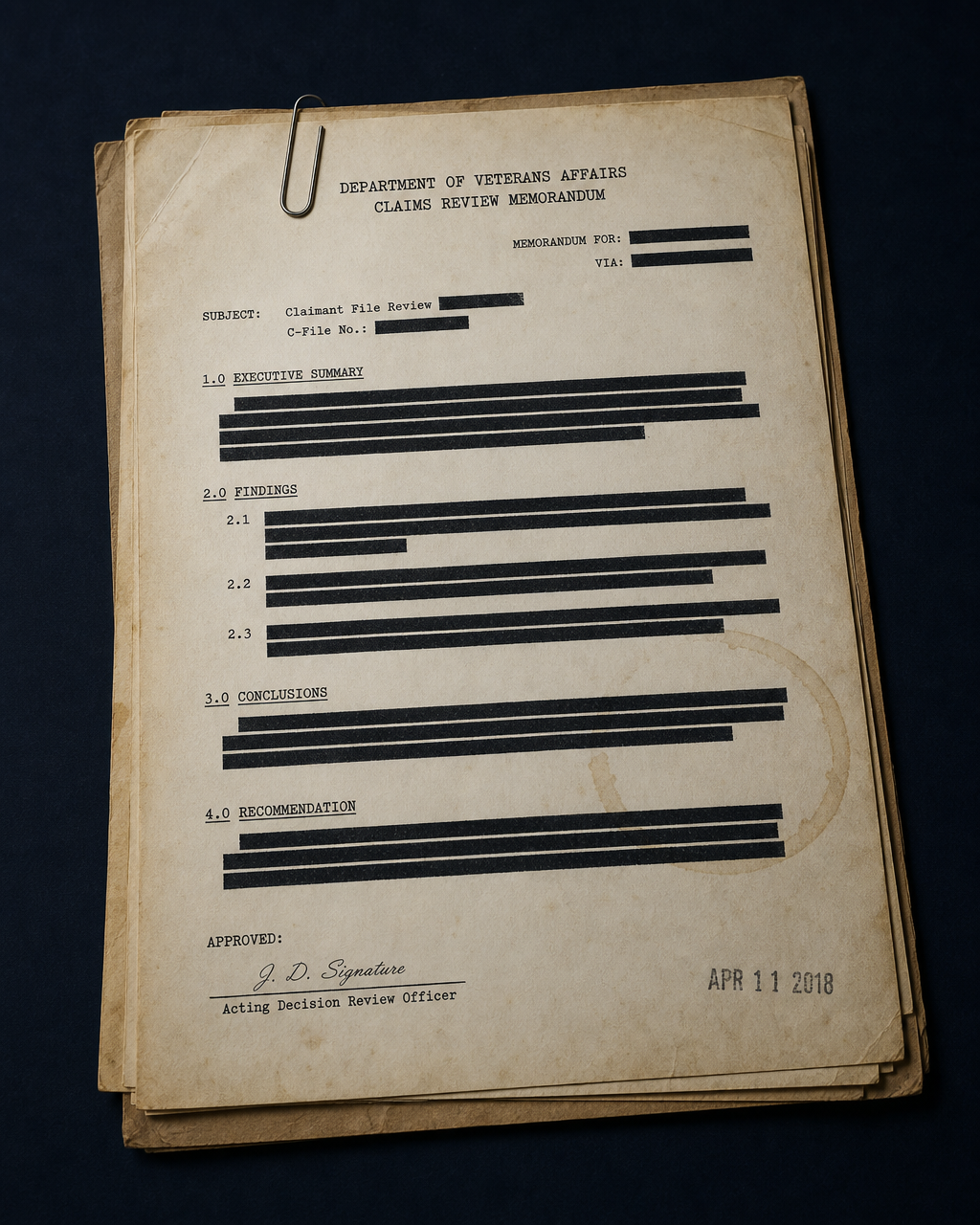
A few conditions under §3.12(c) bar even Chapter 17, discharge by general court-martial, desertion, conscientious objection with refusal to serve, or AWOL for more than 180 continuous days. If none of these apply to you, Chapter 17 is very much on the table.

Special Rule for Mental Health
The VA can provide Chapter 17 mental health care for conditions like PTSD, even before a full COD determination, when the condition is tied to service. If invisible wounds contributed to your discharge, tell us, this is often the fastest path to care.
How to Request a Discharge Upgrade, A Do-It-Yourself Guide
You do not need a lawyer to ask for a discharge upgrade, and you do not need our permission. Below is the full process, spelled out, so you can do it yourself. If your discharge is upgraded, you can go from Chapter 17 treatment-only all the way to full monthly compensation (more on that below).
The first thing to nail down is which board hears your case and which form you file. There are two, and picking the right one matters.

DD Form 293, Discharge Review Board (DRB)
Use this if your discharge was within the last 15 years and did NOT come from a general court-martial. File DD Form 293 with your branch's Discharge Review Board. The DRB reviews the characterization of your discharge under 10 U.S.C. §1553. Download DD 293 free from the official DoD forms site (esd.whs.mil).
DD Form 149, Correction of Military Records (BCMR/BCNR)
Use this if your discharge is OLDER than 15 years, if the DRB already denied you, or if your case involves medical, PTSD, TBI, or MST issues. File DD Form 149 with your branch's Board for Correction of Military Records under 10 U.S.C. §1552. It has no strict 15-year limit and can also correct pay and records.
The Step-by-Step Process
Gather Your Records
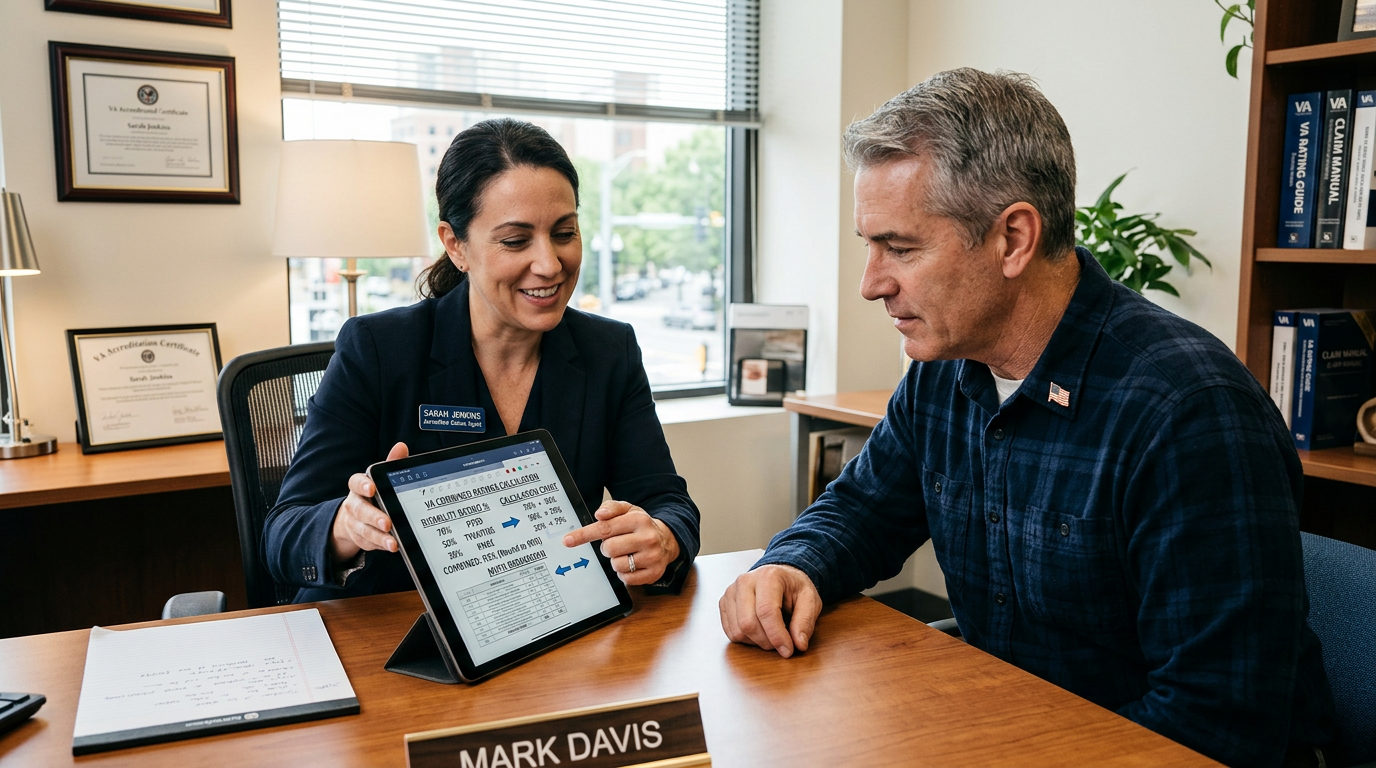
Pull your DD-214 and your full military personnel and medical file. If you do not have them, request them free using Standard Form 180 (SF-180) or through the National Archives (archives.gov/veterans). Also gather any VA rating decisions and civilian medical records, these matter.
Choose and Download the Right Form
Within 15 years and no general court-martial, use DD Form 293. Older than 15 years, previously denied, or a medical/PTSD/MST case, use DD Form 149. Download the current version free from esd.whs.mil/Directives/forms. Do not pay any website for these forms.
Fill Out the Form Carefully
Enter your identifying and service information exactly as it appears on your DD-214. In the section that asks what change you want, state plainly: you are requesting an upgrade of your discharge characterization (for example, from Other-Than-Honorable to Honorable or General). Sign and date it. Attach continuation pages if you need more room.
Write Your Personal Statement and Cite the Memos
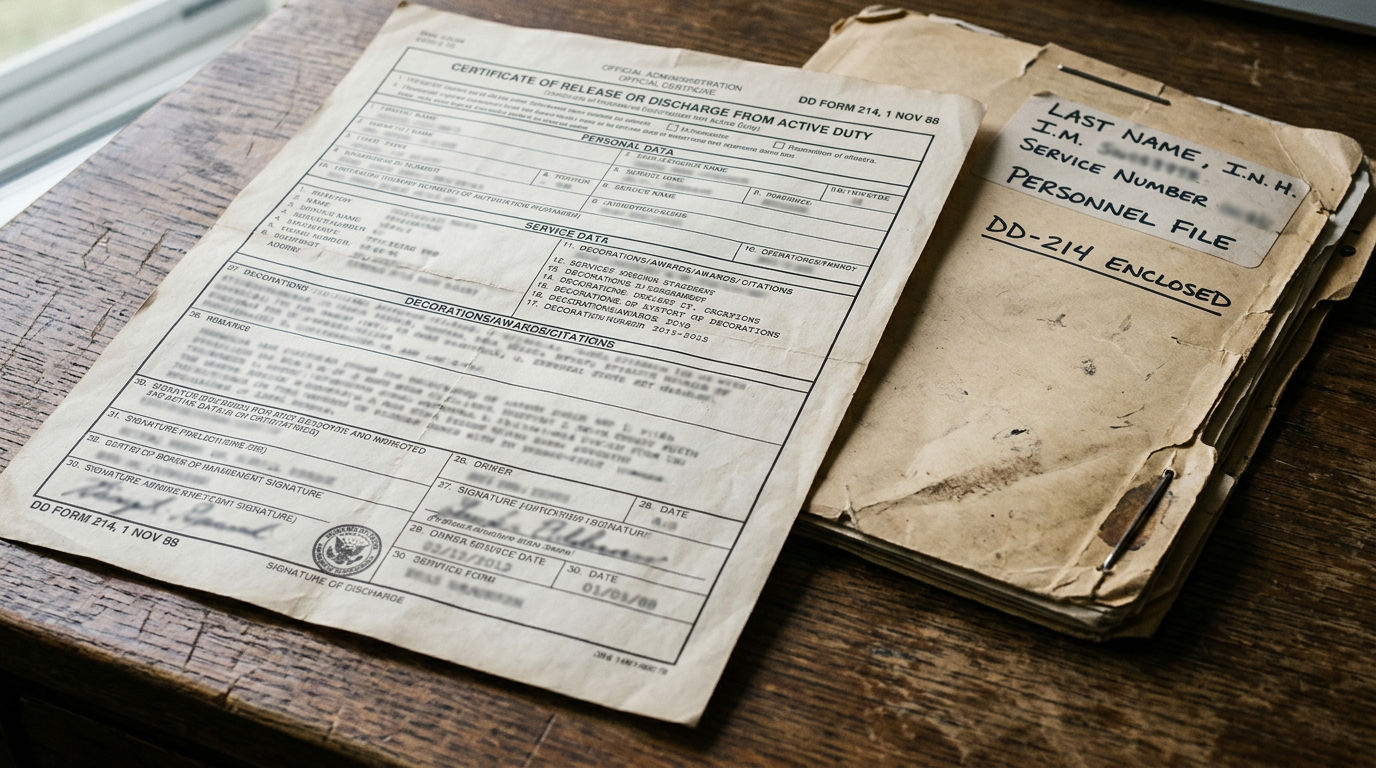
This is the heart of your application. Tell your story: what happened, and if a service-connected condition (PTSD, TBI, MST, depression) contributed to the misconduct, say so directly. Explicitly ask the board to apply liberal consideration under the Hagel (2014), Kurta (2017), and Wilkie (2018) memos, which direct boards to give mental-health-related cases a thumb on the scale.
Attach Your Supporting Evidence
Include medical evaluations, VA disability ratings, buddy statements, character references, and proof of post-service rehabilitation (work, school, treatment, community service). Under Kurta, boards must consider civilian medical evidence, even if you were never diagnosed while in service.
Mail It to the Correct Board and Track It
Send the completed form and evidence to your specific branch's review board, the mailing address is printed right on DD Form 293 and DD Form 149, and listed on the Army (arba.army.pentagon.mil), Navy/Marine Corps (BCNR), Air Force, and Coast Guard board websites. Keep a full copy. The DRB is generally faster; the BCMR typically takes 12 to 18 months. If you are denied, you can often reapply with new evidence.
The Quick Win: From Chapter 17 Treatment to a Full Monthly Check
Let us spell this out plainly, because it is the whole point. Say you are a veteran with an OTH discharge and you are currently getting Chapter 17 treatment only, care, but no monthly money. If you file for a discharge upgrade and the board grants it, your character of discharge changes to Honorable or General.
Once that happens, the statutory bar is gone. You can then file a supplemental claim with the VA (with your upgrade paperwork attached), and the same service-connected conditions the VA has already been treating you for under Chapter 17 can now be rated for full monthly monetary compensation, the actual disability check, plus every other benefit an eligible veteran receives. The medical record built during your treatment-only years becomes the evidence that proves your claim.
In other words: treatment now, and a real possibility of the full monthly amount later. That is why we tell every OTH veteran, do not walk away. There may be doors in that wall, and we will help you find them.
Where We May Not Be the Right Fit
Federal regulation prohibits us from charging a fee for initial claims. We cannot represent you on contingency until the VA has issued at least one decision. However, the flat-fee Mission 5 Intelligence Brief can give you a forensic analysis of your file before you file.
You cannot have two representatives at the same time. If you want to switch to us, we can guide you through the revocation process using VA Form 21-22a.
Evidence wins claims. If you are not in active treatment and not willing to provide the documentation we identify as necessary, we cannot build the case.
An accredited claims agent has authority up through the Board of Veterans' Appeals. The Court of Appeals for Veterans Claims has its own admission rules, separate from VA accreditation. If your case needs to go to court, we will tell you plainly and make sure you are connected to the right representation.

What “Active Medical Treatment” Means
This is not a technicality, it is the foundation of your claim. Current medical records are the single most important category of evidence in any VA disability claim. Keeping that treatment going is your part of the work, and no representative can do it for you. Here is what “active treatment” looks like:
The VA rates what is documented, not what you feel. If your condition has worsened but your records do not reflect it, the C&P examiner has nothing to measure against. We identify evidence gaps and tell you exactly what documentation to build before we file.

What Happens After You Contact Us
Here is the intake process from first contact to representation. Nothing on this list happens until you start it, and each step moves only as fast as you send what we ask for. Have your DD-214, your latest rating decision or denial letter, and a list of your current conditions within reach before you call, and we can get through the first steps in a single conversation instead of three.
Initial Contact
Day 1You submit your information through our intake form, call us at 702-992-4883, or email [email protected]. Alyssa, our New Client Coordinator, confirms receipt.
Accredited Review
Within 48 HoursAn accredited agent personally reviews your submission, your denial letter, service history, and current rating. This is not a sales call. We are looking at your file to determine whether we can actually help.
Honest Assessment
Day 2–3We contact you with a straight answer: what we see in your file, whether we believe we can improve your outcome, and which appeal lane fits your situation. If we are not the right fit, we tell you.
Formalization
Day 3–7If we move forward, you sign VA Form 21-22a (appointing us as your accredited representative) and the fee agreement. A copy is filed with the VA as required by 38 CFR §14.636.
Forensic Analysis Begins
Week 2+We pull your complete claims file and begin the structured evidence analysis, identifying every error, evidence gap, and strategic opportunity in your case.
Not Ready for Full Representation?
The Mission 5 Intelligence Brief ($750 flat fee) is available to any veteran, including those filing initial claims. It delivers a 7-section forensic file review in 7 days plus a 45-minute strategy call. You can use it yourself, take it to a VSO, or bring it back to us for full representation.
Learn About the M5 Brief →Not Sure? Ask Anyway.
An accredited agent personally reviews every request honestly. If we are not the right fit, we will tell you, and point you in the right direction. No sales pitch. No runaround.
Do You Qualify?, Common Questions
These are the questions veterans ask me before they decide whether they even have a claim. Too many talk themselves out of filing for the wrong reasons. The answers below cover the most common reasons veterans think they are out. Your part is to read them before you decide you do not qualify.
Who do you actually represent?
Do you help with brand-new initial claims?
I am already working with another representative. Can I switch to you?
What discharge status do I need to qualify?
I have an Other-Than-Honorable discharge. Can I still get any VA help?
Can I request a discharge upgrade myself, and what does it take?
If my discharge is upgraded, can I get the full monthly payment?
My claim was denied years ago. Is it too late?
Does it cost anything to find out if I qualify?
What if I am not ready for full representation?
The Legal Test Behind Every Case We Take
Before we accept a case, we confirm the file can prove all three elements of service connection. Here is the standard we hold your claim to. A current diagnosis, an in-service event, injury, or exposure, and a medical link between them. If one is missing, I will tell you which one and what it takes to close the gap, before you sign anything. Walk through the test below and be honest with yourself about what your records actually show.

The Three Foundations of Direct Service Connection
For direct service connection, the record generally must establish all three. Presumptive, secondary, aggravation, increased-rating, TDIU, and SMC claims follow different or additional standards.
Current Diagnosis
A present, medically documented condition. In most cases a current diagnosis is the clearest foundation, the VA rarely rates a condition it has not confirmed. Narrow legal exceptions exist, but ‘I think I have it’ is not an evidence strategy.
In-Service Event or Exposure
An injury, illness, event, or toxic exposure that occurred (or was aggravated) during active service, shown in records, or presumed under the PACT Act.
The Connection (Nexus)
For direct service connection, the record generally must link the condition to service. Sometimes that requires a medical nexus stating it is “at least as likely as not” (50% or greater). In other cases, federal law supplies a presumption or another legal route.
Real Veterans. Real Claims. Real Outcomes.
Every case on this desk belongs to someone who served. These are the veterans this practice represents, across every era, branch, and condition: the Vietnam vet who was told it was too late, the Gulf War vet the system called a mystery, the young veteran who walked out of a five minute exam with a zero. Different stories, same fight. The record decides the claim, so we build the record.
 Veteran Representation
 Veteran Representation
 Veteran Representation
How VA Compensation Works, What We Help You Fight For
These official VA explainers cover how disability compensation and the claim exam work. They set the baseline for the claims and appeals our accredited agent represents. To be paid, a condition needs a current diagnosis, an in-service event or exposure, and a nexus between them, and your character of discharge must not bar benefits. Watch both, then check your own records against each requirement before you decide you do not qualify.
How VA Disability Compensation Works
How Your Combined Rating Is Calculated