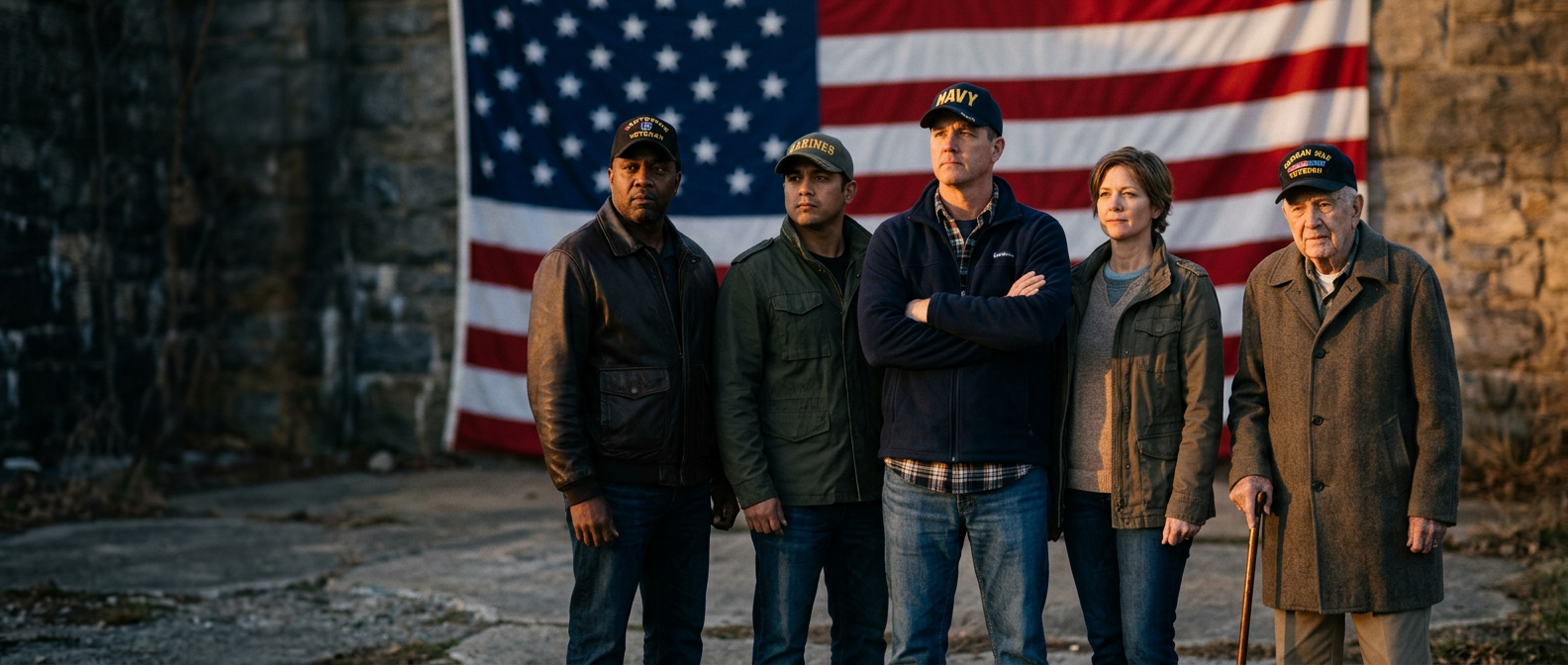
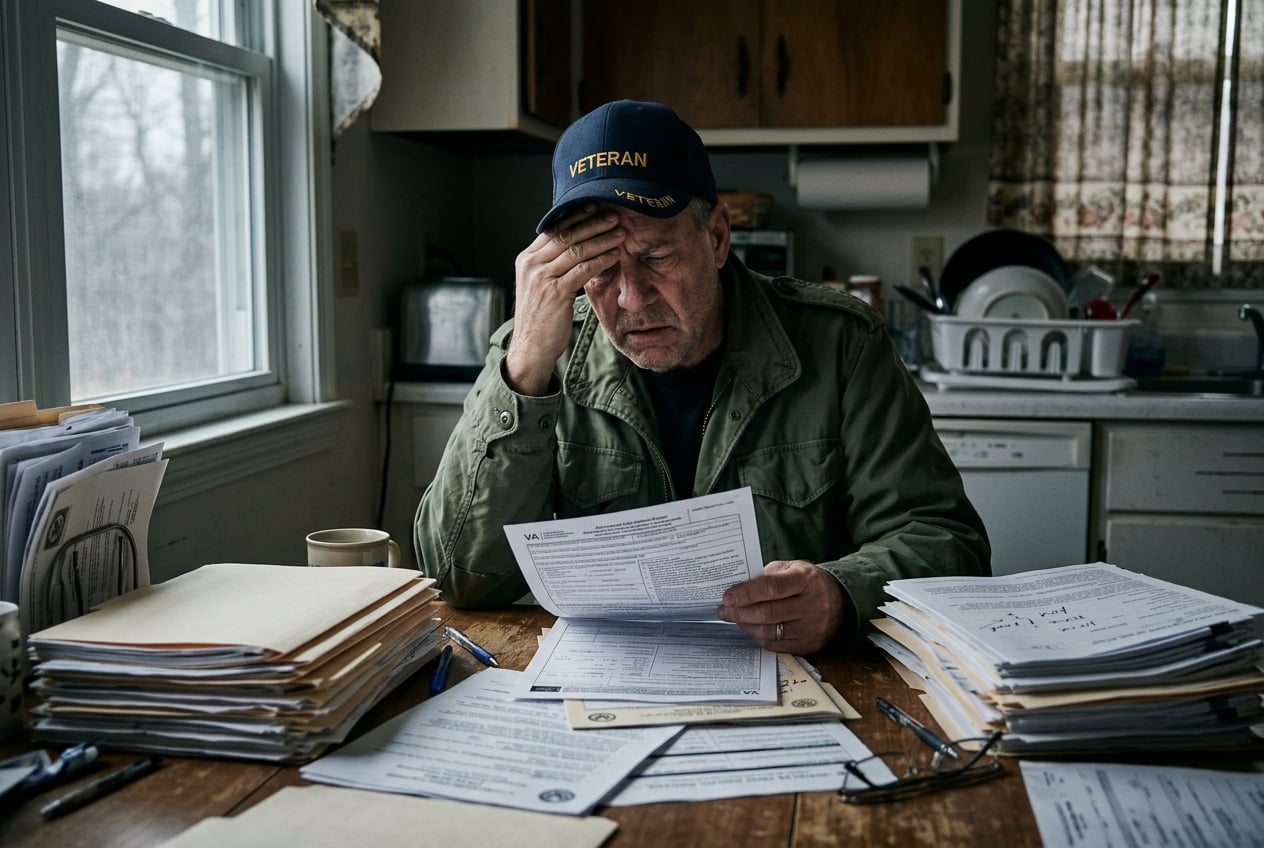
What Kind of Claimant Are You?
Your mindset is the variable that decides more claims than any regulation
After 20+ years fighting the VA, one pattern is undeniable: the outcome of a claim is shaped as much by the claimant as by the evidence. The regulations are the same for everyone. The VA is adversarial to everyone. What changes is whether the veteran shows up for their own claim or walks away.
Two veterans with identical conditions, identical service records, and identical legal theories will get different results if one is engaged and the other is absent. This is not opinion — it is what the regulations themselves predict. Under 38 CFR §3.159, the VA's duty to assist has limits. Under 38 CFR §3.655, missing a C&P exam can end your claim. Under 38 CFR §3.158, failing to respond for one year abandons it. The system is designed to reward participation and punish passivity. Be honest about which kind of claimant you are — because it can be changed.
The Persistent, Patient Veteran
This veteran treats the claim like a mission. They understand the VA moves slowly, and they refuse to quit. They show up for every appointment, write detailed statements, respond to every letter, and stay the course through the appeals process. They win — not because their case was easier, but because they did the work the regulation demands.
Under §3.159(a)(2), lay evidence is competent to describe observable symptoms — but only if you actually write it down.
Missing the one-year appeal window under §3.2500 forfeits back pay. Missing a §3.655 exam forfeits the claim. This veteran never lets a deadline pass.
Under §3.303(a), continuity of symptomatology supports service connection. Continuous treatment builds the record the rater needs.
Every rep change restarts months of case development. This veteran commits to an accredited professional and works the plan.
The math: A veteran denied at the initial claim level who files a Supplemental Claim with a strong nexus letter and is granted at 70% collects back pay from their original effective date. If that date was protected by an intent to file submitted 18 months earlier, the back pay alone can exceed what many veterans earn in a year. Walking away after the denial would have forfeited every dollar of it.
The Impatient Minimalist
This veteran wants the outcome without the work. They file and go quiet, refuse to write statements, skip medical appointments, and jump from representative to representative the moment things slow down. They blame the VA for every setback — and while the VA earns some of that blame, the minimalist sabotages their own claim through the exact behaviors the regulations are designed to punish.
Under §3.158, failing to respond to a VA request within one year treats the claim as abandoned — effective date resets entirely.
The VA has no obligation to build your case. Under §3.159, the duty to assist requires you to provide enough information for the VA to act on.
Under §3.655, missing a scheduled examination without good cause can result in outright denial (original claims) or rating on the existing record (re-examinations).
The one-year appeal window preserves your effective date. Missing it forfeits all back pay between the original date and the new filing.
Every switch restarts case development from scratch. Months of strategy, medical opinions, and file review are lost or duplicated.
The VA system rewards patience. Walking away from an appeal forfeits years of back pay — exactly the outcome the system is designed to produce.
The real cost: A veteran who files a bare claim and is denied, then waits three years to refile, has lost three years of back pay. At a 50% rating, that is potentially over $50,000 in lost compensation. A timely Supplemental Claim with a nexus letter could have won it all.
The Good News: This Is a Choice You Can Change
Being the minimalist is not a permanent identity — it is a set of habits. And habits can be broken. Every veteran who has ever won a claim started the process somewhere, and many started by being passive before deciding to get serious.
The transition from minimalist to persistent veteran does not require superhuman effort. It requires:
The Advocate's Bottom Line
We will fight the VA with everything we have — but we cannot want your claim more than you do. The persistent veteran is the one we can win for. The minimalist hands the VA its easiest denial. Bring us persistence and patience, and we will bring you a battle plan built to win. If you are ready to stop being the minimalist, start with a free consultation.
Where the VA Gets This Wrong
The VA system is adversarial — but it is not supposed to be predatory. When the VA fails to send required notices under 38 CFR §3.103, or when it assigns a C&P exam on unreasonably short notice, or when it closes a claim as "abandoned" without adequate outreach, the veteran's "minimalism" may actually be the VA's failure to fulfill its procedural obligations. We review every denial to determine whether the veteran was genuinely passive — or whether the VA failed its own duty.
The Three-Prong Test Your File Must Satisfy
Whatever kind of claimant you are, the VA measures every claim against these three elements. Knowing them is what separates the veteran who wins from the one who gives up.
The 3-Prong Service Connection Test
All three must be present. Miss one and the claim collapses — no matter how severe the condition.
Current Diagnosis
A present, medically documented condition. No diagnosis — no claim. The VA cannot rate a symptom it has not confirmed.
In-Service Event or Exposure
An injury, illness, event, or toxic exposure that occurred (or was aggravated) during active service — shown in records, or presumed under the PACT Act.
Medical Nexus
A medical link stating the current condition is “at least as likely as not” (50% or greater) caused by the in-service event. This is where most claims are won or lost.
Real Veterans. Real Claims. Real Outcomes.
Every case on this desk belongs to someone who served. These are the veterans this practice represents — across every era, branch, and condition.
 Veteran Representation
 Veteran Representation
 Veteran Representation
Know What the C&P Exam Should Look Like
The VA produced this explainer of the claim exam. Watch it, then compare it to what actually happened in yours.
Your VA Claim Exam: What to Expect
Tips to Prepare for Your VA Claim Exam
Three Ways to Put an Accredited Agent on What Kind of Claimant Are You?
No fee unless you win. An accredited agent #45147 personally reviews every request — we respond within 48 hours.
Book a Free Consultation
Pick a time to talk through What Kind of Claimant Are You? with our team — no pressure, no obligation.
Hire Us · File VA Form 21-22a
Appoint us as your accredited representative and get registered as a client so we can act on your behalf.
Call an Accredited Agent
Speak to a real person on our team right now.
702-992-4883