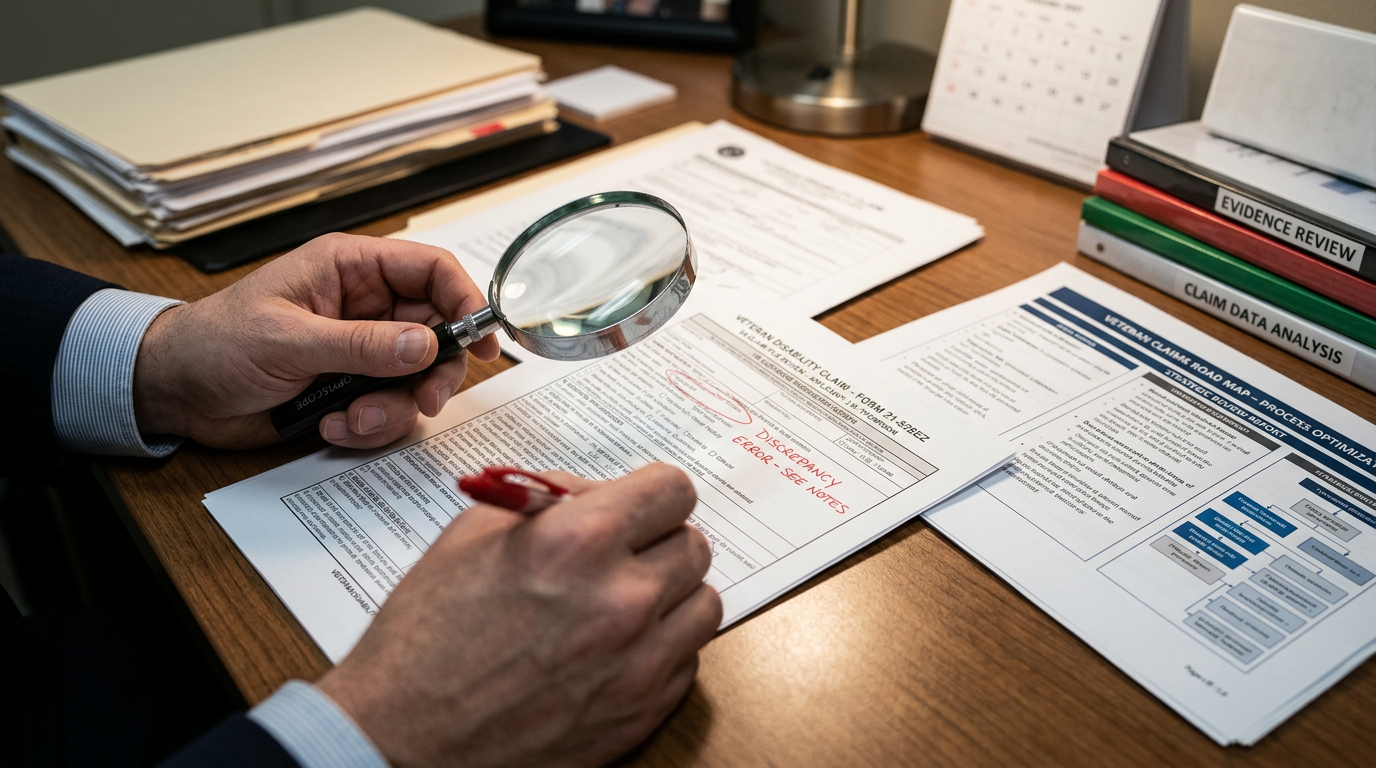

Evidence Strategy
Structured evidence analysis, gap identification, and examiner defect review, building the case the VA cannot deny
Claims are not won by arguing louder, they are won by the file. Direct service connection stands on three foundations, a current diagnosis, an in-service event, and a connection linking the two, and most denials come down to one of those foundations being weak or missing. We map your evidence against the standard, find the gap the VA will use to deny you, and close it before you file, so the decision comes down to the law and not to a hole in the record.
The Evidence Makes or Breaks Your Claim
The number one reason VA claims fail is not a lack of evidence, it is a lack of the right evidence. The VA does not deny claims because it does not care. It denies claims because the file does not contain what the rating criteria require. Our job is to figure out exactly what is missing, obtain it, and present it in the format the VA system is built to process.
Every evidence strategy starts with a question: what did the VA say was missing? The denial letter tells you. The rating decision tells you. The C&P exam report tells you. We read all three, identify the gap, and build an evidence package that fills it, no guesswork, no scattershot filing.
Your Medical Records Must Be Current
Strong, current medical records are the ammunition of a claims file. The VA rates what is documented, not what you live. If your last treatment record is two years old, the rater has no evidence of your current severity. Conditions that have worsened since your last exam are invisible to the rater unless they are documented.
Before you file or appeal:
The Five Types of Evidence That Win Claims
A rater does not grant claims on how bad you feel. A rater grants claims on what the file proves. Every winning claim I have built rests on some mix of these five kinds of evidence, and a gap in any one of them is where denials start. Your part is to check your own file against each type below and tell me which ones are missing, so we can fill the gap before the VA finds it.

Medical Nexus Letter
A qualified physician states "at least as likely as not" (38 CFR §3.102) that your condition is connected to service, with a written rationale explaining the medical reasoning. The nexus is the most commonly missing element in denied claims.

Disability Benefits Questionnaire (DBQ)
A standardized VA form completed by your own physician documenting your condition in the exact format the rating system requires. A private DBQ can be the single most powerful piece of new evidence in a Supplemental Claim.
Buddy Statements (VA Form 21-10210)
Written statements from people who observed your in-service event or can describe how your condition affects daily life. For MST claims under §3.304(f)(5), buddy statements about behavioral changes serve as corroborating evidence.

Service Records Requests
Personnel records, unit histories, deployment logs, and medical records the VA may not have obtained. A targeted records request can surface evidence the VA never knew existed.
Vocational Expert Opinion
For TDIU claims, a professional assessment of how your specific functional limitations prevent substantially gainful employment given your education and work history.
Our Evidence Review Process
When a veteran engages us, we do not hand them a checklist and wish them luck. We conduct a forensic review of the claims file and deliver a structured intelligence brief. That brief tells you what the VA already has, what it ignored, and what is still missing for each condition. Nothing gets filed until the gaps are named and a plan exists to close them. Your part is to get us your records, answer our questions straight, and tell us about every doctor you have seen.
 01
01Decision Decoding
We read every line of your denial or rating decision to identify the exact legal and factual basis for the result. The VA tells you what was missing, most veterans do not know how to read the language.
 02
02C&P Exam Audit
We compare the exam report to the diagnostic code criteria and the DeLuca/Sharp legal requirements. If the examiner missed required measurements, ignored flare-ups, or provided inadequate rationale, we document the defect.
 03
03Evidence Gap Analysis
We map what the VA needs against what the file contains. The gap might be a nexus, a current diagnosis, updated treatment records, or a specific measurement the exam failed to capture.
 04
04Evidence Prescription
We tell you exactly what evidence to obtain: the type (nexus letter, DBQ, buddy statement, records request), who should provide it, and what it must say to satisfy the legal standard.
 05
05Package and File
We assemble the evidence package, prepare any supporting arguments, and file through the appropriate lane, Supplemental Claim, HLR, or Board Appeal.
Your Doctor's Note Is Evidence, So Get the Exposure Into It

Most veterans think of a doctor visit as treatment and a claim as paperwork. I want you to see it differently. Every treatment note is a dated piece of evidence, and the note from a visit where you never mentioned what you breathed, drank, or handled in uniform is a note that will never help you. You get somewhere between ten and twenty minutes, and the clinician is focused on the complaint written on the intake form. The goal of that visit is not to argue about what caused anything. It is to get two facts into the record with a date on them: what you were exposed to, and what your body is doing now.
So lead with the exposure, in the first thirty seconds, before the conversation narrows to one symptom. Use the plain names: burn pit smoke, jet fuel and exhaust, solvents and degreasers, paint, asbestos, lead, herbicides, contaminated water, radiation. Give your unit, every place you served, and every job you actually did, not just the one printed on your paperwork. Then ask for it directly: please document in today's note that I report military exposure to these hazards, at these places, during these years.
Here is the trap. You said it, so you assume it got written down. Often it did not. Ask for a copy of the visit note before you leave and read it before you drive away. If the exposure is missing, say so politely and ask for an addendum. A clinician can add to a note. Ask for the actual numbers on every test, not the word "normal," and keep copies in your own folder. If a symptom is still there after a normal result, go back. A normal test rules some things out. It does not rule everything out.
Know what your doctor can and cannot do for a claim. A treating doctor can record your exposure history, order tests, refer you to a specialist, and write down what they observe. That is the raw material every claim is built from. A treating doctor cannot grant anything, and is not obligated to write a nexus opinion. Pushing your own provider for one can sour the relationship you need for your health, so let me handle the question of who writes the opinion. And remember that the C&P examiner is not your doctor and the exam is not treatment. Keep those two worlds separate in your head.
Your part: at your next appointment, VA or civilian, say two sentences. First: I was exposed to these hazards, at these places, during these years, doing these jobs. Second: please put that exposure history in today's note, and I would like a copy before I leave. That dated entry is the piece most denied files are missing, and it proves you raised the exposure before anyone mentioned money.
The Exam Room Is Where Claims Are Won: Say It Out Loud So the Chart Says It Too

Not every claim is about exposure. Most of the veterans I work with in their fifties and sixties are carrying a knee, a back, a shoulder, ringing ears, or sleep that never came back. For every one of them, the same thing is true: the claim is won or lost in the exam room long before anyone fills out a form. The VA wants a current diagnosis, something that happened in service, a link between the two, and a record showing the problem stayed with you. Your doctor's chart is where three of those four start.
Your doctor cannot read your mind. Walk in and say "my knee hurts," and the chart says knee pain. It does not say when it started, how long it has lasted, or what you were doing in uniform when it began. So say five things, plainly, every time: what hurts or limits you now, when it started, what happened in service that you believe caused it, how often it flares, and what it does to your sleep, walking, lifting, driving, and work. If the knee started after years of jumps, ruck marches, or a fall off a vehicle, say that out loud. Military records do not speak. You do.
What you say counts as evidence. Under 38 CFR §3.159(a)(2), competent lay evidence is what a person with knowledge of the facts can describe, and the courts have held that a veteran can speak to symptoms he lives with (Jandreau v. Nicholson) and that the VA cannot throw out your account just because there is no medical record from the time (Buchanan v. Nicholson). Once your words are in a dated treatment note, they stop being something you said to me and become part of the medical record the rater has to weigh.
One old service record is not enough on its own. The VA looks for a condition that is chronic, meaning documented over time, which is the whole idea behind 38 CFR §3.303(b). And you do not have to be in VA health care to build that record. A private doctor's notes count exactly the same. What matters is that someone with a license wrote it down, with a date on it.
Here is the trap: veterans minimize. You spent years being told to suck it up, and you are still doing it in the exam room. The doctor asks how you are, you say fine, and the note says no acute distress. That line follows you into every rating decision. Toughing it out may have gotten you through the service. It does not build a record. Describe your bad days, not your best one.
Your part: before your next appointment, write the five answers on one card and read them to the doctor if you have to. Then ask for a copy of the visit note and check that the start date and the in-service event made it onto the page. If they did not, ask for an addendum before you leave.
Four Habits That Turn Doctor Visits Into a Record the VA Cannot Ignore
A single visit where you finally mention a problem after twenty years of silence looks exactly like what it is: a visit made for a claim. A pattern of care looks like a real condition, because it is one. If you have not seen a doctor about the condition in over two years, make that appointment before you file. That is not fear talk. That is evidence talk.
The VA does have a duty to help you gather evidence under 38 U.S.C. §5103A and 38 CFR §3.159. It will request records you identify and may order an exam. It will not go to the doctor for you, keep your diary, or tell the clinician what happened in 1987. And if the evidence for and against you ends up in a tie, 38 CFR §3.102 says the tie goes to you. You still have to build enough evidence to get to the tie. These four habits are how.

Keep a symptom diary
A cheap notebook or a note on your phone. Write down when symptoms hit, how bad they are, how long a flare lasts, what sets it off, and what you could not do that day. Bring it to every visit and to your C&P exam. It keeps you from guessing, and it keeps you honest about the bad days you have learned to shrug off.

Keep going back
Chronic conditions need ongoing documentation. Keep your follow-up visits, do the physical therapy, take the referral, and go back when the treatment does not work. Each note adds a date to the pattern. A gap of years with no treatment is the first thing a rater points to when he decides the condition is not that bad or not that old.

Ask for what the record needs
At the visit, ask for a clear current diagnosis, not just the symptom. Ask that the note record when and how the problem began. Ask about specialist referrals and follow-up. If the condition is not presumptive, a medical opinion linking it to service may be needed later, and a chart that already holds the history makes that opinion far stronger. Then get copies.

Build one condition at a time
Throwing ten weak conditions at the VA is not a strategy. It spreads your effort thin and stacks up denials you then have to fight one by one. Pick the condition with the strongest story, build its diagnosis, its history, and its in-service event until it can stand on its own, then move to the next one. I would rather file one claim that wins than ten that do not.
Here is the trap: veterans assume the duty to assist means the VA will find the evidence and figure it out from old records. It will not. No doctor visit, no evidence, and no evidence, no win. I have watched real conditions get denied because the veteran never told the doctor the whole story, never went back, or waited for the VA to connect dots nobody had put on paper.
Your part: pick your strongest condition this week. Start the diary today, book the appointment if it has been more than two years, and bring both the diary and your five answers to that visit. When you have the diagnosis and a few months of notes, bring them to me and we will decide together whether it is ready to file.
Build Your Exposure History Before You Walk In
Nobody at the VA can reconstruct your exposure for you. The military did not measure what you were breathing, and no record will hand it over. You are the only person in that exam room who was actually there. A clinician handed a written exposure history writes a very different note than one who hears "I think there was some burning." Answer these six questions on paper, once, and you will reuse the answers for your appointments, your buddy statements, and your claim.

1. Where you were, and when
Every place you were posted, not only the deployment on your DD-214. Temporary duty, port calls, exercises, the six weeks you filled in at another base, the range you trained on every summer. Put a month and year against each one. If the month is gone, the season and the year will do. The exposure that gets left out is almost always the short stint nobody wrote orders for.

2. What you actually did all day
Not the job code, the task. I burned the trash. I cleaned parts in an open solvent tank. I slept forty feet from the pit. I stripped brake linings. A job title tells a doctor nothing. A task tells them what to look for. Two people with the same MOS can have completely different exposures, and the task is the difference.

3. How it got into you
Doctors think in routes of entry, so give them one. Did you breathe it, swallow it in the water or the ice or the food, get it on your skin, or get it into an open wound or burn? More than one can be true, and each points at different organs. This is the most useful sentence you can give a clinician, and the one veterans almost never think to say.

4. How much, and for how long
Every shift for fourteen months is evidence. Sometimes is not. Estimate hours a day and total months, and say plainly when you are estimating. A range you can defend beats a precise number you invented. Dose and duration are what turn a story into a medical risk factor.

5. What protection you had, and whether it worked
Was anything issued? Was it fit-tested? Did the filters get changed? Did anyone actually wear it in that heat, on that shift, at that tempo? We had masks and nobody wore them is a real answer, and it belongs in your record exactly as it happened. Missing or unused protection is not an admission of anything. It is part of the exposure.
6. Who else was there, and who shared it at home
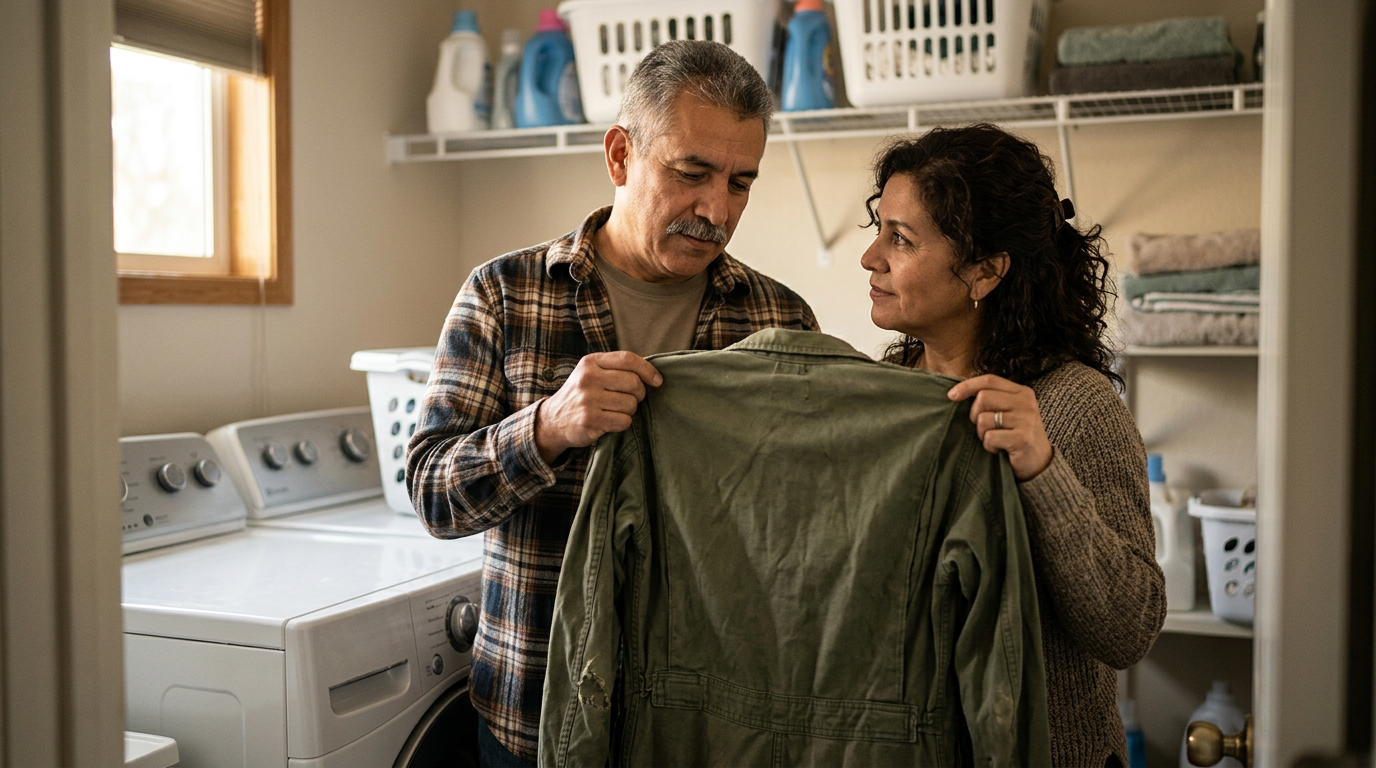
List the people who can write a buddy statement. Then list the people at home: whoever washed your coveralls, whoever rode in the truck, whoever lived in base housing and drank the same water. Contamination traveled home on clothing, boots and skin. Family exposure is real, and almost nobody raises it at the appointment.
Do this even if you feel fine today. Many exposure illnesses take decades to surface, and a baseline only helps if it exists before something goes wrong. If you are enrolled in VA health care, also ask for your toxic exposure screening. The PACT Act requires the VA to offer it to every enrolled veteran, an initial screening and then at least once every five years, and it takes about five to ten minutes. If your clinic says it is not available, ask for the facility's Toxic Exposure Screening Navigator by that title. The screening is not a claim and not a disability exam. What it gives you is a dated entry, in the VA's own record and in the VA's own words, that you raised military exposure.
Your part: write the six answers on one page this week, print two copies, hand one to your doctor and send the other to me. Ask that the page be scanned into your chart. That single sheet becomes the spine of every statement we write.
The Gap Between Discharge and Diagnosis Is Where Close Cases Are Lost

You already know the three foundations: a current diagnosis, an in-service event, and the link between them. Veterans lose more claims on the first one than any other, and it is the only one you can fix this week. A symptom you never reported does not exist as far as a rater is concerned. Somebody with a medical license has to examine you, name the condition, and put it in a dated record.
There is a fourth thing nobody calls a foundation, and it quietly decides close cases: what happened in between. The VA is not only asking whether something happened in service and whether you have a condition now. It is asking about the years in the middle. Fifteen years with nothing in any record invites the argument that whatever this is, it started after you got out. Here is the trap. For the chronic diseases listed in 38 CFR §3.309(a), continuity of symptoms under 38 CFR §3.303(b) can carry the link, and the Federal Circuit in Walker v. Shinseki held that route is limited to those listed diseases. For everything else, the gap is filled by records and by credible lay statements from you and the people who watched it happen. Every visit where the same symptom shows up again closes a piece of that gap.
A presumption helps with the link, but it cannot produce the diagnosis. The one narrow exception is 38 CFR §3.317. A veteran who served in the Southwest Asia theater can be compensated for a qualifying chronic disability that has no diagnosis at all, an undiagnosed illness or a medically unexplained chronic multisymptom illness. Even there, the symptoms have to be documented, and documented over time. There is no version of this where you stay out of the exam room.
Your part: the order that works is exposure first, then the doctor, then a named condition, then the filing. If you have a gap of years in your records, tell me now, along with the names of anyone who saw your symptoms during that time. We fill the middle with statements and current treatment before the VA uses it against you.
A Study Is Evidence, Not a Verdict

Veterans print a study off the internet, staple it to a claim, and expect it to carry the day. It almost never does. A study does not win a claim by itself. A rater cannot read medical literature and apply it to you, and is not allowed to. What a study can do is give a qualified clinician the science to stand on when that clinician connects your exposure to your diagnosis. The study is the raw material. The opinion is the evidence that moves the file.
Not every source carries the same weight, so start at the top. The strongest are the consensus reviews: the National Academies of Sciences, Engineering, and Medicine, ATSDR toxicological profiles, and the cancer findings of IARC and the EPA. Below those come systematic reviews, then large studies that follow groups of people over years, then laboratory studies of how a chemical damages tissue, and last, single case reports. For every source, write down who was studied, how they were exposed, what disease was measured, how strong the link was, what else could explain it, and whether that population looks like you.
The National Academies sort the evidence into a scale, and you should learn its words, because examiners twist them. Sufficient means strong, consistent evidence of an association. Limited or suggestive means the evidence points to an association but is not conclusive. Inadequate or insufficient means there is not enough evidence to decide either way. Here is the trap. An examiner reads "inadequate" and writes that science found no link. That is not what the word means. Not enough evidence is not evidence of nothing, and it cannot be dressed up as a finding against you.
The legal standard is lower than the scientific one, and that gap is where veterans win. A scientist wants certainty before calling something a cause. The VA needs only an approximate balance. Under 38 CFR §3.102, when the evidence for and against is roughly even, the reasonable doubt goes to you, the rule the Court of Appeals for Veterans Claims laid out in Gilbert v. Derwinski. Association is not automatic causation. But uncertainty is not proof against the veteran either. The right question is whether a reasoned opinion applied the best available science to the accurate facts of your service and your medical history.
Your part: stop stapling articles to your claim. Send me what you found, along with your exposure history and your diagnosis. I decide which science belongs in front of the clinician writing your opinion, and how it gets used.
Eight Shortcuts Examiners Take, and the Question That Answers Each
Most negative exposure opinions do not lose on the science. They lose on a shortcut: one categorical sentence that sounds medical and skips the analysis. Each one below is a sentence I see in real files, with the question a qualified clinician should actually be answering for your diagnosis. None of this replaces a presumption where one applies. It is for the claims that have to be proven the long way.
Migraine and chronic headache
“Medical science has not connected toxic exposure to migraine.”
That is a shortcut, not a finding. Migraine is a neurological disorder, and several service exposures act on the nervous system. Carbon monoxide is a recognized cause of headache, organophosphate pesticides produce neurologic symptoms including headache, and headache is one of the core symptoms of Gulf War illness. Nobody claims science knows the single cause of all migraine. The question is whether a clinician connected your exposure history to your headache pattern.
Respiratory and small-airway disease
“The chest X-ray and breathing test are normal.”
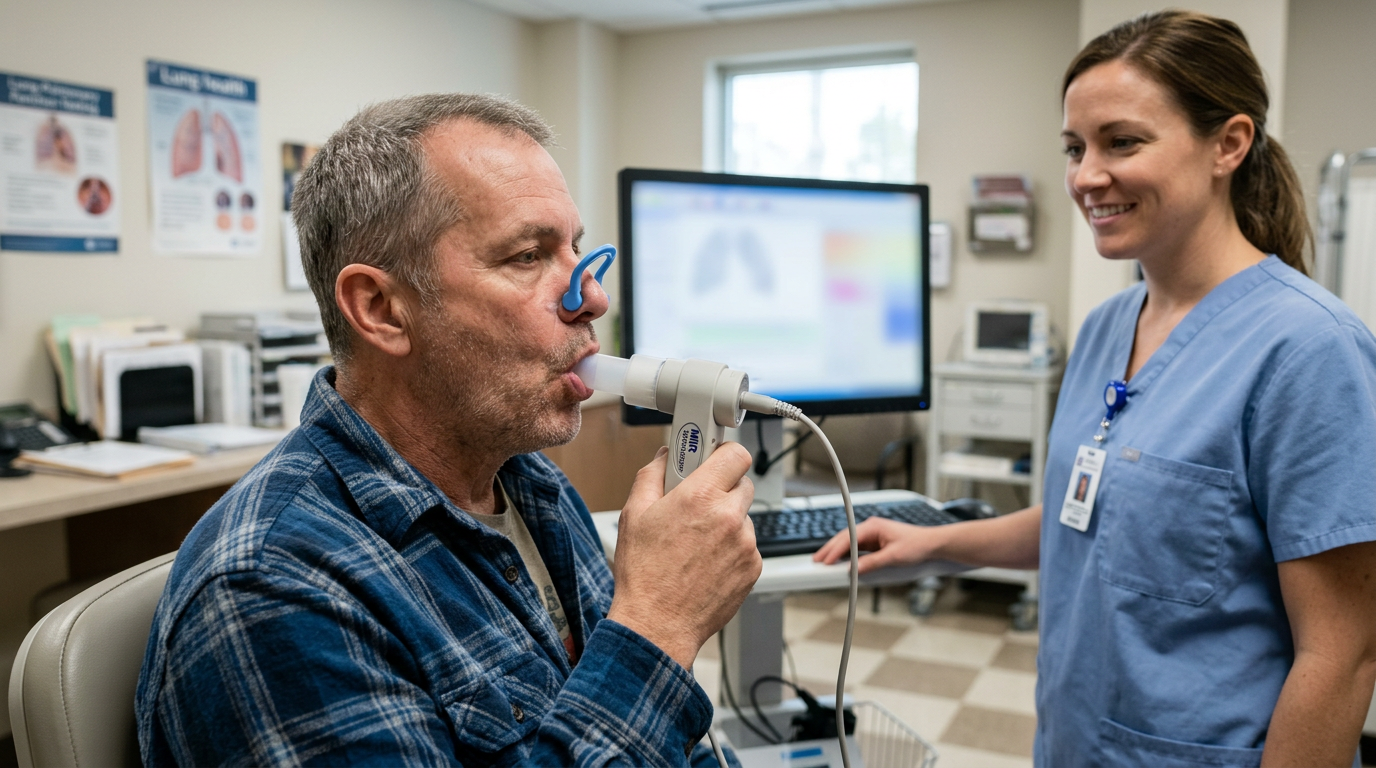
A normal screen is not the end of the analysis. Small-airway disease can sit below what a routine chest film and a basic breathing test pick up, and some deployed service members with biopsy-proven small-airway disease had fairly unremarkable routine testing. The question is whether your symptoms were worked up far enough to rule the disease out, or only far enough to write the word normal.

Cancers
“It is not on the presumptive list, so exposure does not matter.”
Two opposite shortcuts both fail. One says the chemical is a carcinogen, so it caused this cancer. The other says the cancer is not presumptive, so exposure is irrelevant. The honest path names the exact cancer and the primary site, then weighs the agent, the route, the dose, the time between exposure and diagnosis, and the competing risks, unless a legal presumption already settles it.

Neurological conditions
“Exposure to solvents and pesticides is too general to evaluate.”
Half right, and the half that is right is your job to fix. Research links pesticides and solvents to Parkinson’s disease and other neurologic conditions, and Parkinson’s is already on the herbicide presumptive list in 38 CFR §3.309(e). But the words solvents and pesticides are too generic to weigh. Name the substance, the task, and the years, and the examiner has something to evaluate.

Cardiovascular conditions
“Heart disease is common in the general population.”
Cardiovascular disease is not one diagnosis, and common is not the same as unrelated. Hypertension and ischemic heart disease are on the herbicide presumptive list, and PFAS is linked to high cholesterol. Each condition has to be analyzed on its own. An opinion that lumps your blood pressure, your cholesterol, and your heart into one sentence has not done the work.
Immune and autoimmune conditions
“There is no established link between exposure and autoimmune disease.”
Autoimmune disease is a family of conditions, not one claim. PFAS and related chemicals affect the immune system, and the National Academies found sufficient evidence linking PFAS to a decreased antibody response, but the evidence differs by disease and by compound. A sound claim names the exact diagnosis and the specific chemical instead of arguing autoimmune disease in the abstract.

Gulf War illness and multisymptom illness
“There is no unifying diagnosis for these symptoms.”
That can be the point, not the problem. Under 38 CFR §3.317, a veteran who served in the Southwest Asia theater can be compensated for an undiagnosed illness or a medically unexplained chronic multisymptom illness. The record has to sort each symptom into a diagnosed disease, an undiagnosed illness, or a multisymptom illness, because each has its own path. An examiner who stops at no diagnosis has answered the wrong question.

Reproductive, developmental and endocrine
“A PFAS blood level does not show where you were exposed.”
True, and that is why the blood test is never the whole case. The National Academies found sufficient evidence linking PFAS to decreased fetal and infant growth, high cholesterol, and kidney cancer, and suggestive evidence for others, including thyroid disease. The science can be strong while the claim still fails, because the timing and the military source of the exposure have to be established separately.
Here is the trap. When you see one of these sentences in your denial, the instinct is to argue the science back at the VA in a letter. That rarely works, because your letter is lay evidence on a medical question. What works is a qualified clinician who addresses the shortcut by name, applies the evidence to your actual exposure and your actual diagnosis, and explains the reasoning. An opinion built that way does not just disagree with the examiner. It shows the examiner never did the analysis.
Your part: find the sentence in your denial or your exam report that explains why the examiner said no, and send it to me with the decision. If it matches one of these eight, we already know what the next opinion has to answer.
The Private DBQ: When It Wins the Claim, and When It Backfires

A Disability Benefits Questionnaire is the VA’s own form for documenting a condition. There is a different one for nearly every body system: mental health, the spine and joints, ears and hearing, the heart, the lungs and sleep apnea, headaches and nerves, and on down the list. The C&P examiner fills one out at your exam. Your own doctor can fill one out too, and that is the part most veterans never use.
The law lets the VA rate your claim from it. Under 38 CFR §3.326(b) and (c), an examination report from a private institution, or a statement from a private physician, may be accepted for rating a claim without further examination, as long as it is otherwise adequate for rating purposes. Those last five words carry the whole thing. A private DBQ that answers every question the rating criteria ask can carry the claim. One that leaves the boxes blank gets you a VA exam anyway.
Two practical facts before you spend money. The VA does not reimburse what a private provider charges to complete a DBQ. And do not try to read the medical sections and decide for yourself what rating it supports. Some of that language takes training to interpret, and a misread form sends you down the wrong path. The four cards below are what I look at before I tell a veteran a private DBQ is worth getting.
It documents severity, not connection
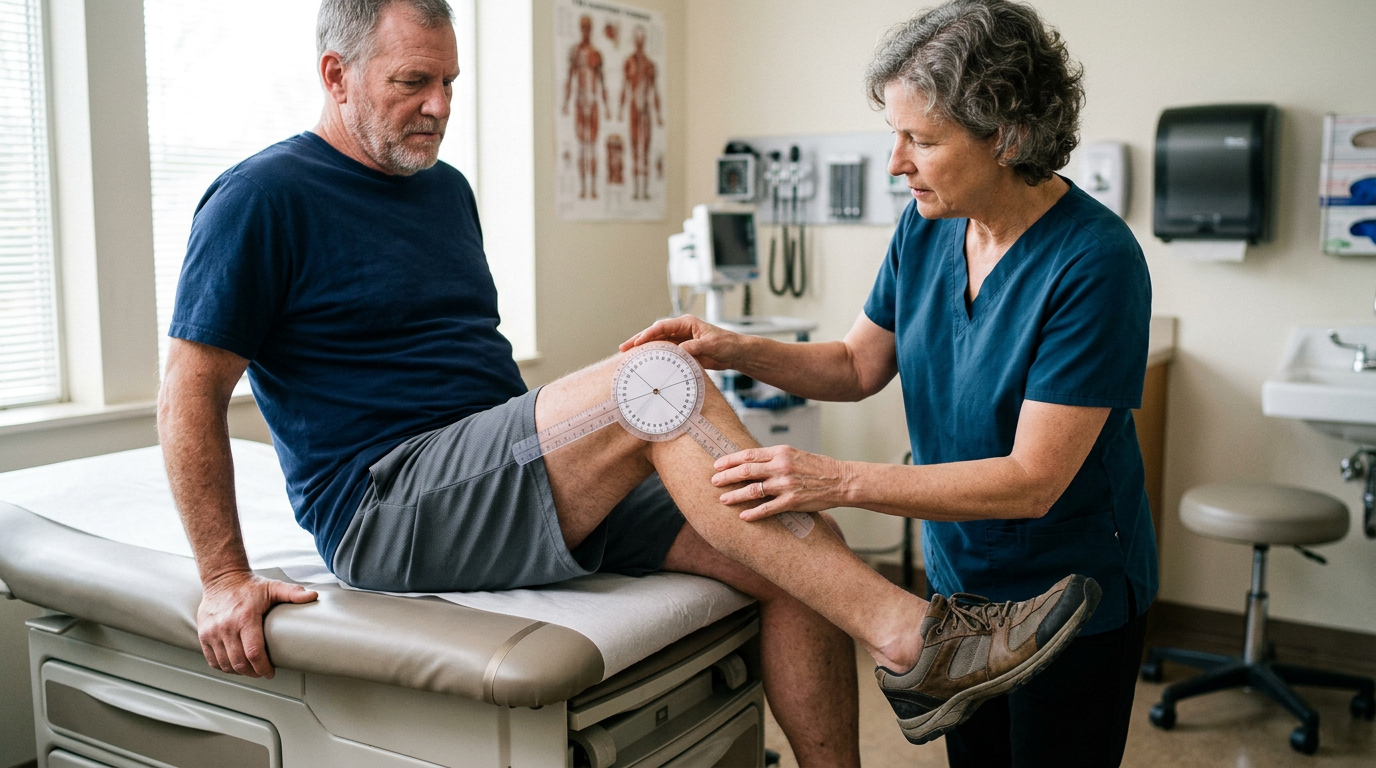
A DBQ is built around the rating schedule in 38 CFR Part 4. It records the diagnosis, the history, and the measurements a rater needs: range of motion, frequency of attacks, test results, how the condition affects work. That makes it strongest on a rating increase or a low rating. It does not, by itself, say your condition came from service. That is a separate question.

Why the VA may still order its own exam
Turning in a DBQ does not cancel your C&P exam. The VA may want to check the findings, fill a gap the form did not cover, or resolve a conflict with your other records. That is not a rejection of your evidence. But it is a reason to make the private DBQ complete, because when the VA exam comes back worse, the rater has to weigh both, and the thorough one should win.

DBQ plus nexus letter: the pair that works
The DBQ proves how bad the condition is. A nexus opinion proves where it came from, stated as at least as likely as not, with the reasoning written out. Under Nieves-Rodriguez v. Peake, the weight of an opinion comes from its reasoning, not the credentials or the conclusion alone. Put the two together and the rater has severity and connection from a clinician who actually knows you.
The mistakes that sink a private DBQ
A form filled out on your best day. A flare-up section left blank. A provider who never looked at your service or treatment records. Findings that contradict your own chart with no explanation. Each one hands the VA a reason to give the form little weight. A DBQ is only as good as the exam behind it, and a five-minute signature is worse than nothing.
Here is the trap. Veterans pay for a DBQ, see a higher severity on paper, and assume the rating is settled. It is not. The VA makes the decision, and even a strong DBQ and a strong nexus letter can be read differently, followed by another exam, or outweighed by a record that says something else. These documents make a claim stronger. They do not guarantee the result, and nobody honest will tell you they do.
Your part: before you pay anyone for a DBQ, tell me the condition and what the VA said about it. I will tell you which form fits, whether you need a nexus opinion with it, and what the provider has to address so the VA cannot call it inadequate.
Evidence Connects to Every Service We Offer
What the examiner must measure, what you should say, and how to spot a defective exam
Where new evidence goes, the filing lane designed for the evidence gap we identify
Every secondary claim needs a nexus opinion, we identify the chain and prescribe the evidence
Inside the VA's Procedural Manual
The VA's evidence obligations are written into the law, 38 U.S.C. §5103A and 38 CFR §3.159(c) (Duty to Assist). The VA must obtain federal records, request private records with the veteran's authorization, and provide a medical examination when the record contains competent evidence of a current disability, an in-service event, and an indication the two may be connected, the McLendon v. Nicholson, 20 Vet. App. 79 (2006), threshold. If any of these steps is skipped, it is a Duty to Assist error under 38 CFR §3.159.
What the C&P exam must measure comes from the rating schedule, 38 CFR Part 4. Under 38 CFR §4.2, an exam report that does not contain enough detail to rate the condition must be returned as inadequate, and under Barr v. Nicholson, 21 Vet. App. 303 (2007), once the VA provides an exam it must be adequate. The M21-1 tells VA staff how to carry this out, but it is an internal manual: it does not lower the bar the regulation sets, and under Overton v. Wilkie, 30 Vet. App. 257 (2018), it does not bind the Board. An exam that omits required measurements is a Part 4 defect, and that is the argument we take into an HLR or Board appeal.
Key CAVC precedent: Reonal v. Brown, 5 Vet. App. 458 (1993), held that a medical opinion based on an inaccurate factual premise has no probative value. If the C&P examiner relied on incorrect facts, we challenge the opinion directly. Combined with Nieves-Rodriguez v. Peake, 22 Vet. App. 295 (2008), requiring that medical opinions contain both factual accuracy and adequate rationale, these cases give us the legal tools to dismantle weak VA examiner opinions.
The Advocate's Take
Evidence is not about volume, it is about precision. I have seen veterans submit 500-page medical records dumps and lose, and I have seen a single two-page nexus letter overturn a decade-old denial. The difference is targeting.
Here is how the VA looks at it. A rater has to find three things: a current diagnosis, an in-service event, injury, or exposure, and a nexus connecting them. The nexus is judged on the at least as likely as not standard, which means 50 percent or better. A medical opinion counts only if it rests on accurate facts and explains its reasoning, which is exactly what Reonal and Nieves-Rodriguez say. A one-line letter that says "this is related to service" gets little weight. A letter that reviews your records, names the in-service event, explains the medical mechanism, and cites the literature gets real weight. Lay evidence matters too: you are competent to describe what you saw and felt, and a buddy statement on VA Form 21-10210 can prove an event your records never captured.
What you need, in order of importance. First, the decision letter or the claim you are building, so we know the target. Second, your service treatment and personnel records, which you can request through the VA or the National Personnel Records Center. Third, current treatment records showing a diagnosis and ongoing symptoms. Fourth, a nexus opinion from a qualified provider who has reviewed your file. Fifth, lay statements from you and the people who know you, describing onset, continuity, and how the condition affects your work and your home.
Walk through it with me. Step one: identify the exact element the VA says is missing. Step two: match one piece of evidence to that gap. Step three: make sure that evidence meets the legal standard, the right words, the right facts, the right rationale. Step four: submit it in the right lane, with a short cover letter that points the rater to it. Step five: if the VA failed to get records it knew about or gave you an inadequate exam, we raise the Duty to Assist under 38 CFR §3.159 and the Benefit of the Doubt under 38 CFR §3.102.
You need to know exactly what the VA said was missing, exactly what evidence fills that gap, and exactly what legal standard it needs to meet. That is what we do. We do not throw paper at the wall, we build a case. And before you file or appeal anything, make sure your medical records are current. The VA rates what is documented, not what you live.
Your part: stay in treatment, tell your providers every symptom, sign the records releases, and ask the people who know you to write it down. I target the evidence and argue the law. We work WITH you, not FOR you.
Evidence strategy is about putting the right proof in front of the right person, and the C&P examiner is the person who matters most. What you document before the exam, and how you describe your symptoms during it, shapes every opinion in your file. Watch the official VA videos below so you know exactly what that examiner is supposed to look for.
What the VA Looks For, and How to Prepare
Evidence wins claims. These official VA explainers show what the claim exam measures and how to prepare, so your evidence answers the exact questions the VA will ask. Treatment records prove the diagnosis, service records and buddy statements prove the event, and a medical opinion ties them together. Line up each piece against the element it proves, and you will see where your file is strong and where it is still open.
Your VA Claim Exam: What to Expect
Tips to Prepare for Your VA Claim Exam

The Nine Questions Every Veteran Should Be Able to Answer
This is the standard I hold every page on this site to. Before you file anything on your evidence, you should be able to answer these nine questions. If you cannot answer them yet, you are not ready, and that is exactly what my review is for. This is education first, representation second.

What is this?
Evidence strategy is the disciplined work of deciding what your record actually proves and where it falls short, before a single form is filed. It is the foundation of every claim.

What must the VA decide?
Whatever question your claim raises, service connection, severity, unemployability, or an effective date, and it decides it on the evidence in front of it.

What must the evidence prove?
Every element of your specific claim. The goal is not the thickest file, it is the clearest record that leaves the rater no room to deny you on a gap.

What is the VA responsible for?
Helping obtain federal and identified private records and providing an examination where required. But the duty to assist is not a duty to build your case for you.

What are you responsible for?
Telling me where your records are, pursuing treatment, and being honest about what the evidence does and does not show.

What can go wrong?
Filing before the evidence is ready, submitting duplicate records, or missing the one document, a nexus opinion, a service record, that the whole claim turns on.

What you should not do
Do not file on hope and do not flood the file with irrelevant paper. Volume is not proof, and a weak filing is harder to fix than a delayed one.

What I review as your accredited agent
I audit your record element by element, separate what you believe from what the evidence proves, and identify the exact gaps to close before we file.

What happens next
Once the gaps are closed, we choose the right claim or review route and file with a record built to be decided in your favor, not returned for more development.
Representation Means Telling You the Truth
Do Not File Yet If…
Before you take action on your evidence strategy, check whether any of these apply. Filing at the wrong time can weaken your claim, waste a deadline, or put you on a longer path than necessary. I would rather tell you to wait than watch you lose an effective date or hand the VA a thin file it can deny in a week. A denial is not the end, but it costs you months. Read each item below honestly. If one fits your situation, call us first and we will tell you what to fix before anything gets filed.


Frequently Asked Questions
These are the questions veterans ask me about evidence, and they all come back to one point: the VA decides on what is in the file, not on what happened. A strong story without records loses to a thin story with records. Your part is to read these answers and then check your own file for the gaps they describe.
What is the most important type of evidence for a VA claim?
Can I use a private physician for a DBQ?
How much does a nexus letter cost?
What if my C&P exam was inadequate?
What evidence does the VA have to obtain on its own?
What is a DBQ and why does it matter?
How do buddy statements help my claim?
What We Need From You
Here is the hard truth: we can map every gap in your file, but we cannot see a doctor for you, sign a statement for you, or remember the event for you. Under 38 CFR §3.159 the VA has a duty to assist, and you have a duty to cooperate. These four jobs are yours. Do them, and the file we build stands on solid ground.

Get and stay in treatment
Consistent medical records are the backbone of both service connection and rating increases. Gaps hurt you.
Secure a real nexus opinion
The 'at least as likely as not' medical link, with written rationale, is exactly where most claims fall apart.
Collect lay and buddy statements
First-hand accounts fill the gaps no medical record can, especially for events from decades ago.
Organize before you file
Get every record and statement in one place. A complete file is faster to win and far harder to deny.
Find the Gap in Your Evidence
Direct service connection stands on three foundations, diagnosis, in-service event, and the connection between them. Check what you already have and the tool tells you exactly which foundation is missing. Be strict with yourself. A diagnosis has to be written in your records by name. An in-service event has to show up somewhere the VA can see it. The connection usually takes a medical opinion. If the tool flags a gap, that is the piece to work on first, before anything gets filed.
Evidence Gap Finder
Direct service connection needs three foundations: a current diagnosis, an in-service event, and a connection tying them together. Check what you already have.
A complete structure is not the same as a winning file. This tool maps the three legal pillars, it does not weigh the strength of your specific evidence.