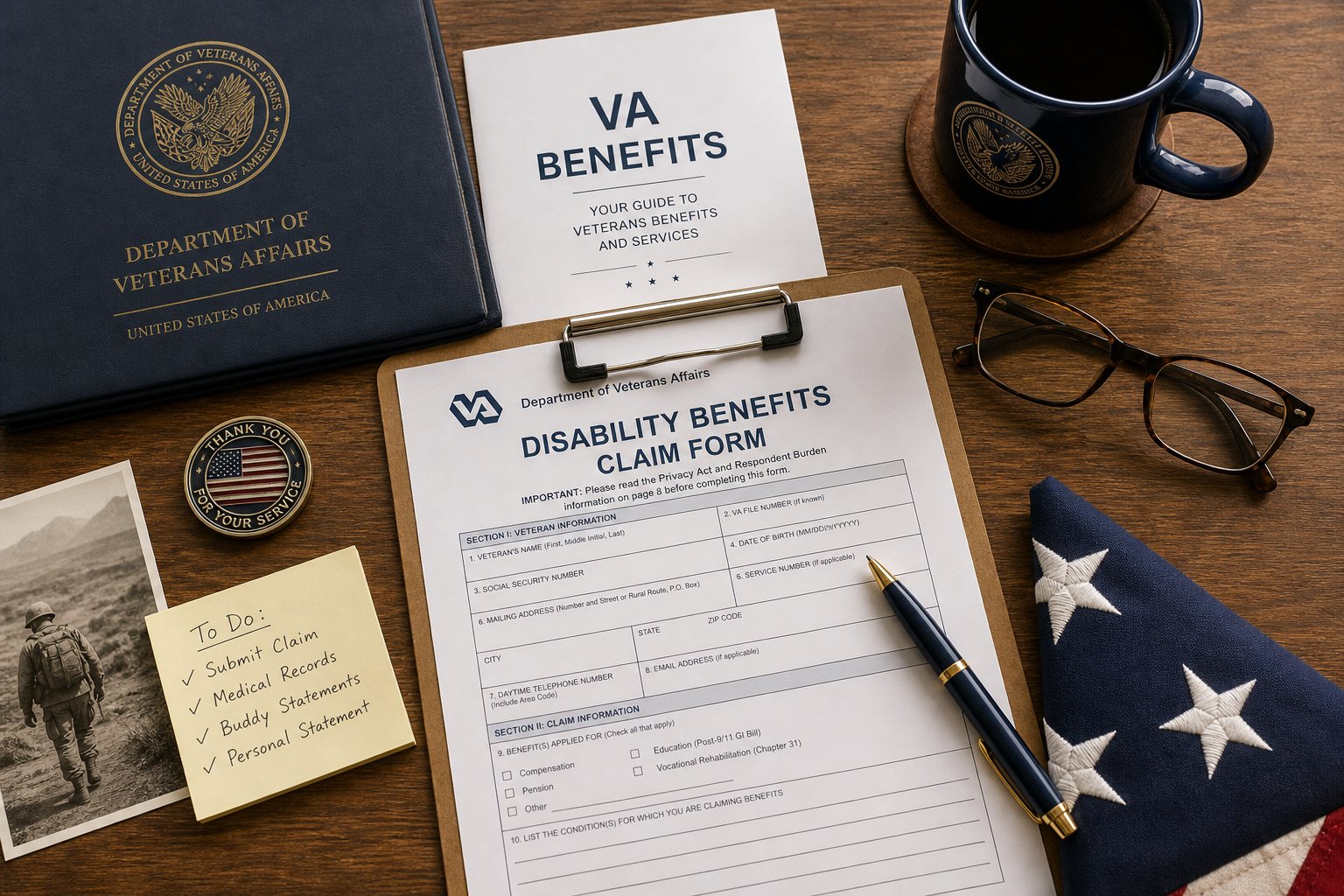
Resources
The key VA forms, regulations, and topics that shape your claim, explained here, in plain language, so you never have to go hunting. Every link below goes to a page on this site with the full breakdown. The VA writes its rules for its own people, not for you. I rewrite them so you can see what the rater is supposed to do, what evidence moves a decision, and where most denials actually come from. Your part is to read the topic that matches your situation before you file anything.
Two Guides Every Veteran Should Bookmark
Before the regulations and the deep-dive topics, start with the two things you will use over and over: getting set up with the VA online, and knowing which form does what. Most of the mistakes I clean up started right here: the wrong form, a missed letter in the portal, or a deadline nobody saw. Your part is to get your VA.gov account working and learn the five or six forms that drive almost every claim.


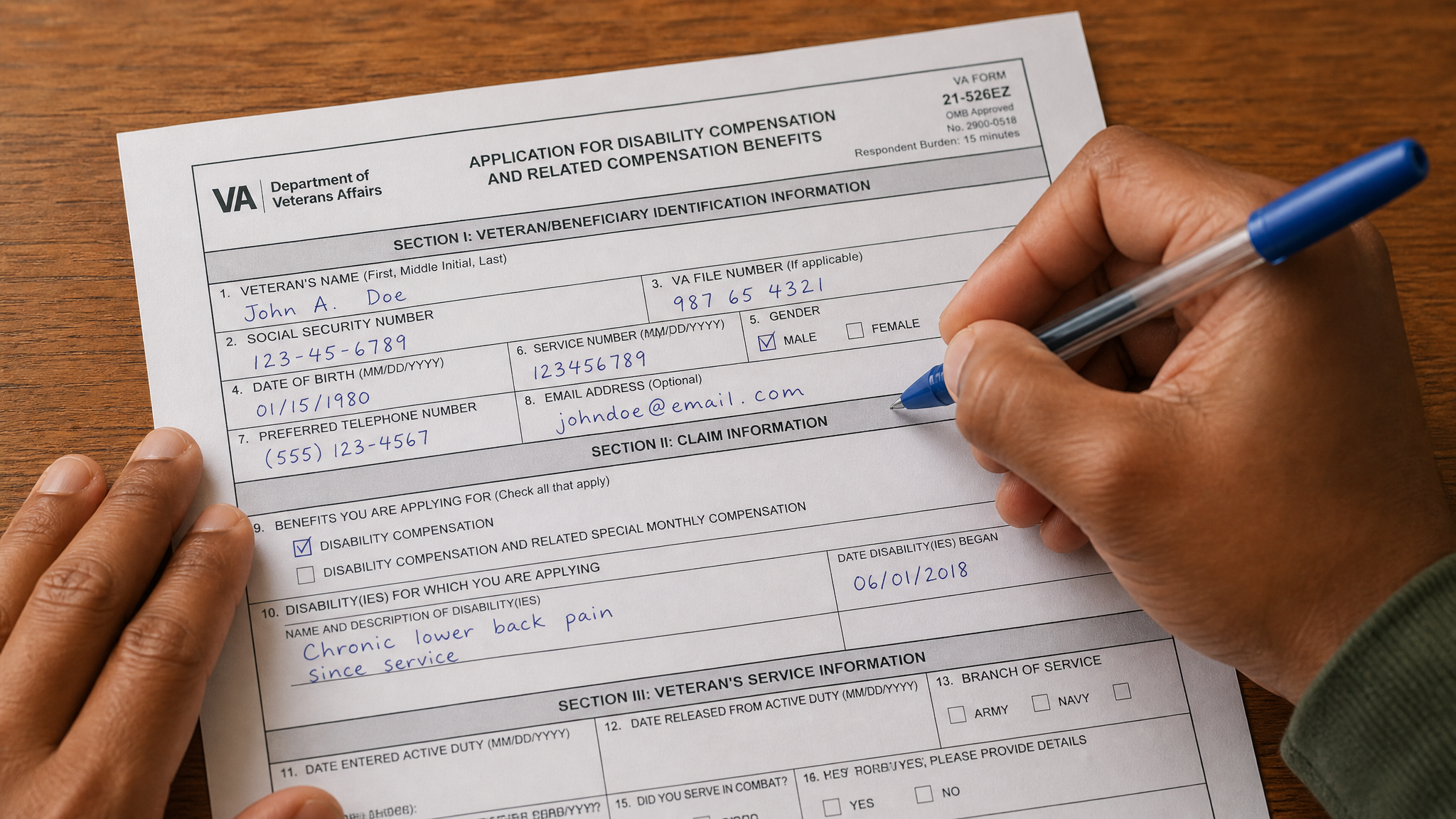
VA Forms You Need to Know
These are the federal forms that drive the VA claims and appeals process. Each card links to our in-depth guide for that form and the claim type it supports. For the complete, filing-by-filing breakdown, open the full Forms Library. Pick the right form first, because the wrong one costs you months.
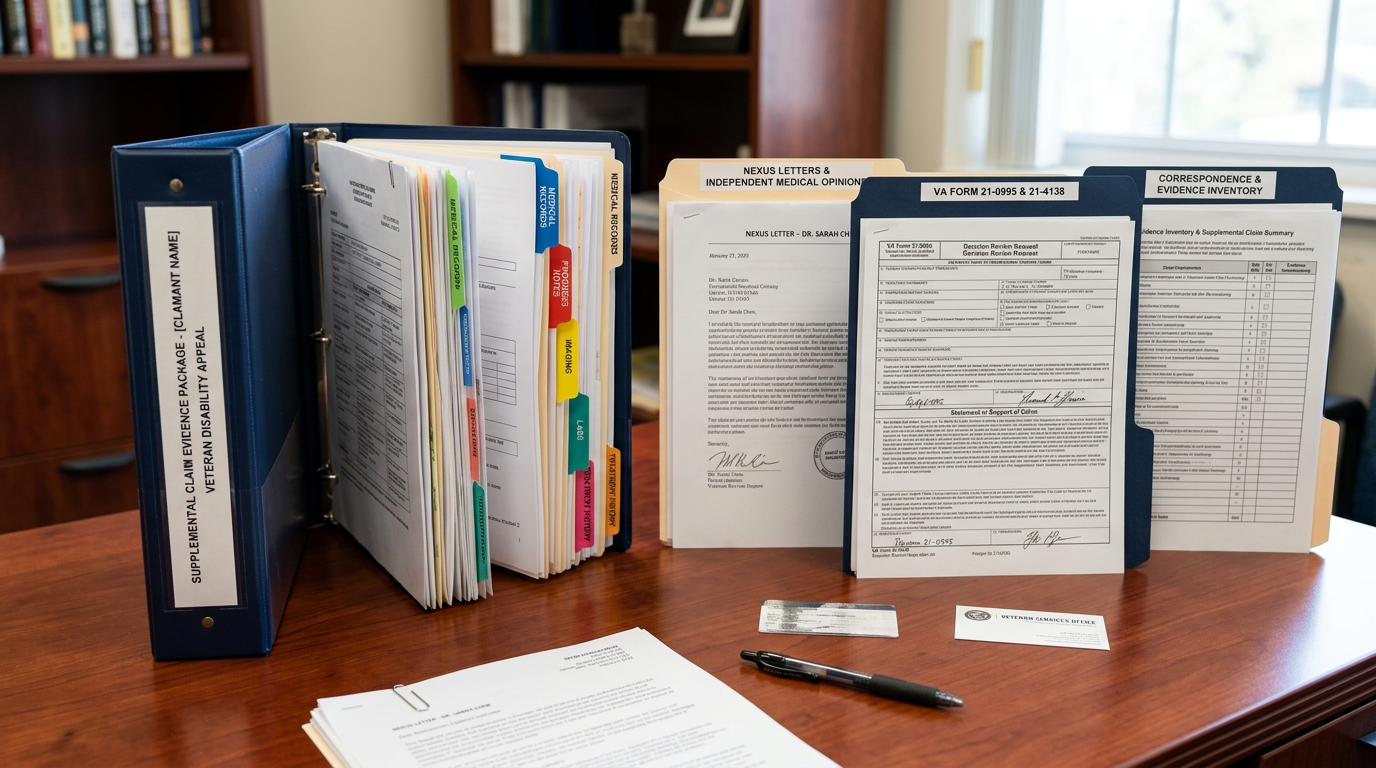




Key Regulations Explained
These are the sections of Title 38, Code of Federal Regulations that govern how VA disability claims are decided. We cite these in every case we fight, and each one is explained in full on the linked page. When a rater ignores one of these rules, that is a legal error, and legal errors are what win appeals. Your part is to know the rule that fits your claim so you can spot when the decision letter skips it.

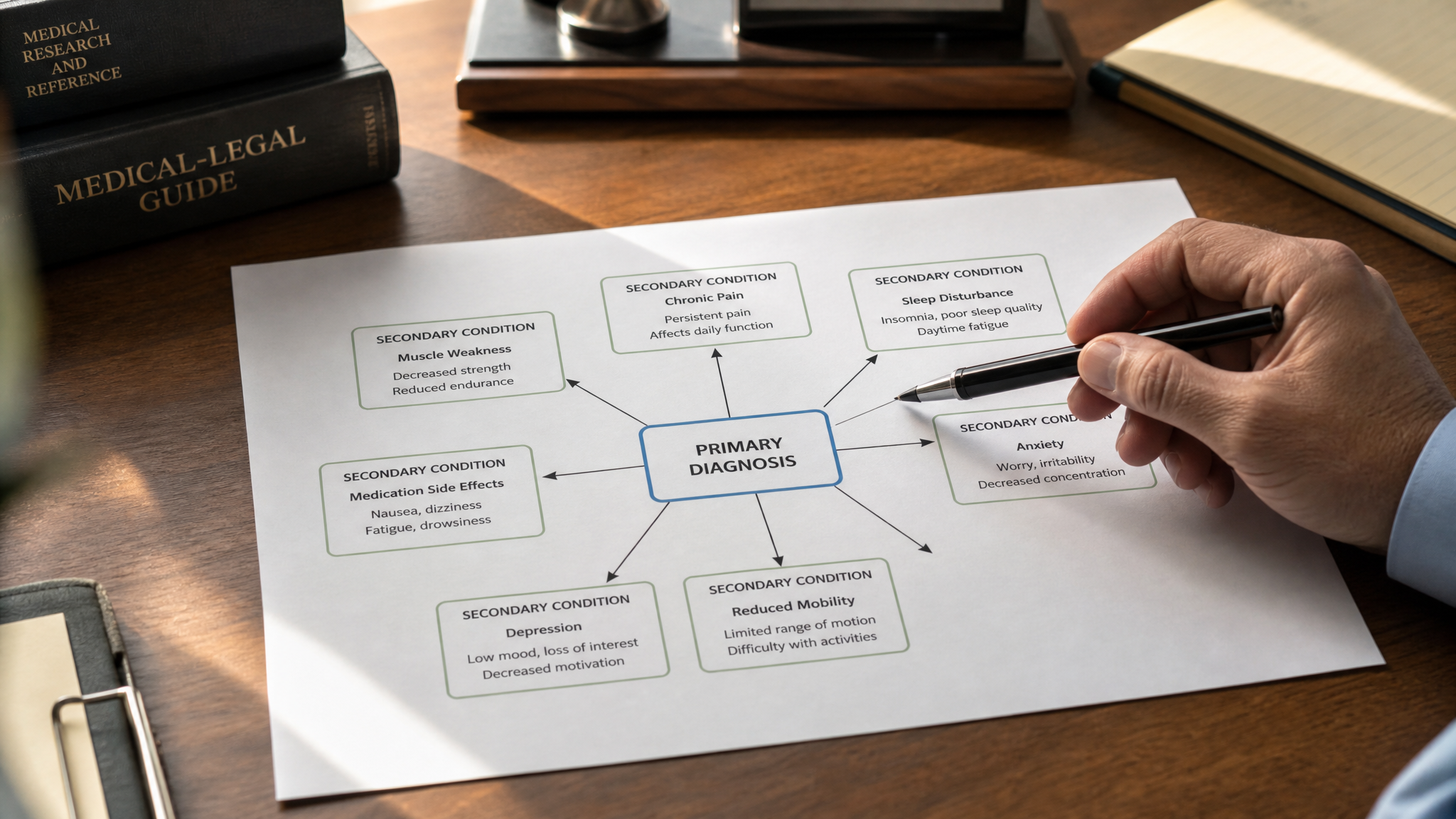






Topic Guides & Tools
Full-depth guides on the topics that matter most to denied and under-rated veterans, plus interactive tools and AI-powered analysis you will not find anywhere else. Each guide walks through the law, the evidence the VA expects, and the traps that sink good claims. Your part is to pick the guide closest to your denial or your condition, read it all the way through, and write down the questions it raises for your own file.







The C&P Exam, Decoded
The forms and regulations above shape your claim. The C&P exam is where the rating is actually decided. Know what to expect before you walk in. The examiner has limited time, a checklist, and no duty to dig for what you leave out. Your part is to describe your worst days, not your best ones, explain how symptoms affect work and daily life, and request a copy of the exam report afterward so you can check it for errors.

How to Describe Your Symptoms, and What to Avoid
The examiner’s notes drive your rating. A single “I’m fine” can cost you an entire rating level.
- Describe your WORST days and flare-ups, not your average day
- Explain how symptoms limit work, sleep, and daily tasks
- State the frequency & duration (“3 flare-ups a week, 2 hours each”)
- Report pain during repetitive motion, not just the first rep
- Be honest about mental-health impact on relationships & focus
- Don’t say “I’m fine” or “I’m good” out of habit or pride
- Don’t minimize or “power through” to look tough
- Don’t exaggerate, credibility is everything on the record
- Don’t describe only your best day
- Don’t assume the examiner has read your whole file
Real Veterans. Real Claims. Real Outcomes.
Every case on this desk belongs to someone who served. These are the veterans this practice represents, across every era, branch, and condition: the Vietnam vet who was told it was too late, the Gulf War vet the system called a mystery, the young veteran who walked out of a five minute exam with a zero. Different stories, same fight. The record decides the claim, so we build the record.
 Veteran Representation
 Veteran Representation
 Veteran Representation
Understand Your Claim Exam
The forms above open your claim, the exam decides it. Watch the official VA guides before you go. Then get ready the way you would for any inspection: know your diagnoses, bring a short list of your symptoms and flare-ups, and be honest about your worst days. Under 38 CFR §3.655, missing the exam without good cause can sink the claim.
Tips to Prepare for Your VA Claim Exam
VA Claim Exams: Musculoskeletal / Rheumatological