Service Population
National Guard & Reserve Veterans
Active duty, ACDUTRA, INACDUTRA, and why the line between them decides your claim
Guard and Reserve claims turn on a single technical question: what duty status were you in when the injury or disease occurred? Get that wrong and the claim dies on a technicality that has nothing to do with your medicine.
The Duty-Status Question That Decides Everything
For a Guard or Reserve member, service connection depends on the duty status you occupied at the moment of the injury or the onset of disease. This is not a technicality the VA applies loosely, it is the threshold question, and it is where the overwhelming majority of Guard and Reserve denials come from.
Active duty (Title 10)
Full federal service, including mobilization and deployment. Both injury and disease are eligible for service connection, and all the usual presumptions apply.
ACDUTRA, Active Duty for Training
Annual training, initial entry training, and school tours. Both injury and disease incurred or aggravated during ACDUTRA can be service-connected.
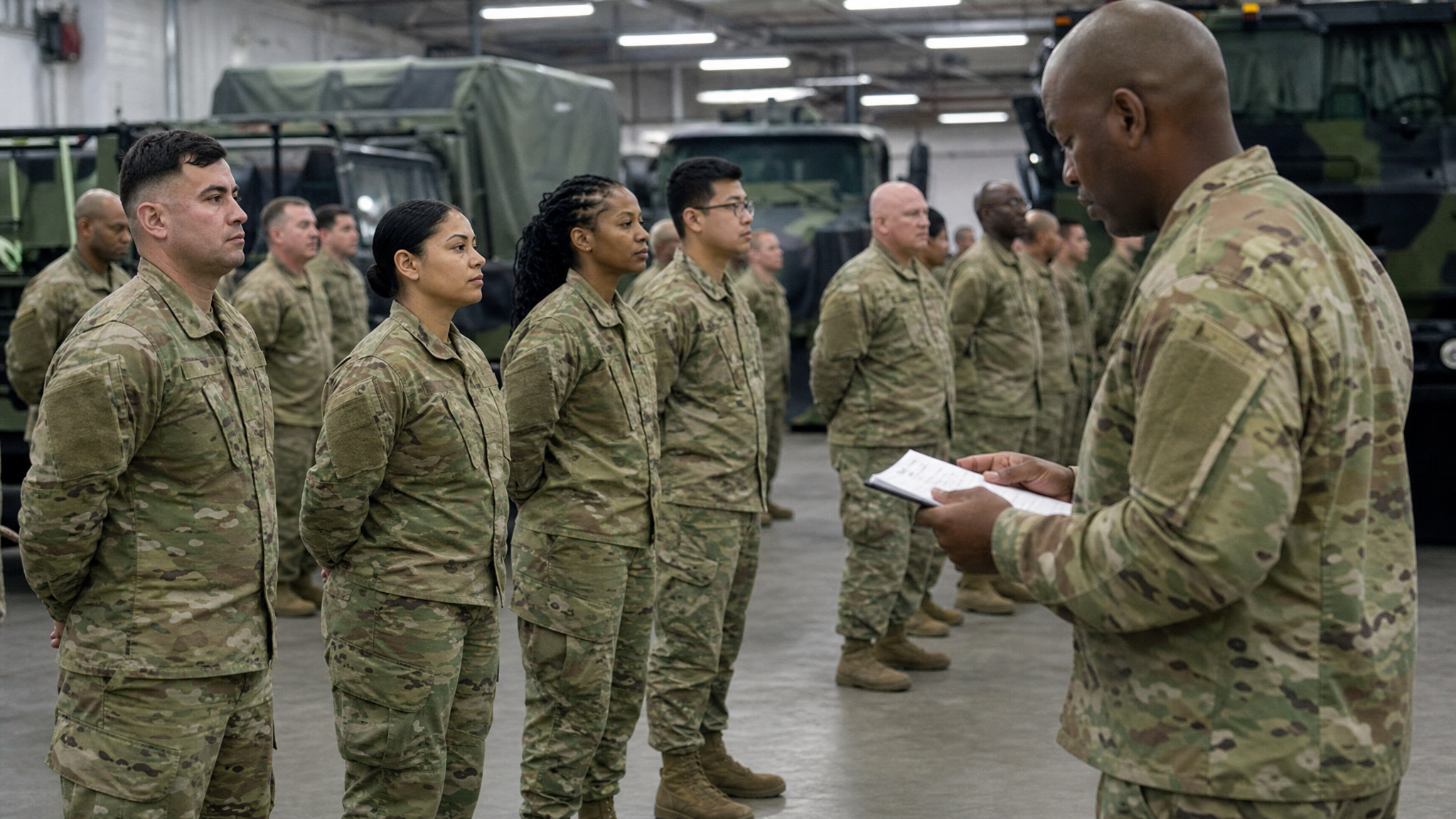
INACDUTRA, Inactive Duty Training
Weekend drill. Only an injury, or a myocardial infarction, cardiac arrest, or cerebrovascular accident, incurred or aggravated during INACDUTRA can be service-connected. A disease that merely first appears during drill generally cannot.
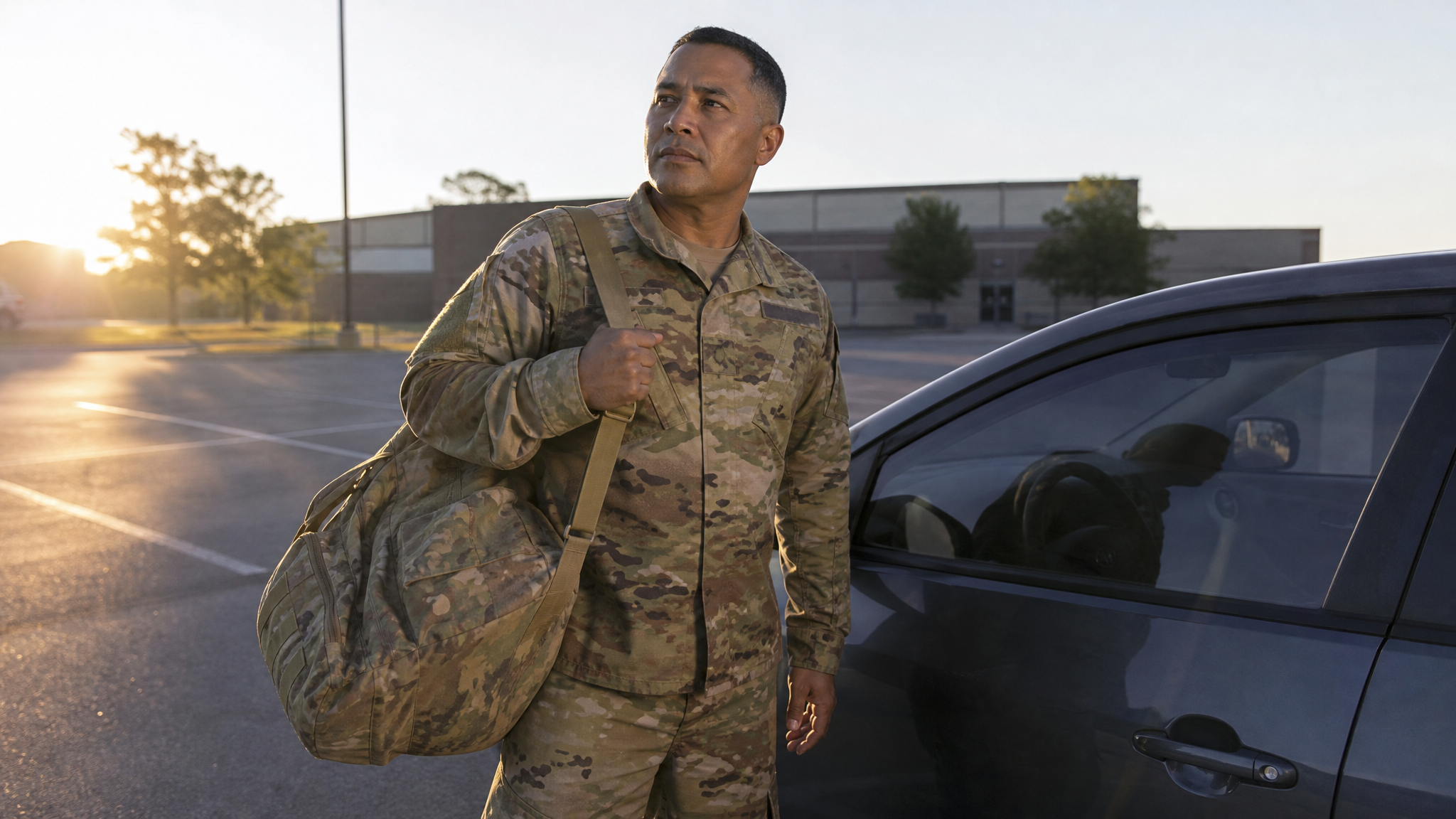
Travel to and from INACDUTRA
Under §3.6(e), an injury sustained while traveling directly to or from inactive duty training is treated as incurred during that training. This provision is repeatedly overlooked.
Veteran Status Is Not Automatic
A Guard or Reserve member becomes a “veteran” for VA compensation purposes when they were disabled or died from a disease or injury incurred or aggravated in the line of duty during a qualifying period, not simply by having served twenty years of drills. This is why establishing the qualifying period matters so much: it creates the veteran status the claim depends on.
One consequence catches people off guard: presumptive service connection under §3.307, including the chronic-disease and herbicide presumptions, generally requires active duty, not ACDUTRA or INACDUTRA. A Guard member with diabetes that appeared between drills cannot use the presumptive route; they need a direct theory.

Line of Duty Determinations
A Line of Duty (LOD) determination, DA Form 2173 in the Army, or the equivalent in other components, is the single most valuable document in a Guard or Reserve claim. It contemporaneously documents that an injury occurred during a qualifying duty period and was not the result of misconduct.
If an LOD was never completed, the claim is harder but not lost. Drill attendance records, unit sign-in rosters, orders, sick-call slips, and buddy statements from members who were present can all establish the duty period and the event.
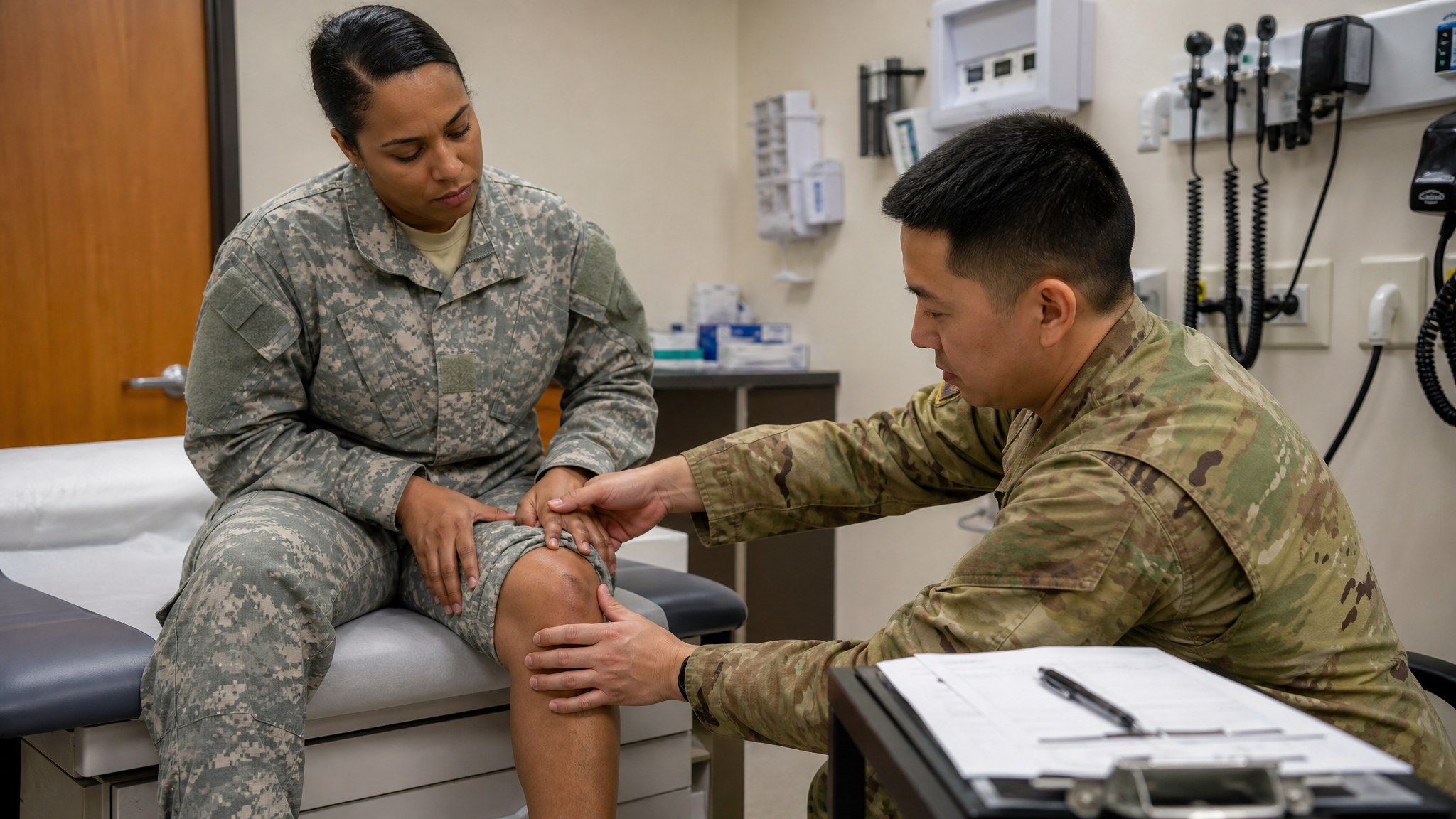
The Aggravation Route
Many Guard and Reserve claims are best framed as aggravation rather than incurrence. A knee that was functional before annual training and permanently worse after it is a valid claim under §3.303 even though the underlying condition predated the duty period. The measure is whether the qualifying period caused a permanent increase in severity beyond natural progression, and the pre-duty and post-duty medical records are what prove it.

The Advocate’s Take
We have seen strong Guard and Reserve claims denied for one reason: nobody pinned down the duty status on the date of injury. That is a records fight, not a medical one, and records fights are winnable when you know which papers matter.
Here is how the VA looks at it. Guard and Reserve service is not treated like full-time active duty. Under 38 CFR 3.6, an injury or disease incurred during active duty for training, like annual training or Title 10 orders, can be service-connected. During inactive duty training, your drill weekends, only injuries count, plus a heart attack, cardiac arrest, or stroke that happens during that training. Federal activation under Title 10 counts as active duty, and if you deployed, you may have full active-duty status and the presumptions that come with it. State duty under Title 32 or state active duty has its own rules.
What I need from you: the orders that covered the date you were hurt, your retirement points statement, your pay records or LES for that month, and any line of duty determination, such as a DA Form 2173 or an AF Form 348. Sick call notes, unit incident reports, and statements from anyone who saw it happen fill the gaps.
Walk through it with me. First, we file an Intent to File, VA Form 21-0966. Second, we prove what status you were in on that exact day with orders and pay records. Third, we match the injury or disease to that status. Fourth, we prove diagnosis and the link, at least as likely as not, with medical evidence. If the condition existed before a period of active duty and got worse, we argue aggravation.
The pitfalls: assuming a drill weekend counts for a disease, never requesting the line of duty paperwork, and filing without orders. Shocking, I know, but the VA will deny a real injury because one form is missing from your file, and it will not always go looking for it.
Your part: gather your orders, points statements, and pay records for every period around your injury, and tell me exactly what you were doing that day. We work WITH you, not FOR you. You served on weekends and when called. The law covers you, if the paper proves it.
Evidence That Wins Guard & Reserve Claims

Line of Duty determination
DA Form 2173 or the component equivalent, documenting that the injury occurred during a qualifying duty period.

Orders for the training period
Orders for the specific ACDUTRA or annual training period placing you on qualifying duty on the date in question.

Drill attendance records
Unit drill attendance records and sign-in rosters for the date in question.

NGB Form 22 / points statement
NGB Form 22 or retirement points statement establishing your qualifying periods of service.

Sick call and clinic records
Sick call and troop medical clinic records generated during the duty period.
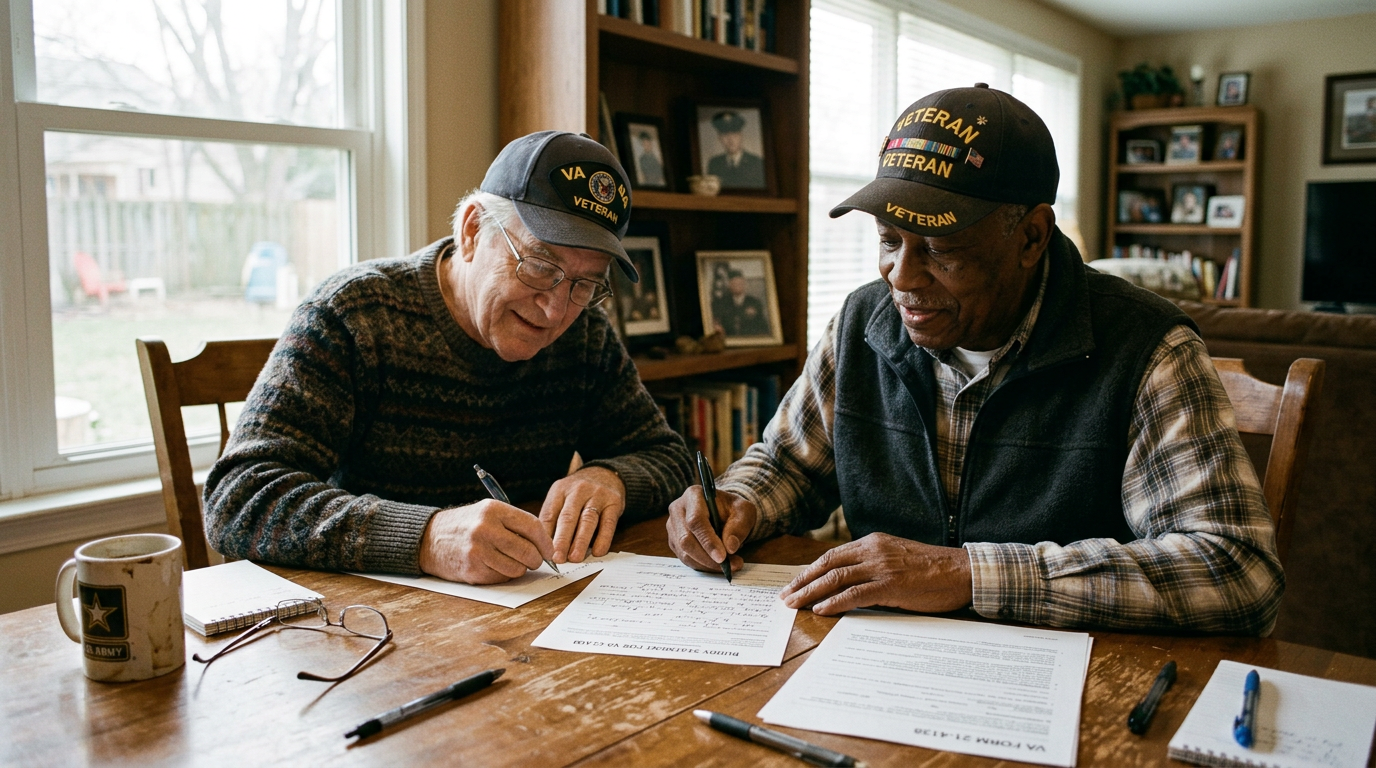
Buddy statements
Statements from members present at the drill or training event who witnessed the injury.
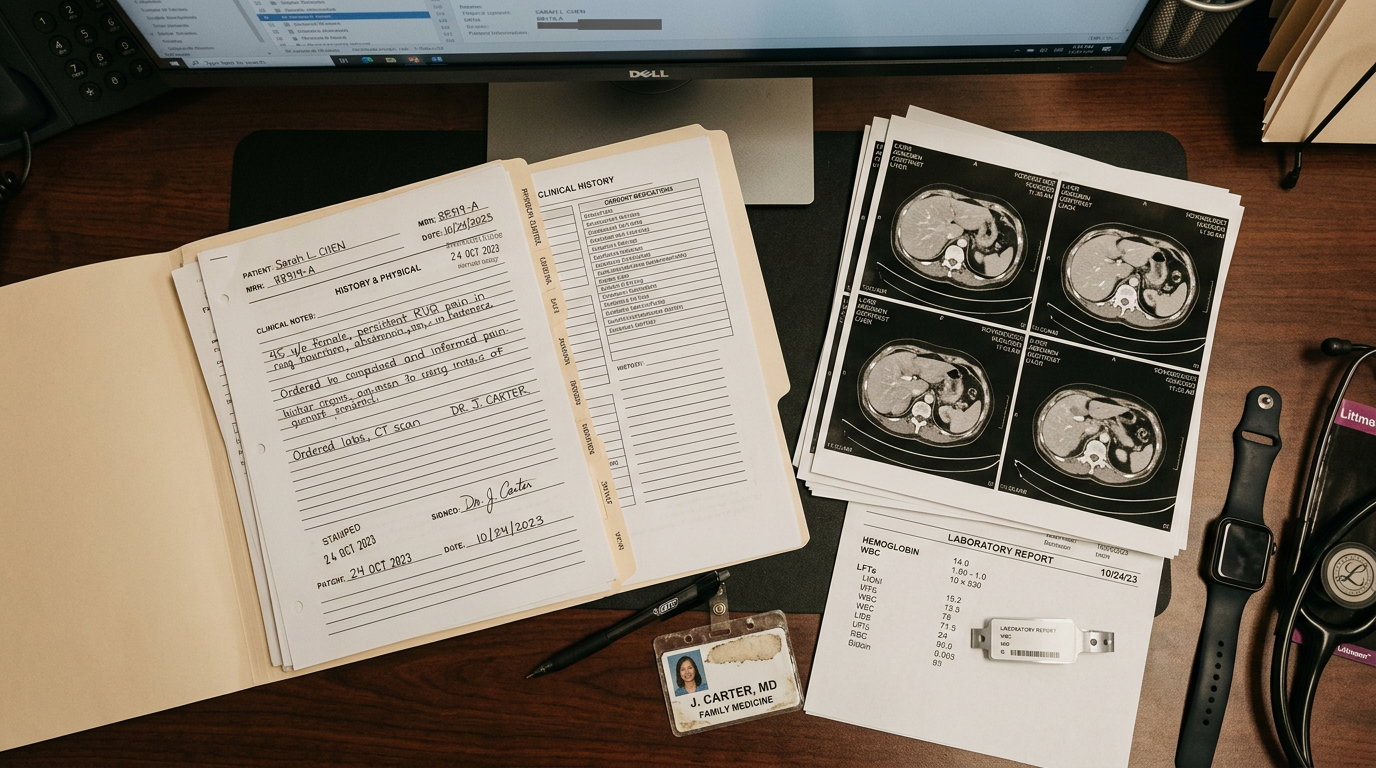
Civilian before-and-after records
Civilian medical records from before and after the duty period, for aggravation claims.
Where the VA Gets This Wrong
The recurring error is treating an INACDUTRA injury as if it were a disease and denying it, or ignoring §3.6(e) when the injury happened traveling to or from drill. Both are correctable on Higher-Level Review as clear misapplications of the regulation.
Building a National Guard & Reserve Veterans Claim That Wins
Every claim stands on three legs. Knock one out and the claim falls over, no matter how bad your symptoms are. Before you file, look at your file and find all three. If one is missing, that is the piece to build first. The VA will not build it for you, and filing without it usually just buys you a denial letter and lost time.
 01
01A current diagnosis
A doctor has to say you have it, now, in writing. Not "reports symptoms of", a diagnosis. Without this leg, nothing else in the file matters.
 02
02A link to your service
An event, an injury, an exposure, or an already service-connected condition. Service records, unit records, buddy statements, and your own account all count as evidence.
 03
03A nexus that ties the two together
A medical opinion stating it is at least as likely as not that your service caused or aggravated the condition. That phrase is a legal standard: 50 percent or better. It is the leg most denials break.
Document the problem before you file
• Keep a dated symptom log for at least 30 days. Frequency, severity, and what it stopped you from doing.
• Get statements from people who see it, a spouse, a coworker, a battle buddy. Lay evidence is legal evidence.
• Pull your private treatment records. The VA only has to help; it does not have to go find everything.
• Write down what you have stopped doing. Lost work, lost sleep, lost activities. That is what impairment looks like on paper.
Your Rights in This Process
Most veterans walk into this system without knowing the rules the VA itself has to follow. That is how claims get denied for missing evidence the VA was supposed to help you find, and how exams get done by the wrong clinician. These six rights are written into federal regulation. Know them before you file, and make the VA honor every one of them when it decides your claim.

It costs nothing to file
Filing a VA claim is free. Accredited representatives may only charge for work on an appeal after an initial decision, and those fees are capped by 38 CFR §14.636.

The VA has a Duty to Assist you
Under 38 CFR §3.159 the VA must help you get the evidence it needs, and it must tell you what is missing before it denies you for missing it.

You can ask for a different examiner
You may request a trauma-informed clinician, or a clinician of a specific gender, for a C&P examination. Ask before the exam is scheduled.

You can claim every condition you have
There is no limit and no penalty. Primary conditions, secondary conditions, and conditions made worse by service all get filed.

You can appeal and be re-evaluated
A denial is not the end. You may submit new evidence, request a higher-level review, appeal to the Board, and ask for re-evaluation when your condition worsens.

You must be considered for TDIU
If your service-connected conditions keep you from holding substantially gainful employment, you may be paid at the 100 percent rate without a 100 percent rating.
When You Are Ready to File
Talk to an accredited representative before you file. It costs nothing to ask, and the order you file in changes what the VA is allowed to award you. Albert L. Thombs Jr. is VA-Accredited Claims Agent #45147. A short conversation now can save you a year spent waiting in the wrong review lane.
Your part starts at the kitchen table. Pull your DD-214, your rating decision if you have one, and the names of every doctor who treats you today. Under 38 CFR 3.159 the VA has to help you gather records, but it can only chase the records you tell it about. Leave a doctor off the 21-4142 and that treatment may never reach your file.

The application itself
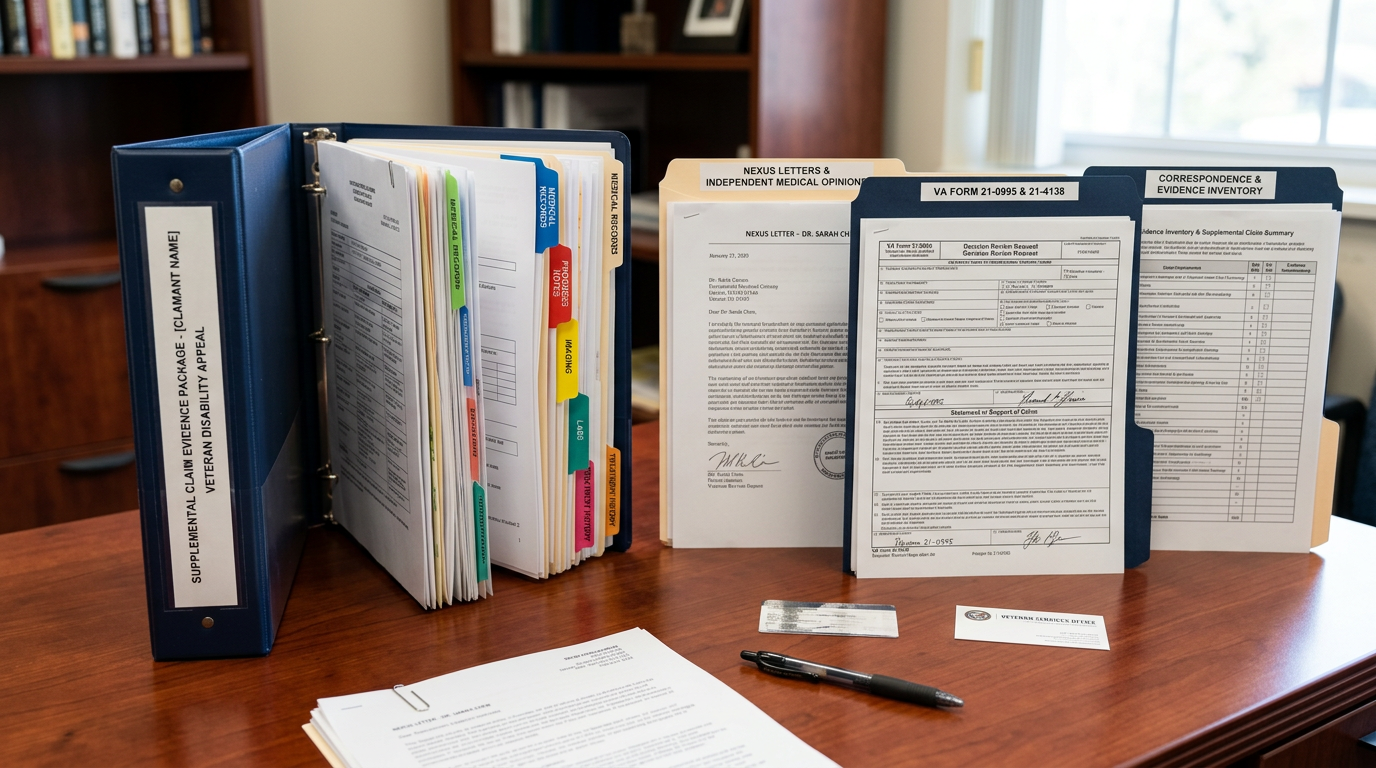
This is the form that opens a disability compensation claim. List every condition you are claiming, and name the secondary conditions explicitly.
Release for private records
Authorises the VA to request records from your private doctors. Without it, treatment outside the VA may never reach your file.
Lay or buddy statement
The official form for your own statement and for statements from people who witnessed the event or the change in you.
Keep Reading
One page never tells the whole story of a claim. The VA rates every condition on its own evidence, its own exam and its own diagnostic code, and the pieces connect in ways most veterans never see until a decision letter lands. These are the pages that pick up where this one stops. Read them before you file, not after a denial, because the cheapest fix in this process is the mistake you never make.

Vietnam Veterans & Agent Orange
Veterans with qualifying Vietnam-era service are presumed exposed to Agent Orange, and a long list of conditions is presumptively service-connected, no nexus required.
Read more
Blue Water Navy Veterans
The Blue Water Navy Vietnam Veterans Act restored Agent Orange presumptions to veterans who served aboard ships in the offshore waters of Vietnam, reversing years of wrongful denials.
Read more
Brown Water Navy Veterans
Brown Water Navy veterans ran the rivers, canals, and harbors of Vietnam, and they have been inside the Agent Orange presumption from the start. The fight was never about them, but the VA still stalls these claims when the paper does not instantly place the boat on an inland waterway.
Read more
Gulf War & PACT Act Veterans
The PACT Act dramatically expanded presumptive conditions for veterans exposed to burn pits and airborne hazards in the Gulf War and post-9/11 conflicts.
Read more