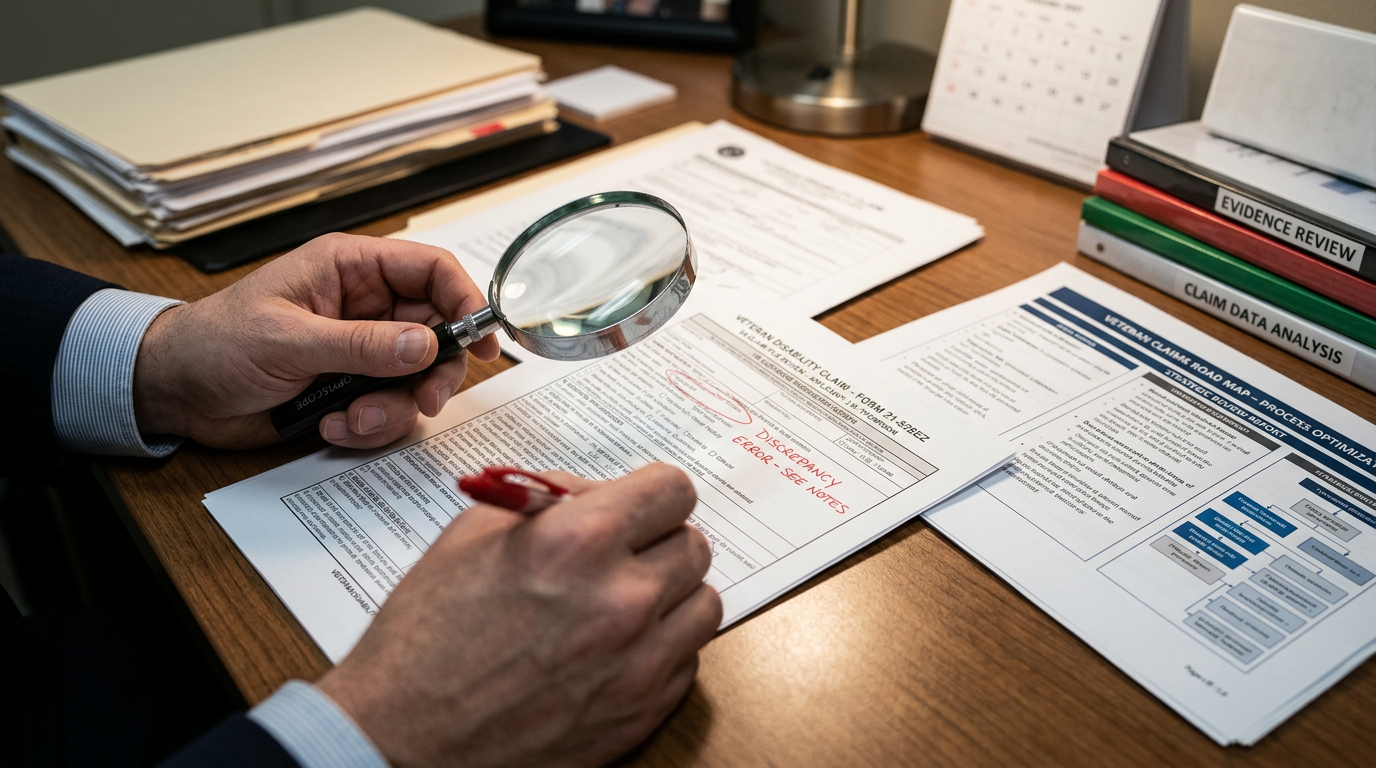

Toxic Exposure
Atomic Veterans & Radiation Exposure
Radiation-exposed veterans under §3.309(d), §3.311, and the PACT Act cleanup missions
Veterans exposed to ionizing radiation, nuclear test participants, Hiroshima/Nagasaki occupation forces, and cleanup crews, have three distinct legal routes to service connection, and most claims fail because only one was argued.
Three Routes, Not One
Radiation claims are unusual because the regulations create three independent paths, and a claim that only argues one is a claim that has thrown away two chances. Most denials we review argued the presumptive route, lost, and stopped.
Route 1, Presumptive under §3.309(d)
If you are a “radiation-exposed veteran” who participated in a radiation-risk activity and you have one of the listed diseases, service connection is presumed. No dose estimate, no nexus opinion required.

Route 2, Radiogenic disease under §3.311
For a broader list of radiogenic diseases, the VA must obtain a dose estimate and refer the claim to the Under Secretary for Benefits for an opinion on whether it is at least as likely as not that the exposure caused the disease. This is not a presumption, it is a mandatory development procedure the VA often skips.

Route 3, Direct under §3.303(d)
Any disease, presumptive or not, can be service-connected directly with evidence of exposure and a competent medical nexus. *Combee v. Brown* confirms the presumptions do not foreclose this route.
Who Is a Radiation-Exposed Veteran
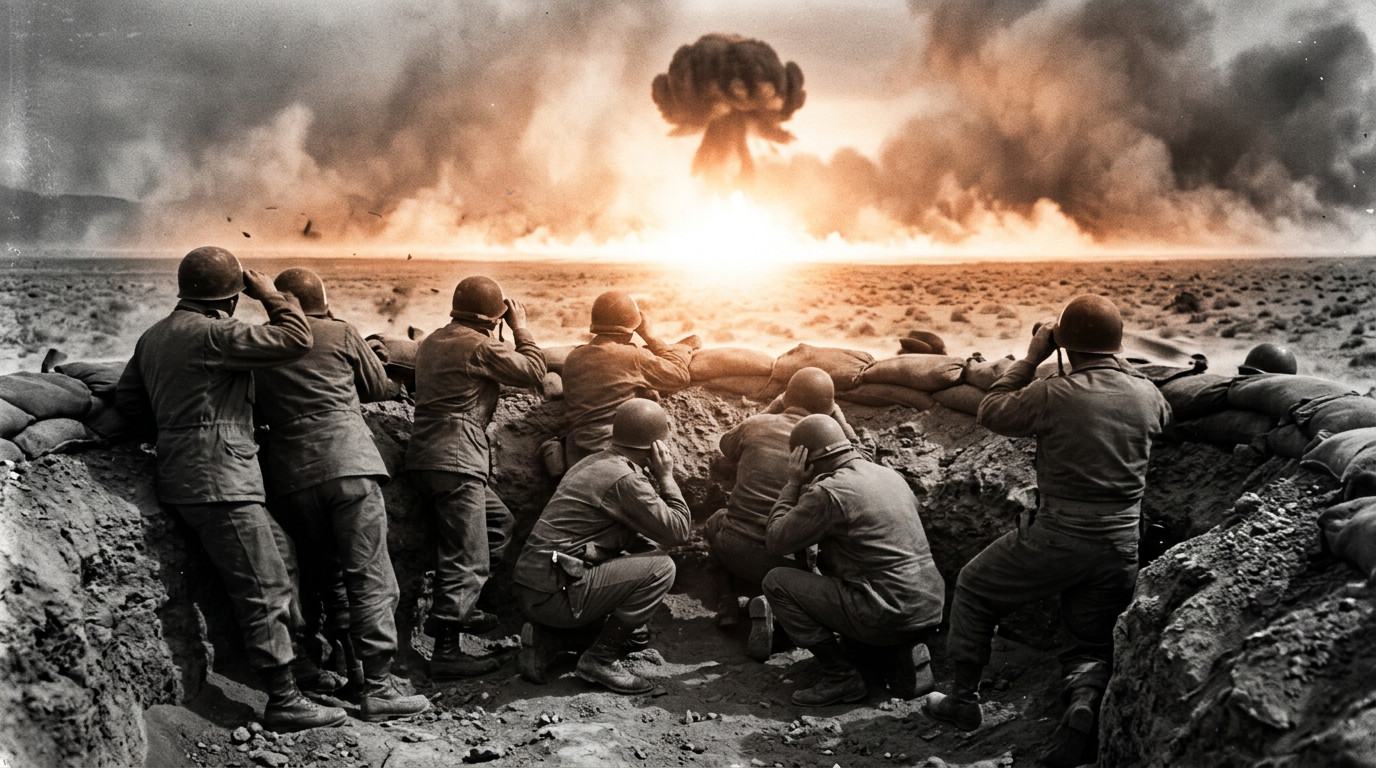
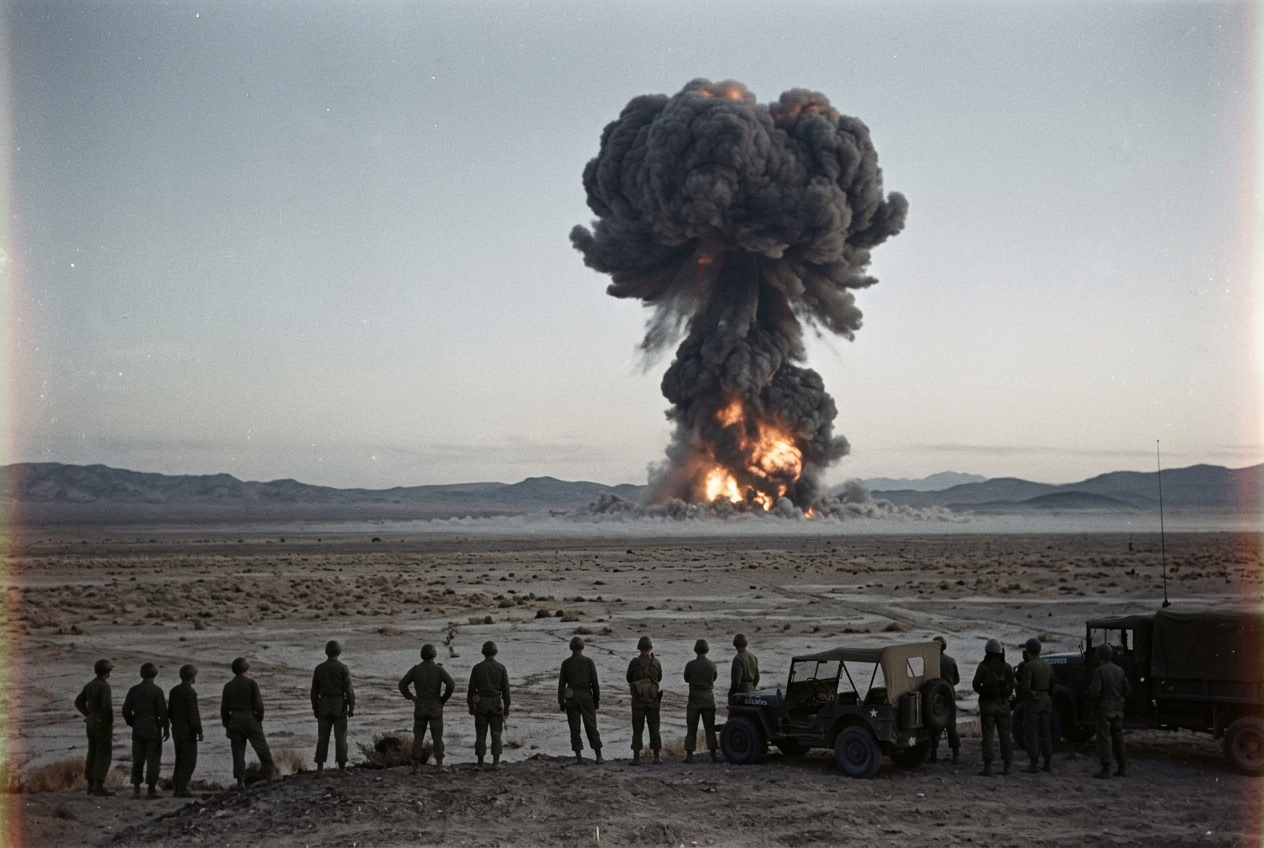
Atmospheric nuclear test participant
Participation in an atmospheric nuclear test, Operations CROSSROADS, SANDSTONE, GREENHOUSE, IVY, CASTLE, TEAPOT, REDWING, HARDTACK, DOMINIC, and others.
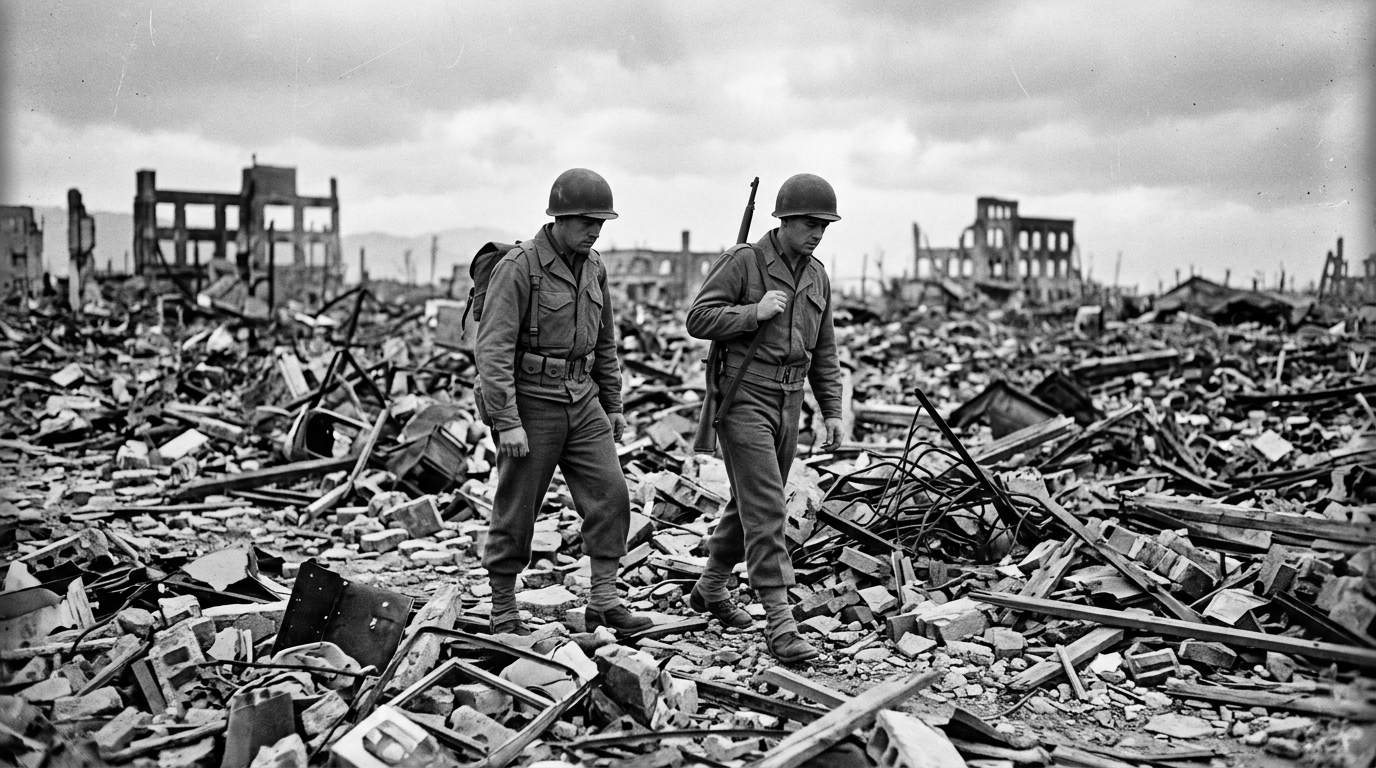
Hiroshima or Nagasaki occupation
Occupation forces at Hiroshima or Nagasaki between Aug 6, 1945 and July 1, 1946.
Prisoner of war in Japan
Prisoner of war in Japan with opportunity for exposure comparable to the occupation forces.

Gaseous diffusion plant service
Service at gaseous diffusion plants at Paducah, Portsmouth, or Oak Ridge (K-25) for at least 250 days.
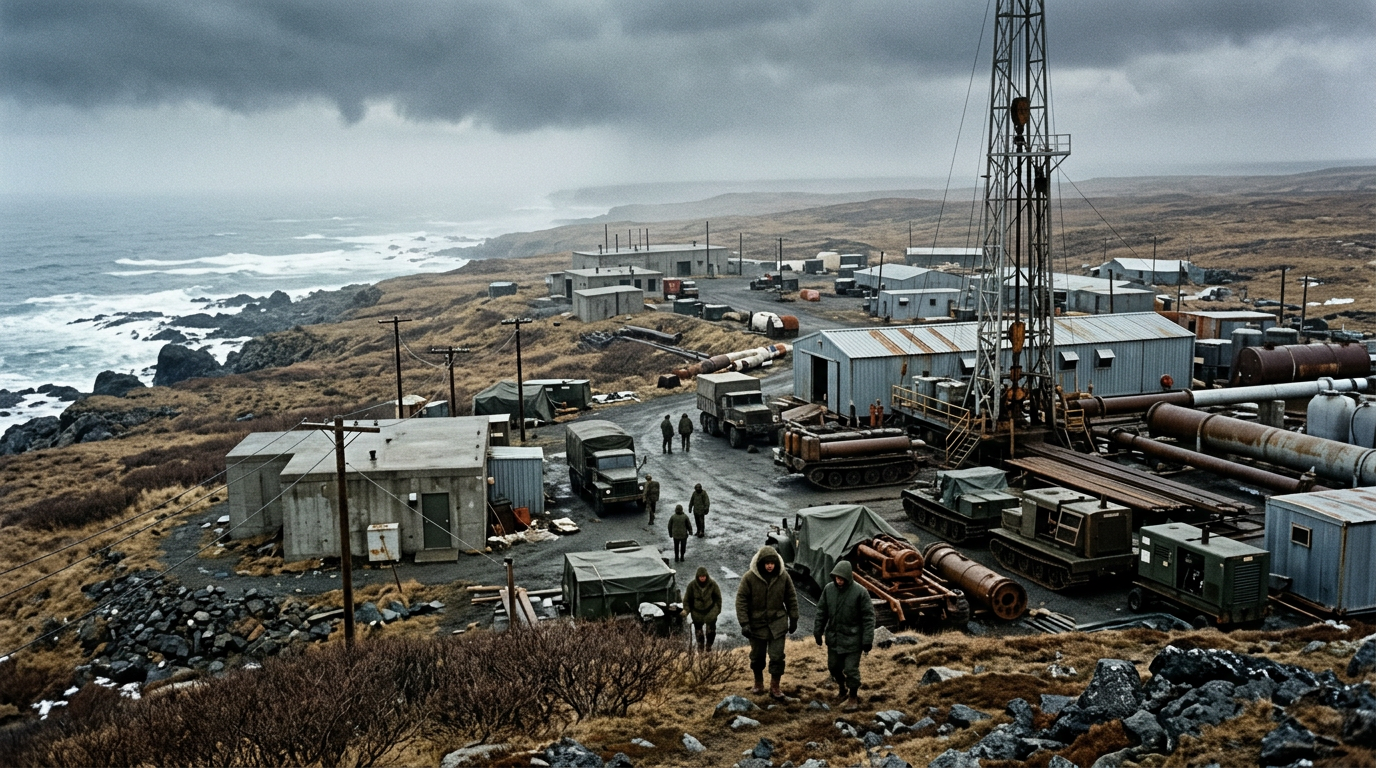
Amchitka Island, Alaska
Service at Amchitka Island, Alaska before Jan 1, 1974 during underground nuclear testing.
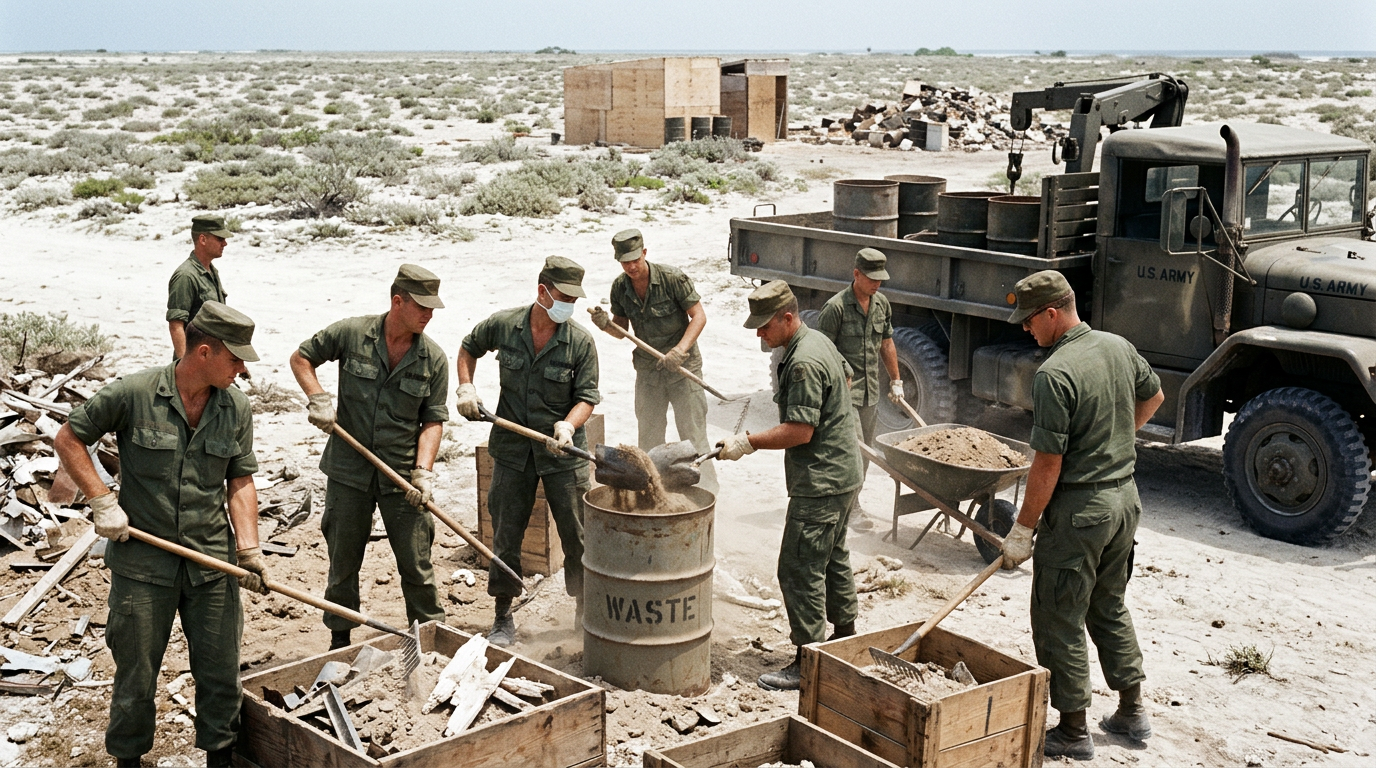
PACT Act cleanup missions
Cleanup of Enewetak Atoll (1977–1980), Palomares, Spain (1966–1967), or Thule Air Base, Greenland (1968), added by the PACT Act.
Presumptive Diseases Under §3.309(d)

Leukemia (other than chronic lymphocytic leukemia)

Cancer of the thyroid, breast, pharynx, esophagus, stomach, small intestine, pancreas

Multiple myeloma; lymphomas other than Hodgkin’s disease

Cancer of the bile ducts, gall bladder, liver (unless cirrhosis or hepatitis B is indicated)

Cancer of the salivary gland, urinary tract, bone, brain, colon, lung, ovary

Bronchiolo-alveolar carcinoma
The §3.311 Development the VA Skips
Section 3.311 is a procedural mandate, not an option. When a veteran claims a radiogenic disease and alleges radiation exposure during service, the VA is required to obtain a dose assessment, from the Defense Threat Reduction Agency for test participants, or from service records for occupational exposure, and then refer the claim for an advisory medical opinion considering the dose, the latency period, the veteran’s age at exposure, and other risk factors.
When a decision denies a radiogenic disease claim without any dose estimate in the file and without a §3.311 referral, the VA has failed its own duty to assist. That is a procedural defect, and procedural defects are precisely what Higher-Level Review exists to fix.

The Advocate’s Take
If your denial letter never mentions a dose estimate, the VA almost certainly skipped work it was required to do. That is not a medical loss. That is a duty-to-assist error, and duty-to-assist errors are fixable.
Here is how the VA looks at it. There are two radiation lanes, and they work very differently. Lane one is the presumptive lane under 38 CFR 3.309(d). If you took part in a radiation-risk activity, such as atmospheric nuclear testing, the occupation of Hiroshima or Nagasaki, certain POW service in Japan, Amchitka Island, the gaseous diffusion plants, or the cleanups the PACT Act added like Enewetak, Palomares, and Thule, and you have one of the listed cancers, the link is presumed. Lane two is 38 CFR 3.311 for any other radiogenic disease. That lane requires the VA to get a dose estimate, usually from the Defense Threat Reduction Agency, and then send the case for a medical review of whether the dose likely caused the disease.
What I need from you: your DD-214, your personnel file, unit and ship names, dates and places of duty, any dosimetry badges or records you remember, and your diagnosis in writing. Buddy statements that put you at a test site or cleanup are valuable, because these records are old and often incomplete.
Walk through it with me. First, we file an Intent to File, VA Form 21-0966, to lock your effective date. Second, we prove participation in a radiation-risk activity. Third, we check whether your condition is on the presumptive list. If it is, we claim it there. If it is not, we demand full §3.311 development: the dose estimate, the referral, and the medical review. If the VA skipped any step, we point to the exact rule it broke.
The pitfalls: veterans told their cancer "is not on the list" and sent home, as if §3.311 did not exist. Shocking, I know. Others never prove participation because the unit records burned or were never kept. Lay evidence under §3.159 counts, and the benefit of the doubt under §3.102 applies.
Your part: write down every place, date, and duty you remember, find anyone who served with you, and get your diagnosis on paper. We work WITH you, not FOR you. You stood near something most people only read about. Let's make the VA do its job.
Evidence That Wins Radiation Claims
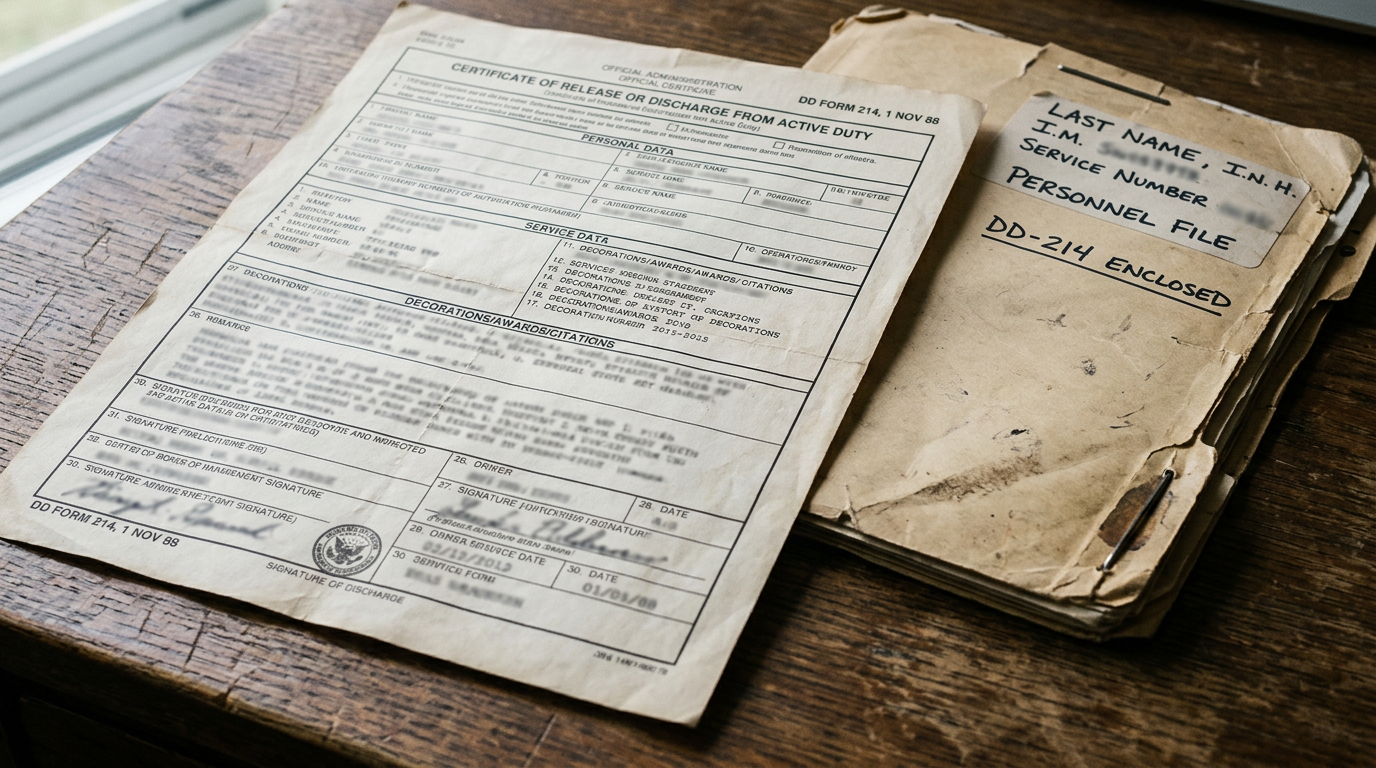
DD Form 1141
Record of Occupational Exposure to Ionizing Radiation, if one exists in your service file.

DD-214 and orders
DD-214 and orders establishing test participation or occupation-force service.
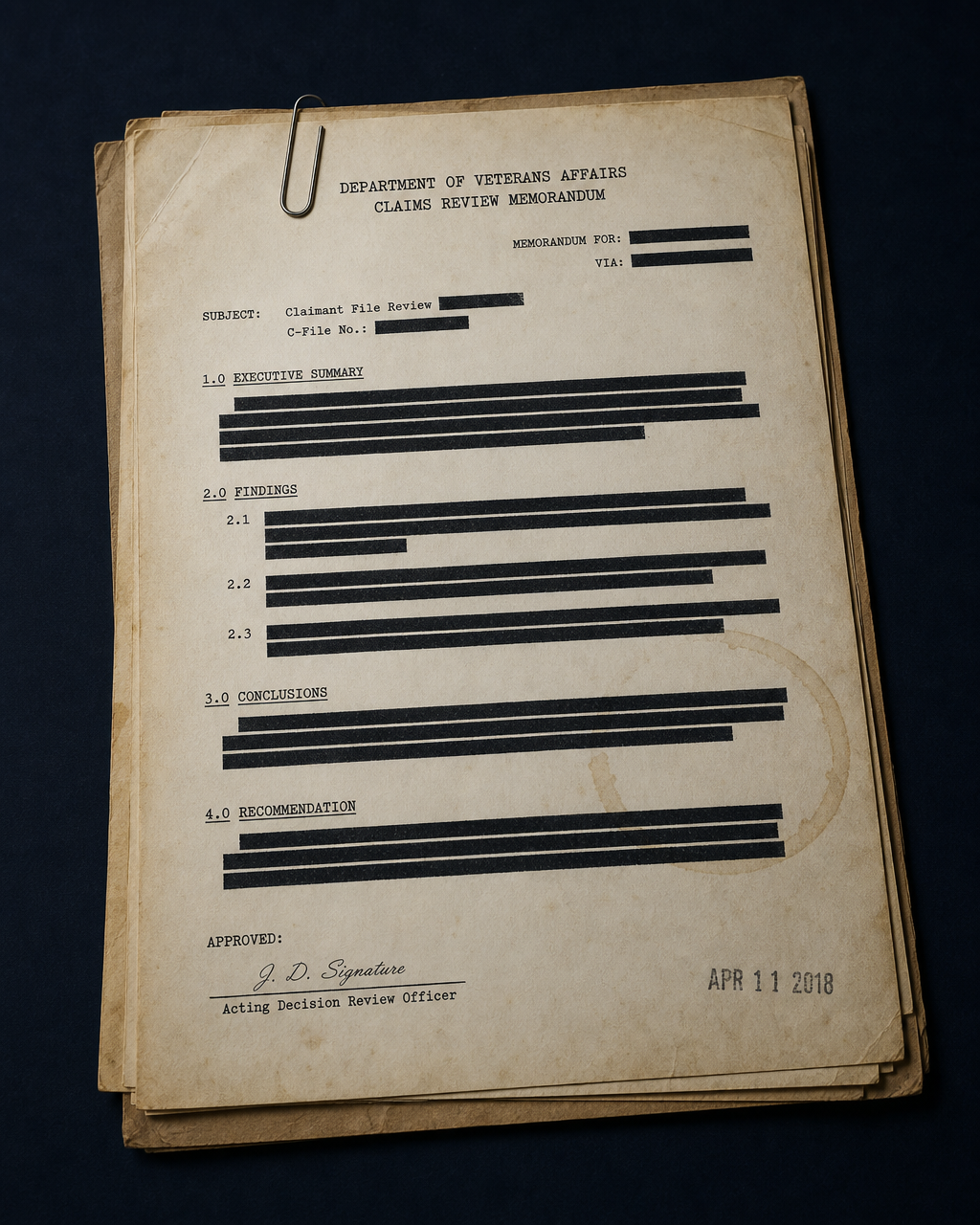
DTRA dose reconstruction
A DTRA dose reconstruction, or a request that one be obtained, so the dose is actually in the file.

Unit assignment records
Unit assignment records for cleanup missions at Enewetak, Palomares, or Thule.

Pathology reports
Pathology reports establishing the specific diagnosis and the date it was made.
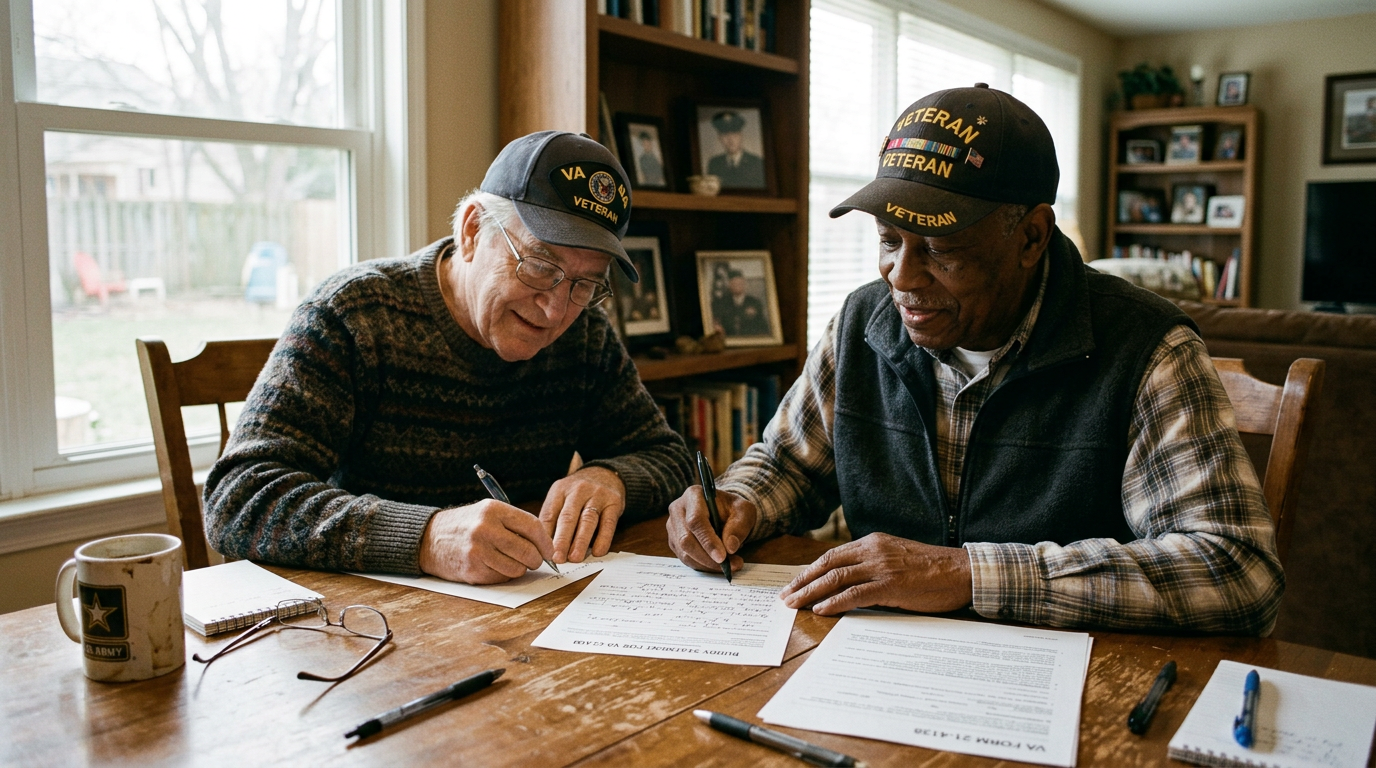
Exposure statements
Statements describing your proximity, duties, and any protective measures, or their absence.
Where the VA Gets This Wrong
Denials routinely conclude “dose too low to have caused the disease” using a reconstructed estimate that the veteran never had the chance to rebut. Under §3.311(c) the dose is one factor among several, latency, age at exposure, and other risk factors must also be weighed, and often were not.
Building a Atomic Veterans & Radiation Exposure Claim That Wins
Every claim stands on three legs. Knock one out and the claim falls over, no matter how bad your symptoms are. Before you file, look at your file and find all three. If one is missing, that is the piece to build first. The VA will not build it for you, and filing without it usually just buys you a denial letter and lost time.
 01
01A current diagnosis
A doctor has to say you have it, now, in writing. Not "reports symptoms of", a diagnosis. Without this leg, nothing else in the file matters.
 02
02A link to your service
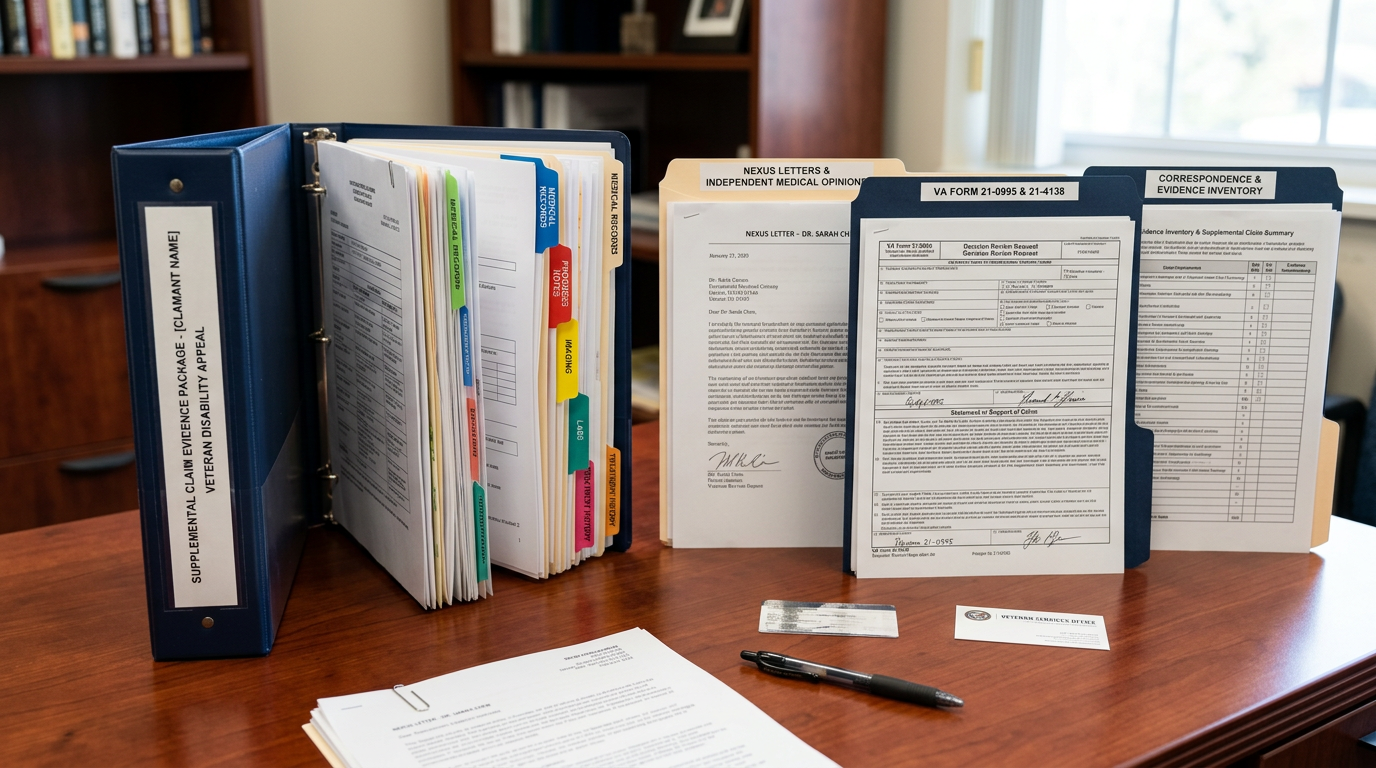
An event, an injury, an exposure, or an already service-connected condition. Service records, unit records, buddy statements, and your own account all count as evidence.
 03
03A nexus that ties the two together
A medical opinion stating it is at least as likely as not that your service caused or aggravated the condition. That phrase is a legal standard: 50 percent or better. It is the leg most denials break.
Document the problem before you file
• Keep a dated symptom log for at least 30 days. Frequency, severity, and what it stopped you from doing.
• Get statements from people who see it, a spouse, a coworker, a battle buddy. Lay evidence is legal evidence.
• Pull your private treatment records. The VA only has to help; it does not have to go find everything.
• Write down what you have stopped doing. Lost work, lost sleep, lost activities. That is what impairment looks like on paper.
Your Rights in This Process
Most veterans walk into this system without knowing the rules the VA itself has to follow. That is how claims get denied for missing evidence the VA was supposed to help you find, and how exams get done by the wrong clinician. These six rights are written into federal regulation. Know them before you file, and make the VA honor every one of them when it decides your claim.

It costs nothing to file
Filing a VA claim is free. Accredited representatives may only charge for work on an appeal after an initial decision, and those fees are capped by 38 CFR §14.636.

The VA has a Duty to Assist you
Under 38 CFR §3.159 the VA must help you get the evidence it needs, and it must tell you what is missing before it denies you for missing it.

You can ask for a different examiner
You may request a trauma-informed clinician, or a clinician of a specific gender, for a C&P examination. Ask before the exam is scheduled.

You can claim every condition you have
There is no limit and no penalty. Primary conditions, secondary conditions, and conditions made worse by service all get filed.

You can appeal and be re-evaluated
A denial is not the end. You may submit new evidence, request a higher-level review, appeal to the Board, and ask for re-evaluation when your condition worsens.

You must be considered for TDIU
If your service-connected conditions keep you from holding substantially gainful employment, you may be paid at the 100 percent rate without a 100 percent rating.
When You Are Ready to File
Talk to an accredited representative before you file. It costs nothing to ask, and the order you file in changes what the VA is allowed to award you. Albert L. Thombs Jr. is VA-Accredited Claims Agent #45147. A short conversation now can save you a year spent waiting in the wrong review lane.
Your part starts at the kitchen table. Pull your DD-214, your rating decision if you have one, and the names of every doctor who treats you today. Under 38 CFR 3.159 the VA has to help you gather records, but it can only chase the records you tell it about. Leave a doctor off the 21-4142 and that treatment may never reach your file.

The application itself
This is the form that opens a disability compensation claim. List every condition you are claiming, and name the secondary conditions explicitly.
Release for private records
Authorises the VA to request records from your private doctors. Without it, treatment outside the VA may never reach your file.
Lay or buddy statement
The official form for your own statement and for statements from people who witnessed the event or the change in you.
Keep Reading
One page never tells the whole story of a claim. The VA rates every condition on its own evidence, its own exam and its own diagnostic code, and the pieces connect in ways most veterans never see until a decision letter lands. These are the pages that pick up where this one stops. Read them before you file, not after a denial, because the cheapest fix in this process is the mistake you never make.
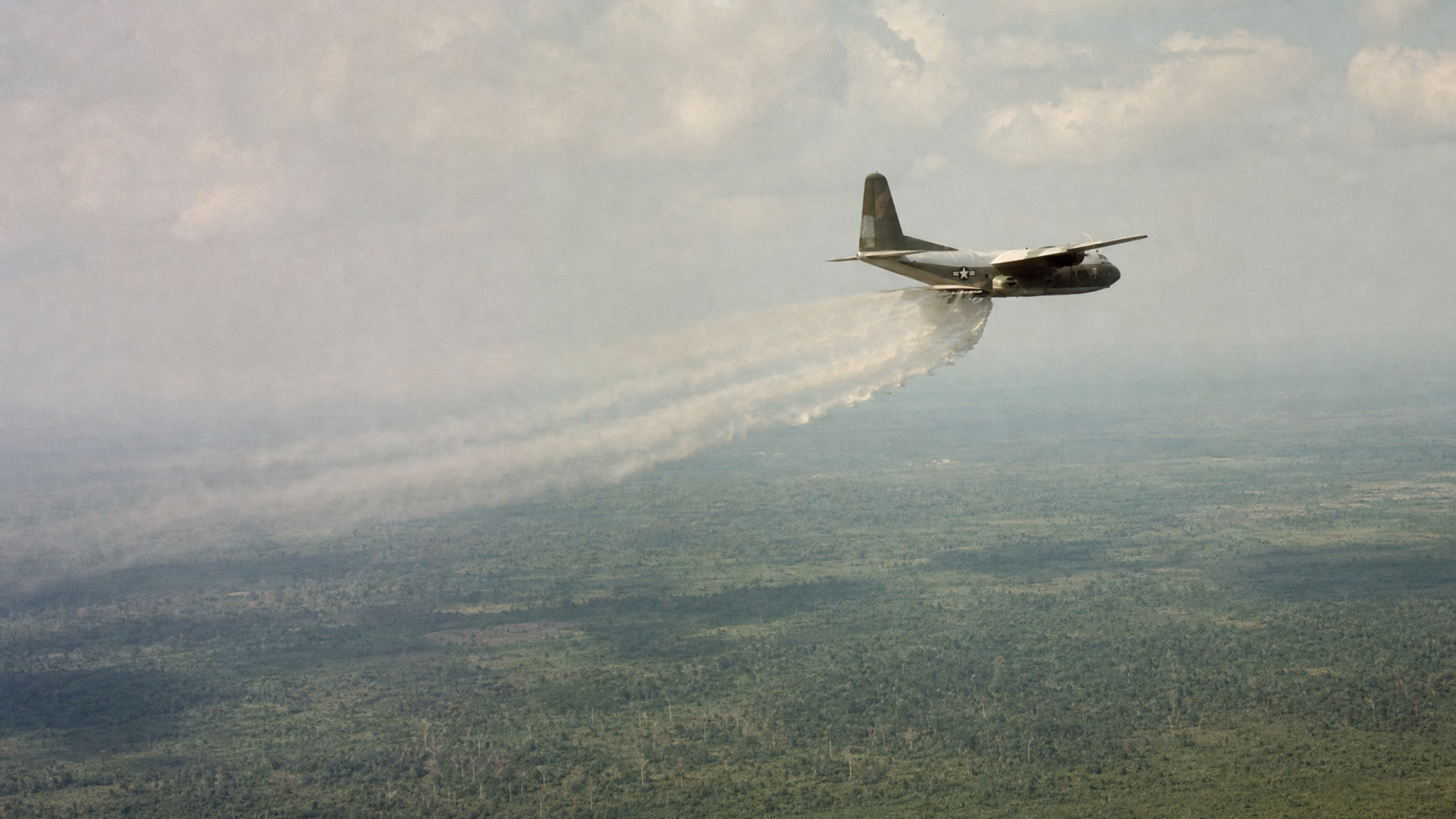
Vietnam Veterans & Agent Orange
Veterans with qualifying Vietnam-era service are presumed exposed to Agent Orange, and a long list of conditions is presumptively service-connected, no nexus required.
Read more
Blue Water Navy Veterans
The Blue Water Navy Vietnam Veterans Act restored Agent Orange presumptions to veterans who served aboard ships in the offshore waters of Vietnam, reversing years of wrongful denials.
Read more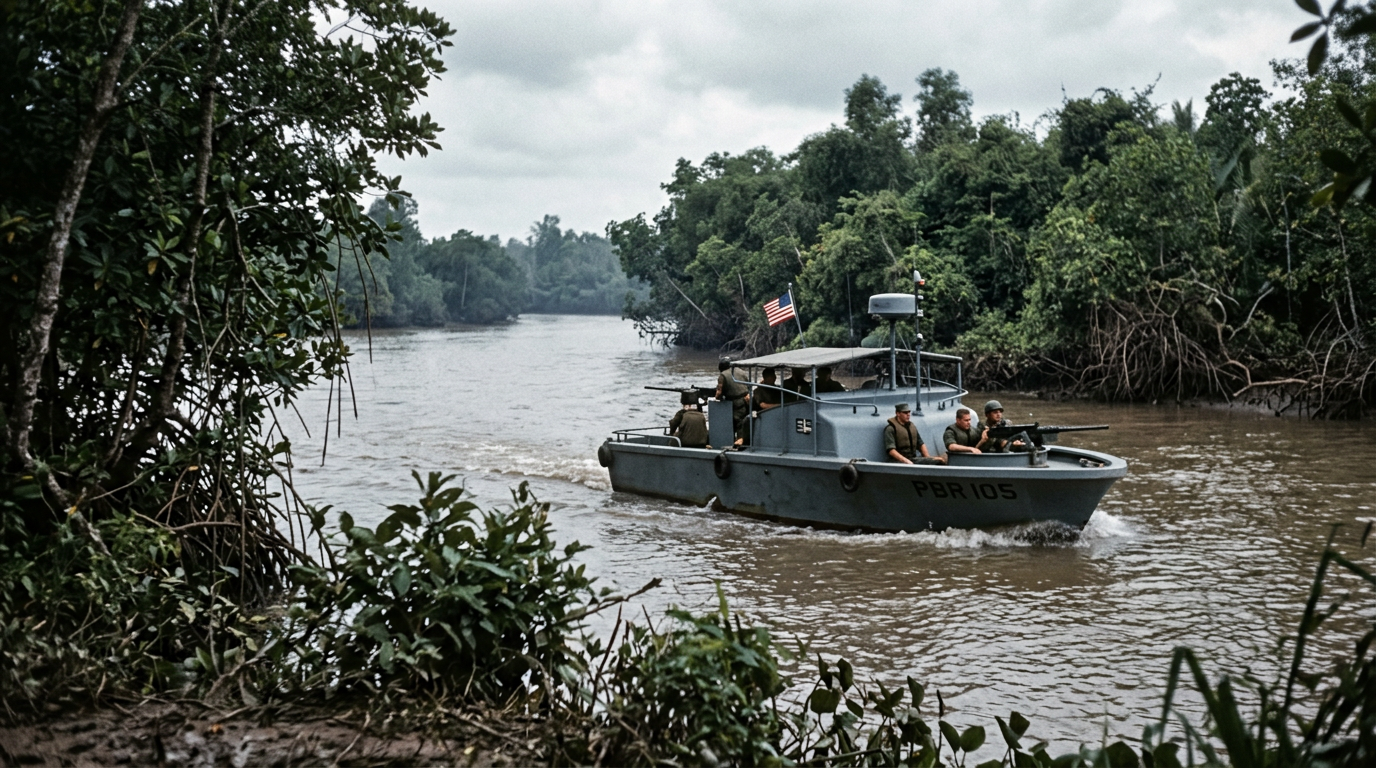
Brown Water Navy Veterans
Brown Water Navy veterans ran the rivers, canals, and harbors of Vietnam, and they have been inside the Agent Orange presumption from the start. The fight was never about them, but the VA still stalls these claims when the paper does not instantly place the boat on an inland waterway.
Read more
Gulf War & PACT Act Veterans
The PACT Act dramatically expanded presumptive conditions for veterans exposed to burn pits and airborne hazards in the Gulf War and post-9/11 conflicts.
Read more