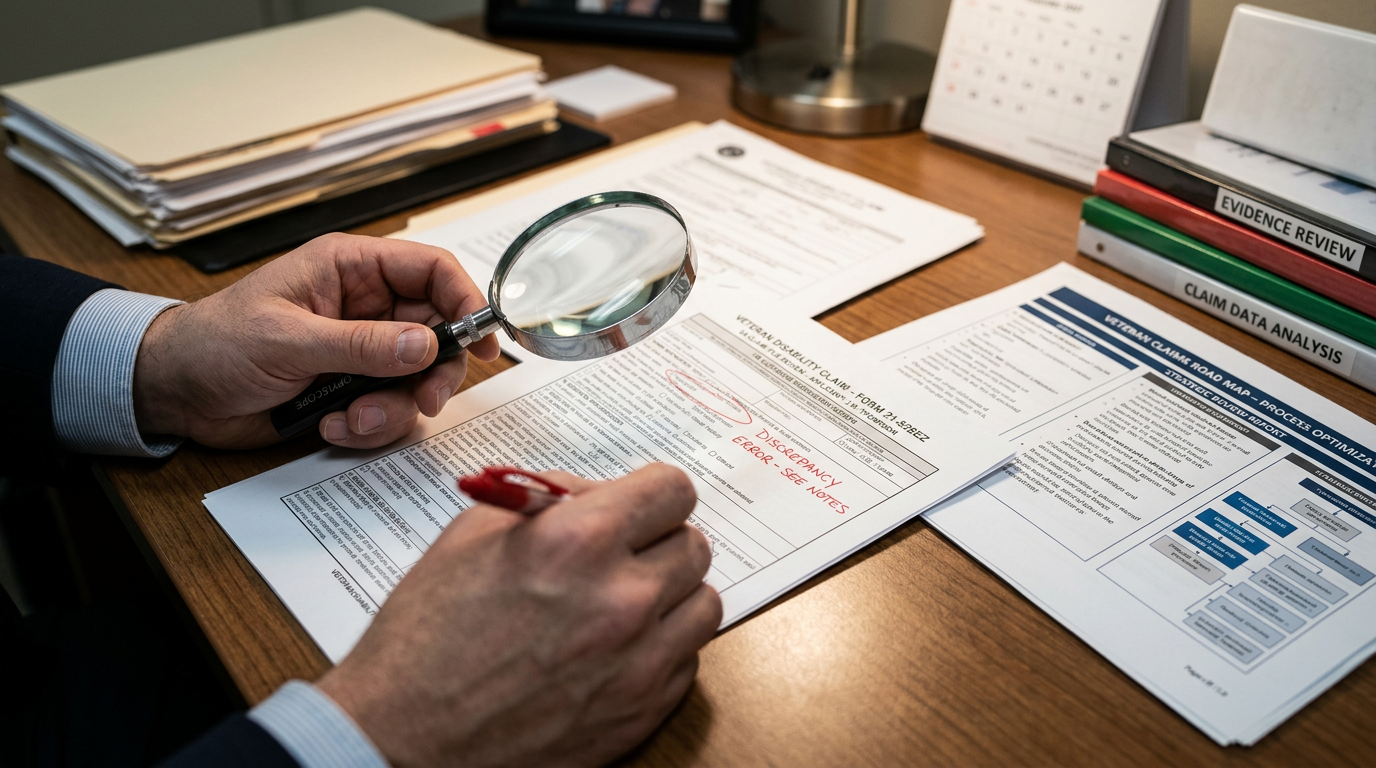
An Intent to File freezes your effective date while you build your claim. Skipping it is one of the most expensive mistakes a veteran can make.
If I could get every veteran to do one thing before they do anything else, it would be this: file an Intent to File. It is short, it is free, and it can be worth thousands of dollars.
What it does
An Intent to File establishes a placeholder effective date. Once it is on record, you generally have up to a year to complete and submit your actual claim, and if you do, your effective date reaches back to the Intent to File date, not the day you finally finished the paperwork.
Why the date is money
VA back pay runs from your effective date. Every month you protect on the front end is a month of retroactive compensation on the back end. Veterans who spend six months gathering evidence without an Intent to File often give away six months of pay for no reason.
File the Intent to File first. Then build the claim right.
Effective-date and back-pay rules are governed by 38 CFR §3.400 and the procedural development standards in M21-1, Part III, Subpart iv, Chapter 7 (Effective Dates). Raters are required to review the entire claims file to identify the earliest date an informal or formal claim was received and the earliest date entitlement arose, whichever is later controls the effective date. Under Rice v. Shinseki, a claim for TDIU is part of the underlying disability claim, meaning the effective date for TDIU should trace back to the original filing when the evidence supports it. If the VA assigned an effective date later than the claim date without explanation, that is a clear factual error subject to challenge.