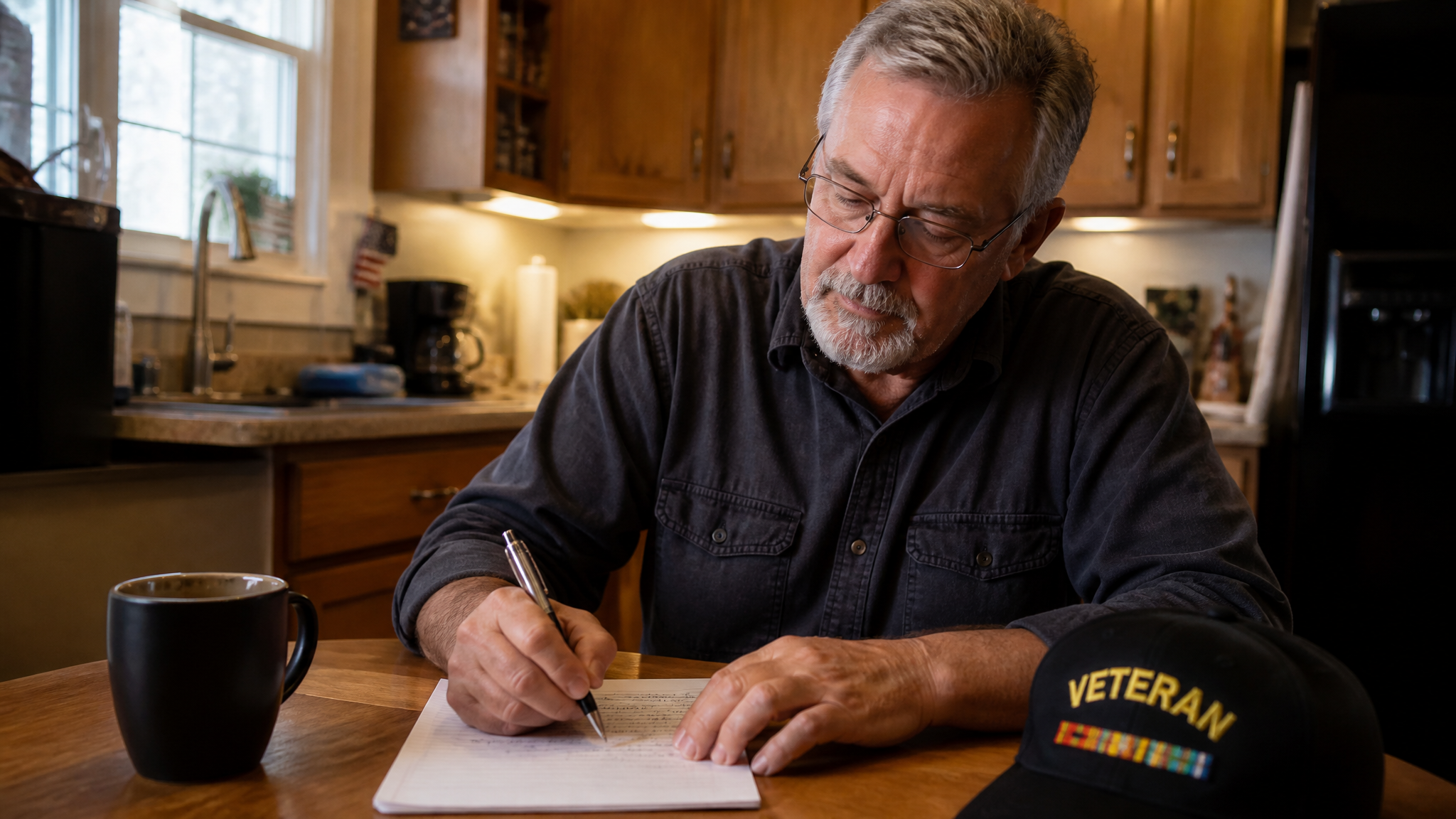
You do not need a medical degree to describe what you lived. Lay evidence, your words and your buddies', can decide a claim.
Veterans assume only doctors and documents count. Not true. Lay evidence, statements from you and people who witnessed your service or your symptoms, is competent evidence, and sometimes it is the evidence that wins.
What you are competent to say
You can describe what you experienced and observed: the injury, the exposure, the pain, the sleepless nights, the changes your family saw. You do not need medical training to report symptoms you can feel and events you lived through.
Where lay evidence carries the claim
- Establishing an in-service event the records do not show
- Documenting continuity of symptoms since service
- Corroborating stressors for PTSD, including MST
The key is credibility and detail. A specific, consistent account, backed by buddy statements, can fill the exact gap the record left open. Do not undersell your own testimony.
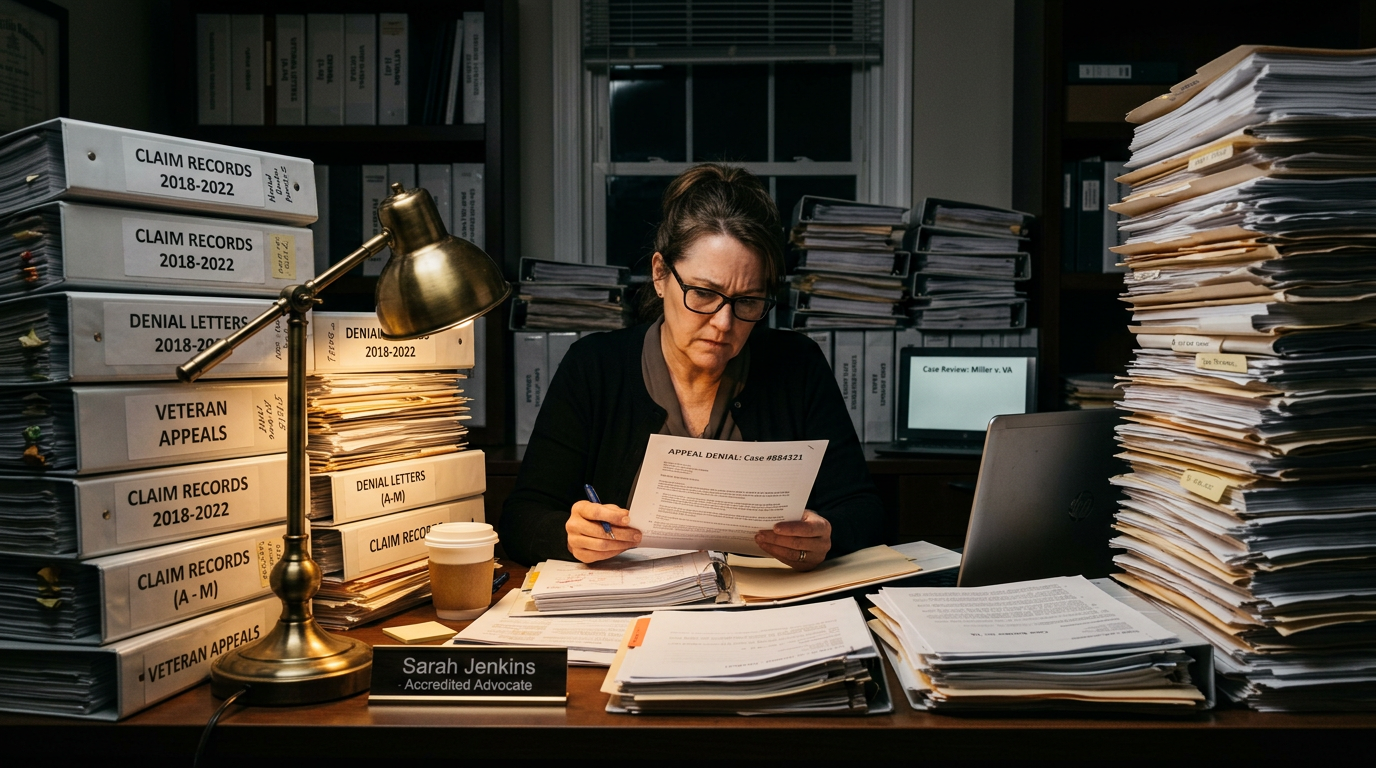
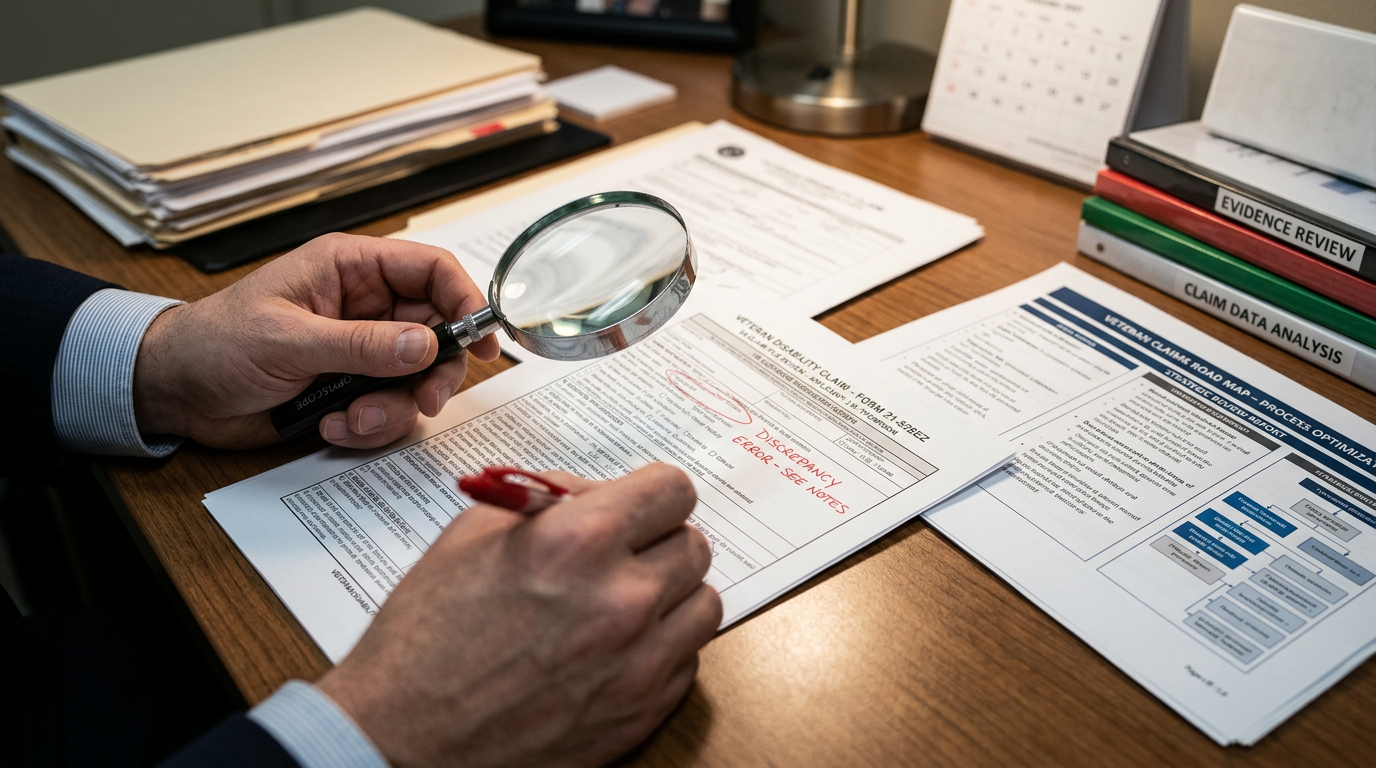
The VA's obligation to develop evidence is codified in 38 CFR §3.159 and operationalized in M21-1, Part IV, Subpart i, Chapter 1 (Duty to Assist with Providing a Medical Examination or Opinion). Under this regulation, the VA must obtain federal records (service treatment records, VA medical records, Social Security records) and make reasonable efforts to obtain private records when the veteran authorizes their release. Under Colvin v. Derwinski, the VA cannot reject competent medical evidence in favor of its own unqualified judgment. Buddy statements and lay evidence carry legal weight under Jandreau v. Nicholson, lay testimony is competent to establish observable symptoms and continuity of symptomatology, even without a medical degree.