When your service records are silent, the people who served beside you can put the event back in the record.
Not every injury made it into a service treatment record. Combat, field conditions, and the culture of “rubbing some dirt on it” left gaps in millions of files. Buddy statements fill those gaps with first-hand testimony.
Who can write one
Anyone with direct knowledge, a fellow service member, a spouse, a family member. They are competent to describe what they personally saw: the injury, the change in your behavior, the symptoms over the years.
How to make it credible
The VA has to weigh lay evidence. Under 38 CFR §3.159(a)(2), a person is competent to describe what they saw and heard with their own senses. What sinks a buddy statement is guessing, exaggerating or copying someone else's wording. Your part is picking witnesses who actually saw it and letting them write it in their own words.
- Stick to what the writer personally observed
- Include specific dates, places, and details
- Describe the change over time, before service, during, and after
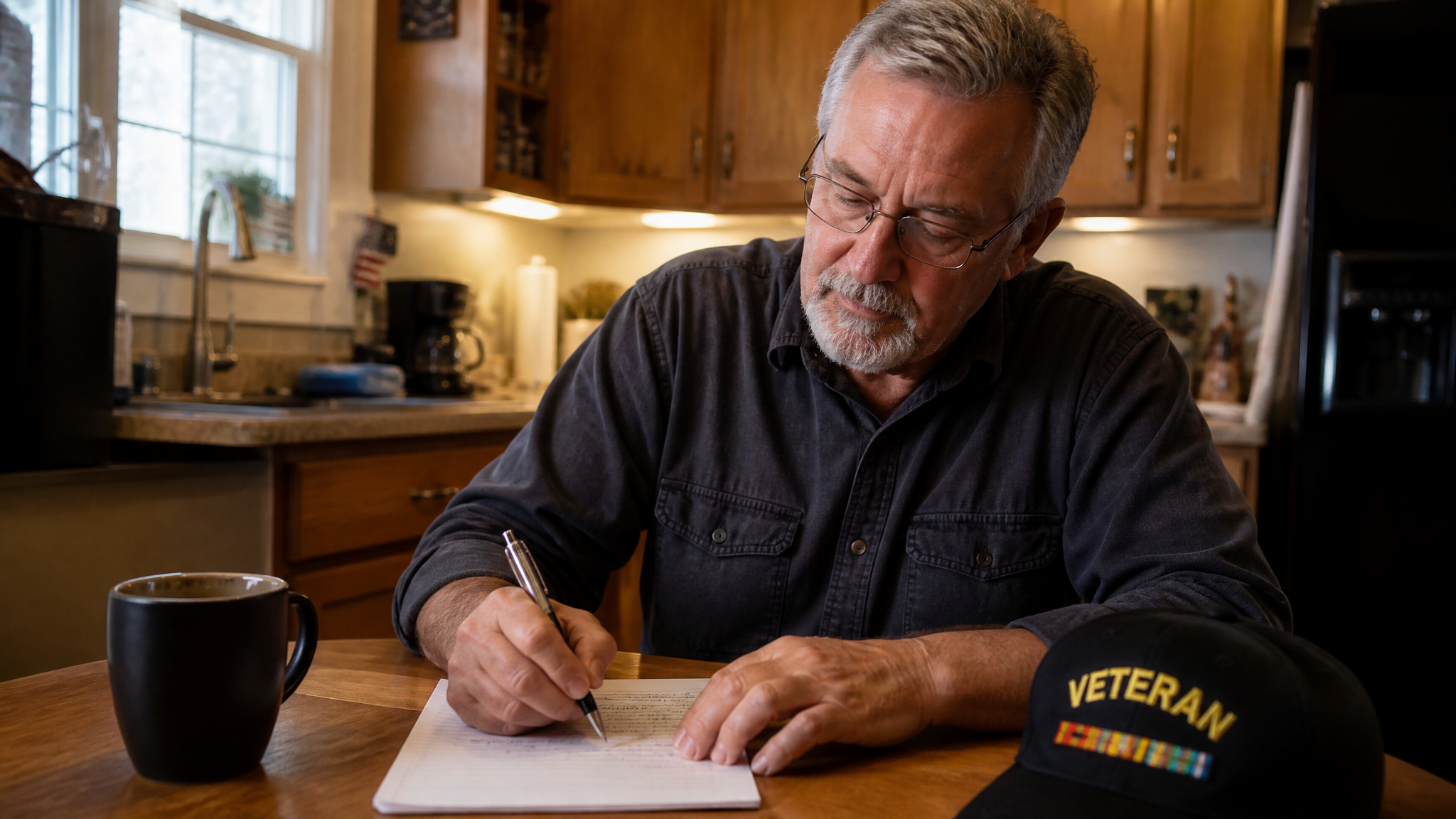
- Sign and date it; VA Form 21-10210 is built for this
A single credible buddy statement has re-established in-service events the VA claimed never happened.
The regulatory authority behind toxic-exposure claims lives in M21-1, Part IV, Subpart ii, Chapter 2, Section C (Service Connection for Disabilities Resulting from Exposure to Environmental Hazards). This section governs how raters develop and adjudicate toxic-exposure claims, including burn-pit, Agent Orange, contaminated-water, and radiation claims, and cross-references the PACT Act's conceded-exposure framework under 38 U.S.C. §1168 (TERA). When a C&P examiner renders a negative nexus opinion without addressing the documented exposure pathway, that opinion is inadequate under Barr v. Nicholson, and raters are required to return it for a supplemental opinion. Veterans who receive a denial after a cursory exam should cite the specific M21-1 development procedures the rater failed to follow.