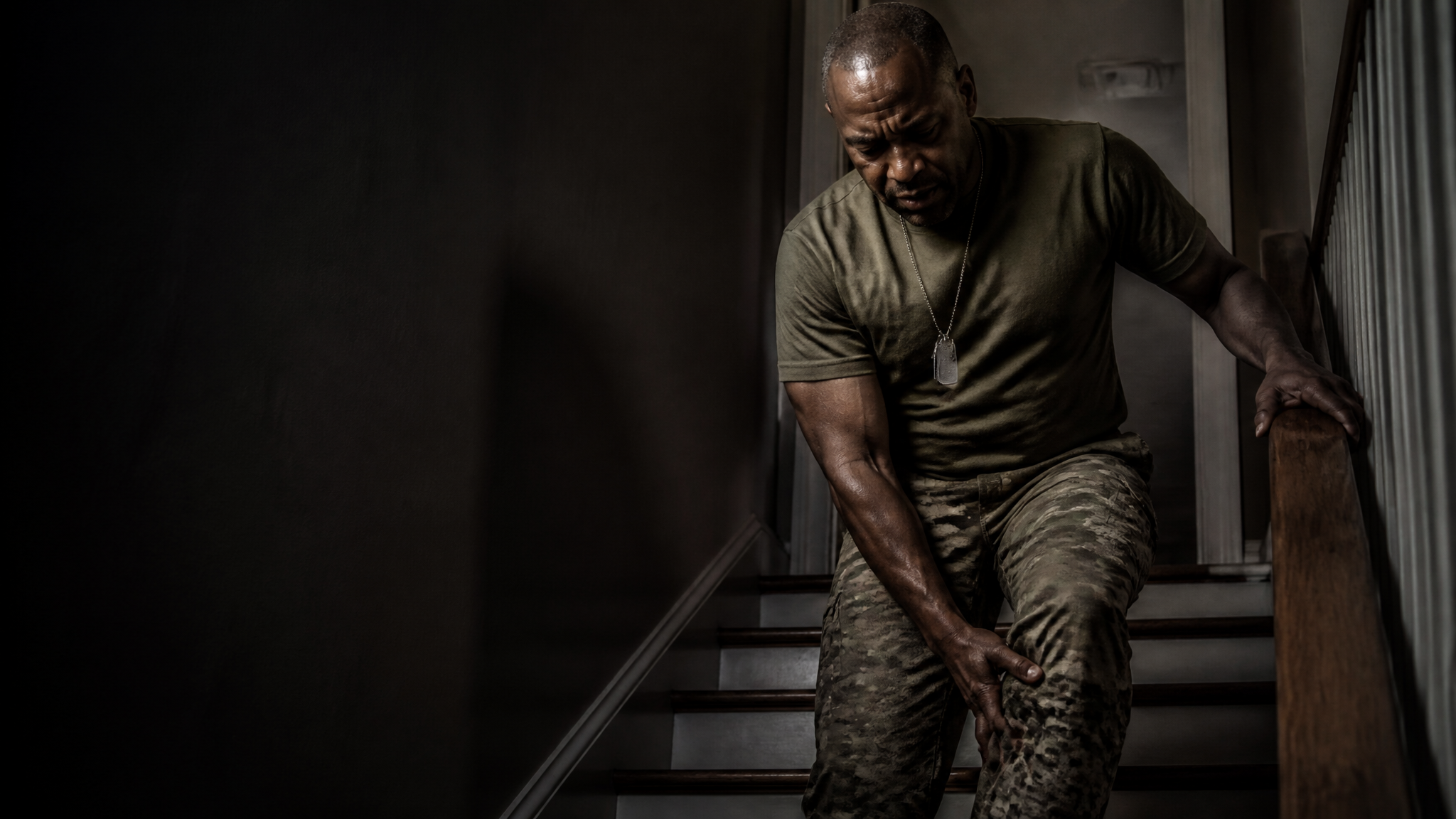
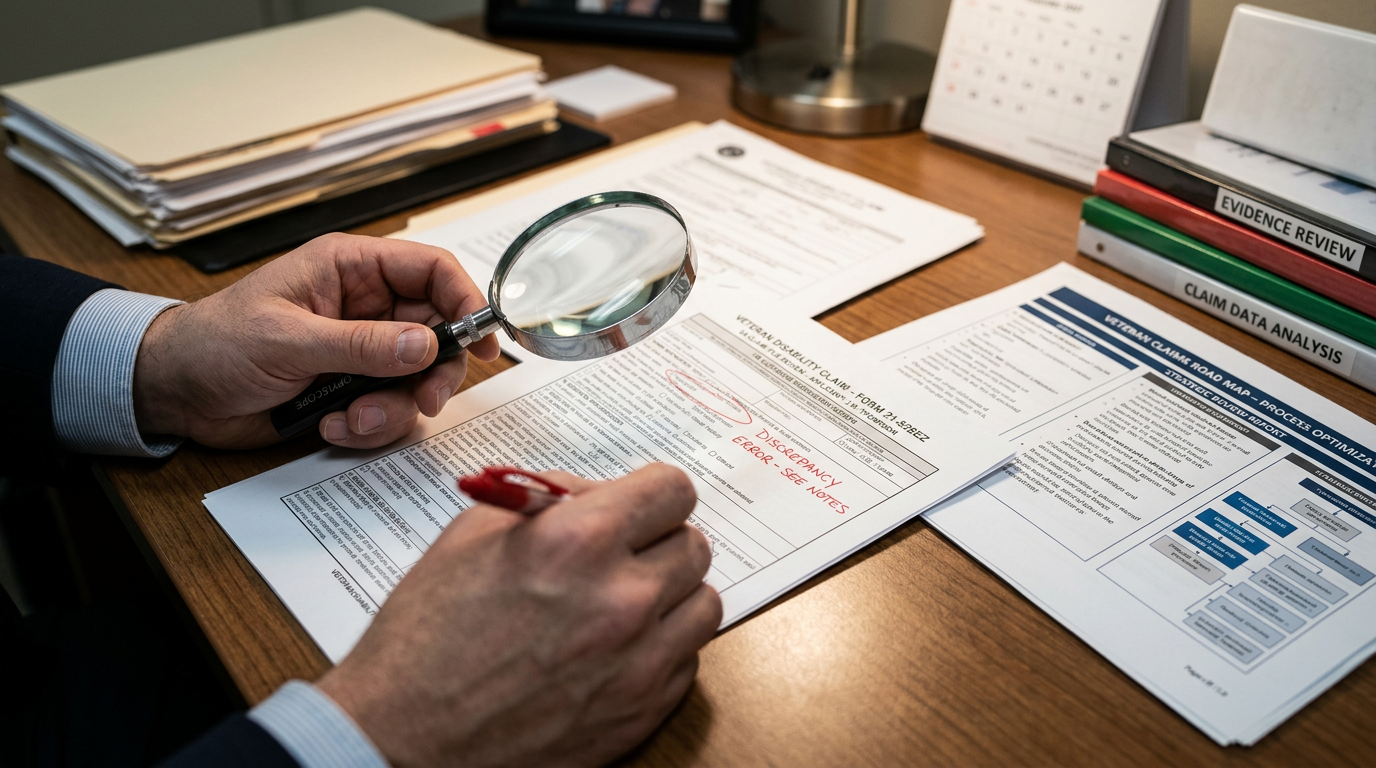
The examiner sees you on one day. If that day is a good one, your flare-ups vanish from the record unless you make them impossible to ignore.
The C&P exam is a snapshot. The examiner measures you on one day, and if that happens to be one of your better days, your flare-ups can disappear from the record entirely. That is a problem the law expects the examiner to solve, but you have to give them the material.
The law is on your side
Court decisions require examiners to account for additional loss of function during flare-ups, not just your range of motion on the day of the exam. But they can only do that if you describe the flares clearly.
Describe the worst, not the average
- How often flares happen and how long they last
- What you cannot do during one, walk, lift, sleep, concentrate
- What triggers them and what it takes to recover
Do not minimize to be polite. "I manage" tells the examiner you are fine. Describe your worst day honestly and specifically, and bring a symptom log so it is in writing.
The adequacy standard for C&P examinations is codified in M21-1, Part III, Subpart iv, Chapter 3 (Obtaining Medical Examinations and Medical Opinions), and the body-system-specific requirements in Chapter 4. When an examiner fails to address functional loss, skips required testing, or provides a "bare conclusion" without a rationale, the exam is legally inadequate under Barr v. Nicholson. Under Sharp v. Shulkin, an examiner who dismisses flare-up impact without a reasoned explanation has produced a deficient opinion. Under Correia v. McDonald, musculoskeletal exams must include active, passive, and weight-bearing versus non-weight-bearing testing, skip any one of those, and the exam is incomplete.