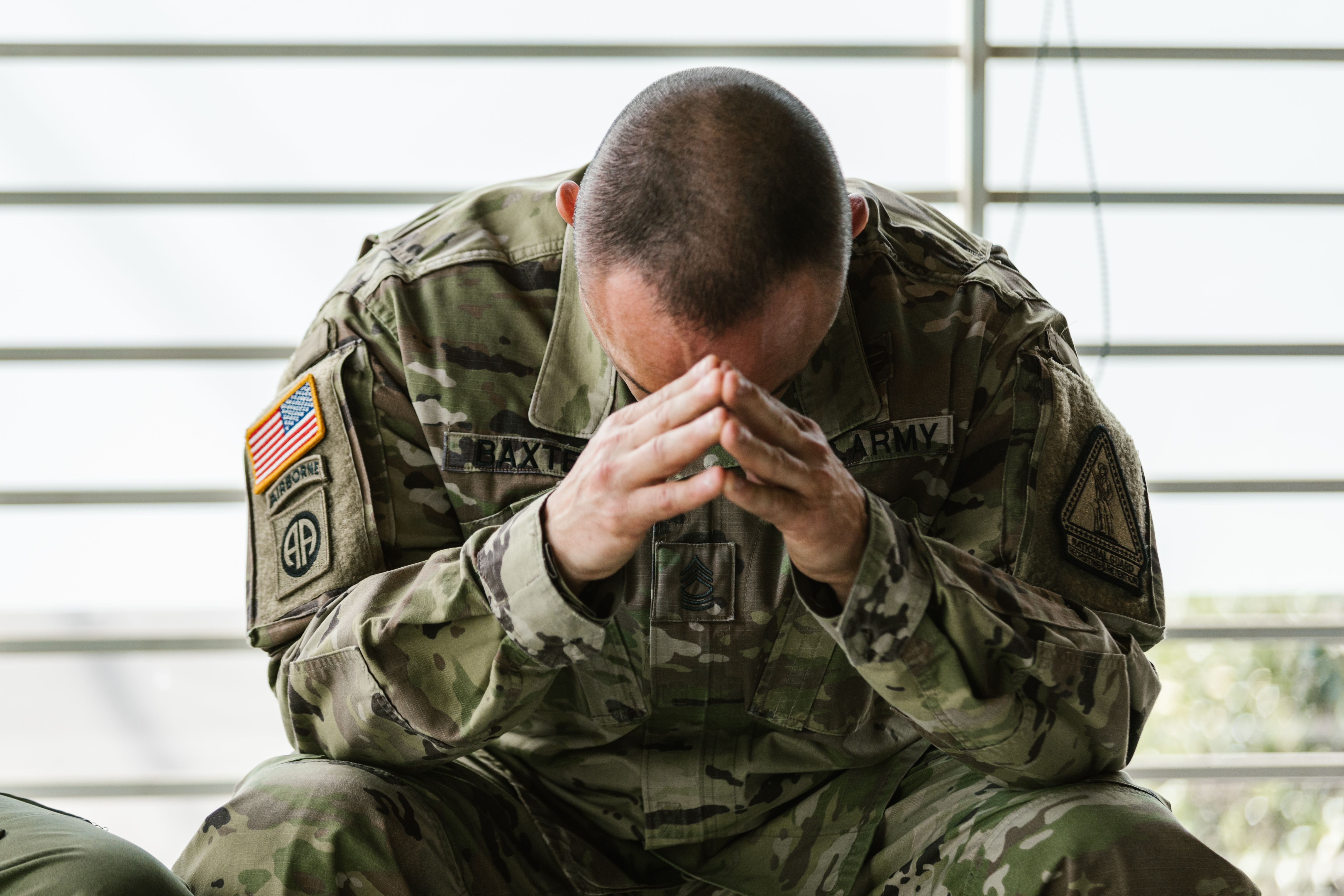
The newest generation of veterans has the best documentation in history, and the most to gain by claiming while the record is fresh.
If you served after 9/11, you have an advantage older veterans would envy: your records are digital, detailed, and recent. The mistake is waiting until they are not.
File while the record is fresh
Memories fade, providers move, and paper gets lost. The best time to document a condition is while you still have the treatment records, the buddy contacts, and the clear timeline. Waiting a decade only makes the nexus harder to prove.
Watch for the exposures
Burn pits, blast exposure, and repetitive-strain injuries from modern gear are all in play, many now covered under the PACT Act. Claim the mental health and TBI components too; they are frequently underrated in younger veterans who "tough it out."
Do not wait for the condition to get worse to be taken seriously. Establish service connection now and pursue increases as things change.
The regulatory authority behind toxic-exposure claims lives in M21-1, Part IV, Subpart ii, Chapter 2, Section C (Service Connection for Disabilities Resulting from Exposure to Environmental Hazards). This section governs how raters develop and adjudicate toxic-exposure claims, including burn-pit, Agent Orange, contaminated-water, and radiation claims, and cross-references the PACT Act's conceded-exposure framework under 38 U.S.C. §1168 (TERA). When a C&P examiner renders a negative nexus opinion without addressing the documented exposure pathway, that opinion is inadequate under Barr v. Nicholson, and raters are required to return it for a supplemental opinion. Veterans who receive a denial after a cursory exam should cite the specific M21-1 development procedures the rater failed to follow.