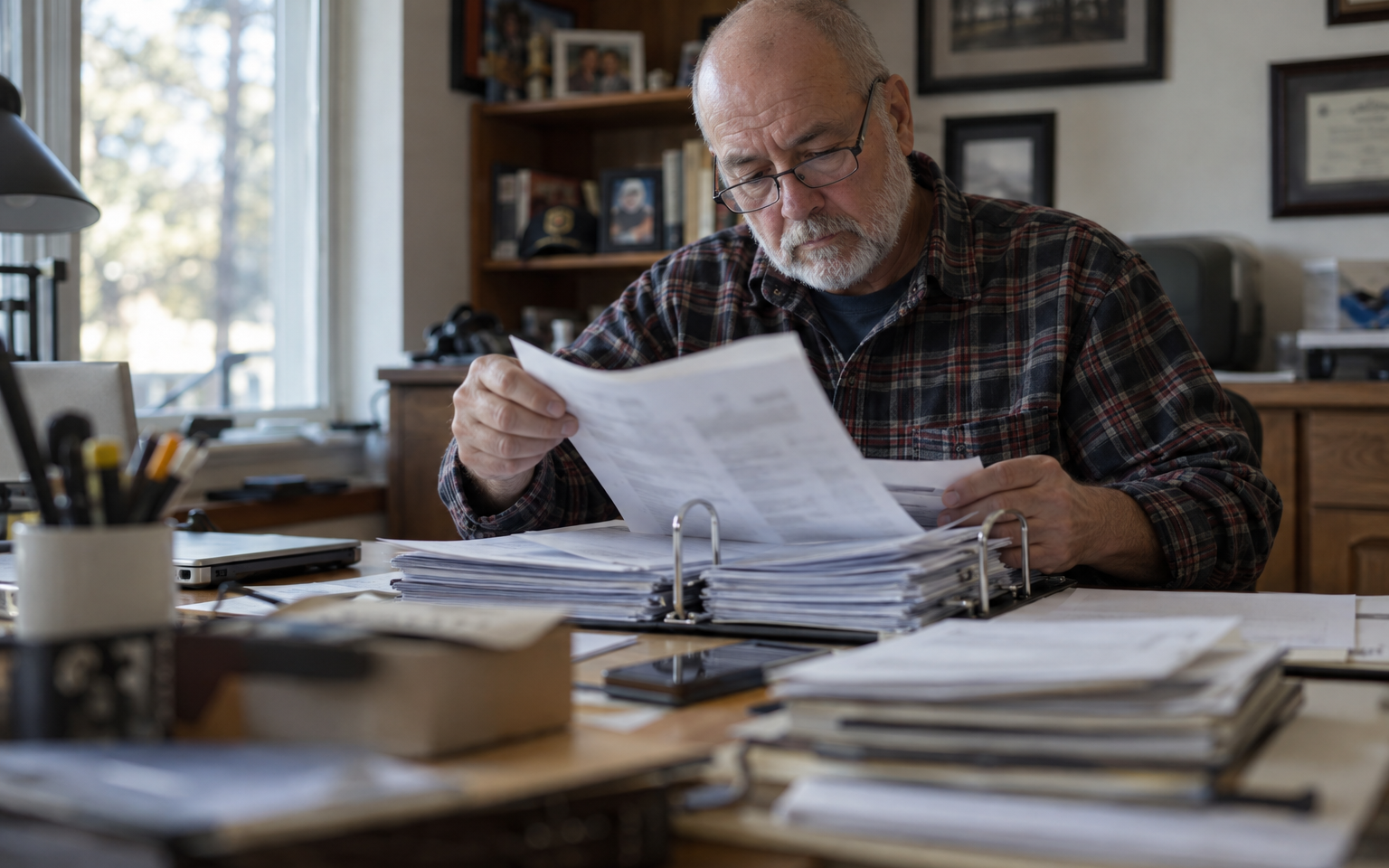
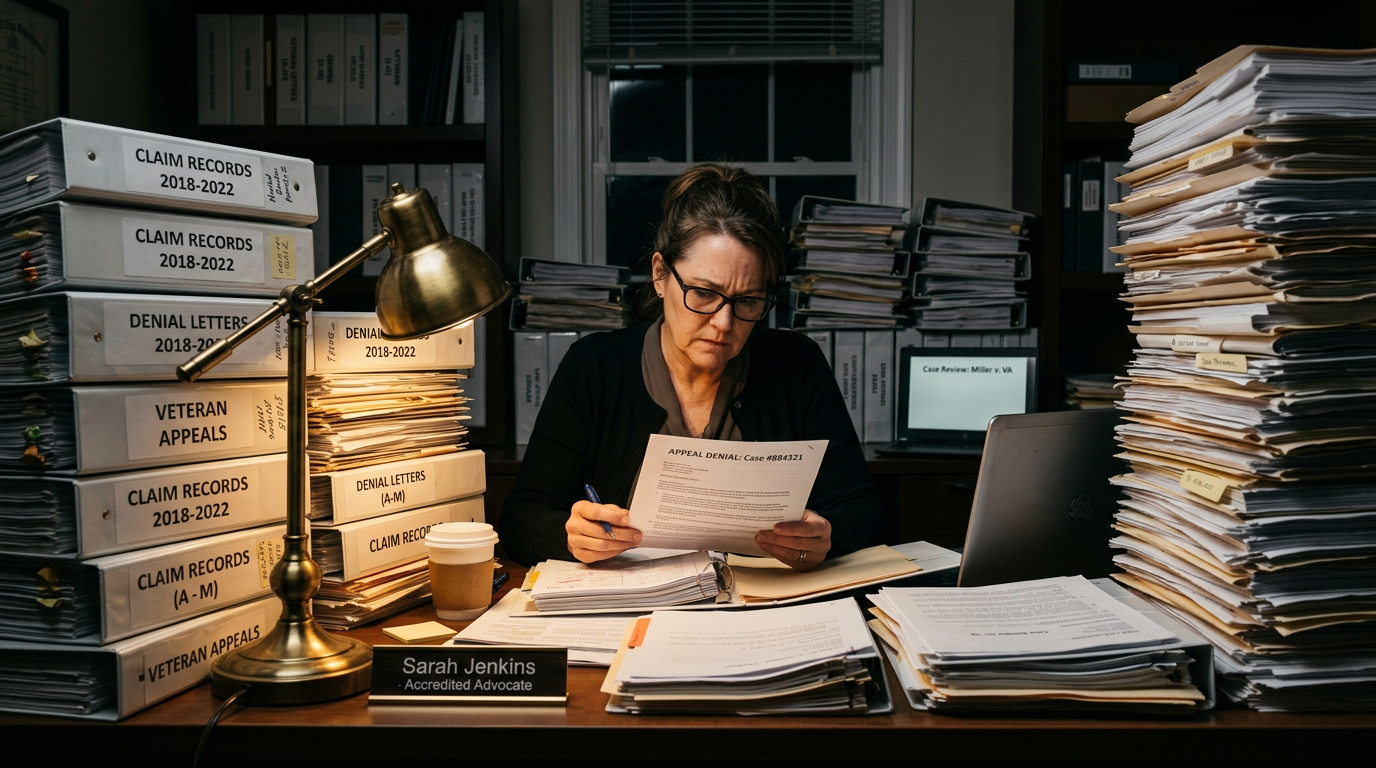
The Compensation & Pension exam is often the whole ballgame. Walk in prepared, or let a rushed examiner decide your rating for you.
The Compensation & Pension (C&P) exam is where your claim often gets decided. The examiner’s report can make or break the rating. You cannot control the examiner, but you can control how prepared you are.
Describe your worst days, not your best
Veterans are trained to push through. In a C&P exam that instinct hurts you. The rating is based on how the condition affects you on a bad day and on average, not on the 20 minutes you are gutting it out in the exam room. Be honest, not tough.
Come ready
The examiner gets a short window to measure a condition you have lived with for years. Under 38 CFR §4.2 the rating is supposed to reflect your whole history, but the examiner only writes down what is in front of them that day. Your part is showing up prepared, on time and honest about your worst days, not your best ones.
- Re-read your own statements and know your timeline
- Be specific about frequency and severity, “three flare-ups a week,” not “sometimes”
- Describe the functional impact: work missed, tasks you can no longer do
- Do not assume the examiner read your file, many have not
After the exam
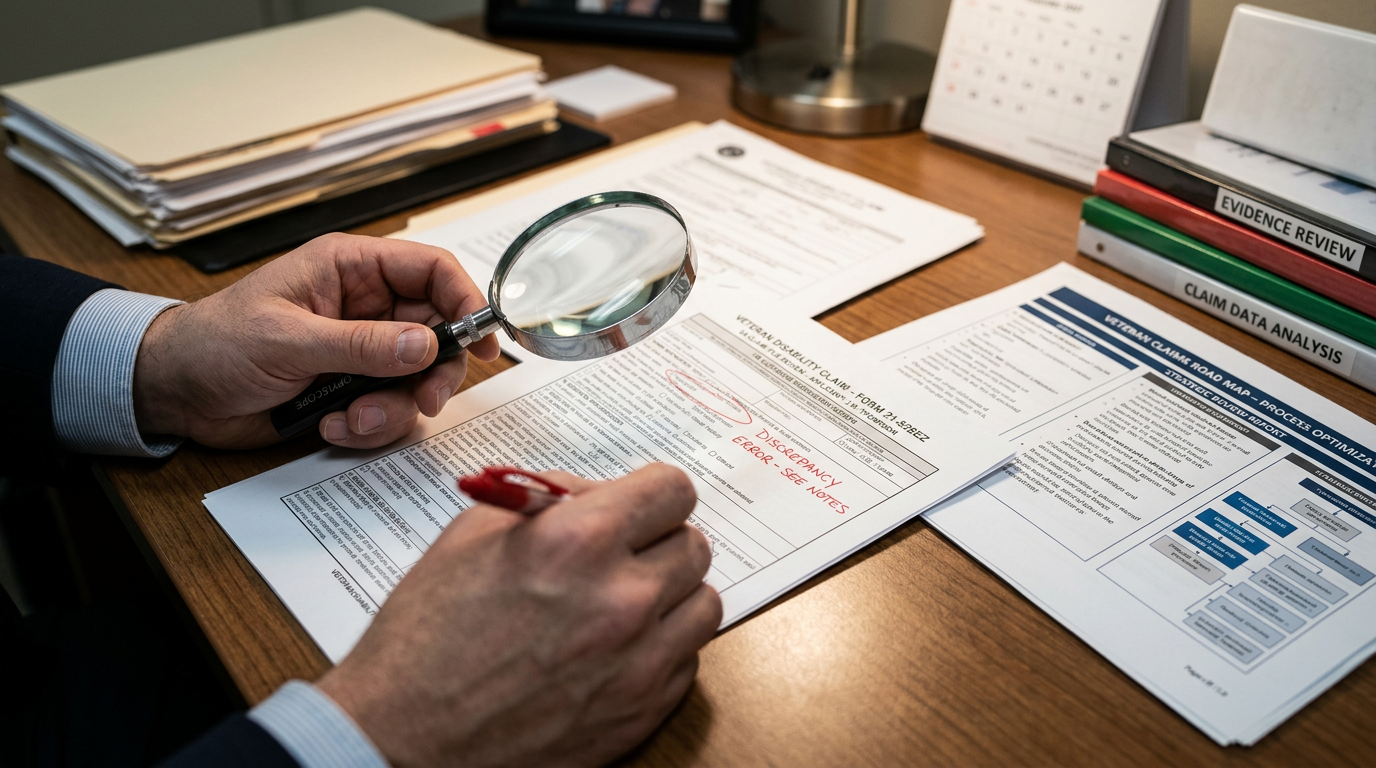
Request a copy of the exam report. If it is inaccurate or incomplete, that is a fixable problem, not the end of the road. You are entitled to that report, and under 38 CFR §4.2 a rater must return an exam that does not contain enough detail for rating. Your part is reading it line by line within days, not months, and putting every error in writing while your memory of the exam is still fresh.
The adequacy standard for C&P examinations is codified in M21-1, Part III, Subpart iv, Chapter 3 (Obtaining Medical Examinations and Medical Opinions), and the body-system-specific requirements in Chapter 4. When an examiner fails to address functional loss, skips required testing, or provides a "bare conclusion" without a rationale, the exam is legally inadequate under Barr v. Nicholson. Under Sharp v. Shulkin, an examiner who dismisses flare-up impact without a reasoned explanation has produced a deficient opinion. Under Correia v. McDonald, musculoskeletal exams must include active, passive, and weight-bearing versus non-weight-bearing testing, skip any one of those, and the exam is incomplete.