Chronic, unexplained symptoms after Gulf War service can be service-connected, even when no doctor can name the diagnosis.
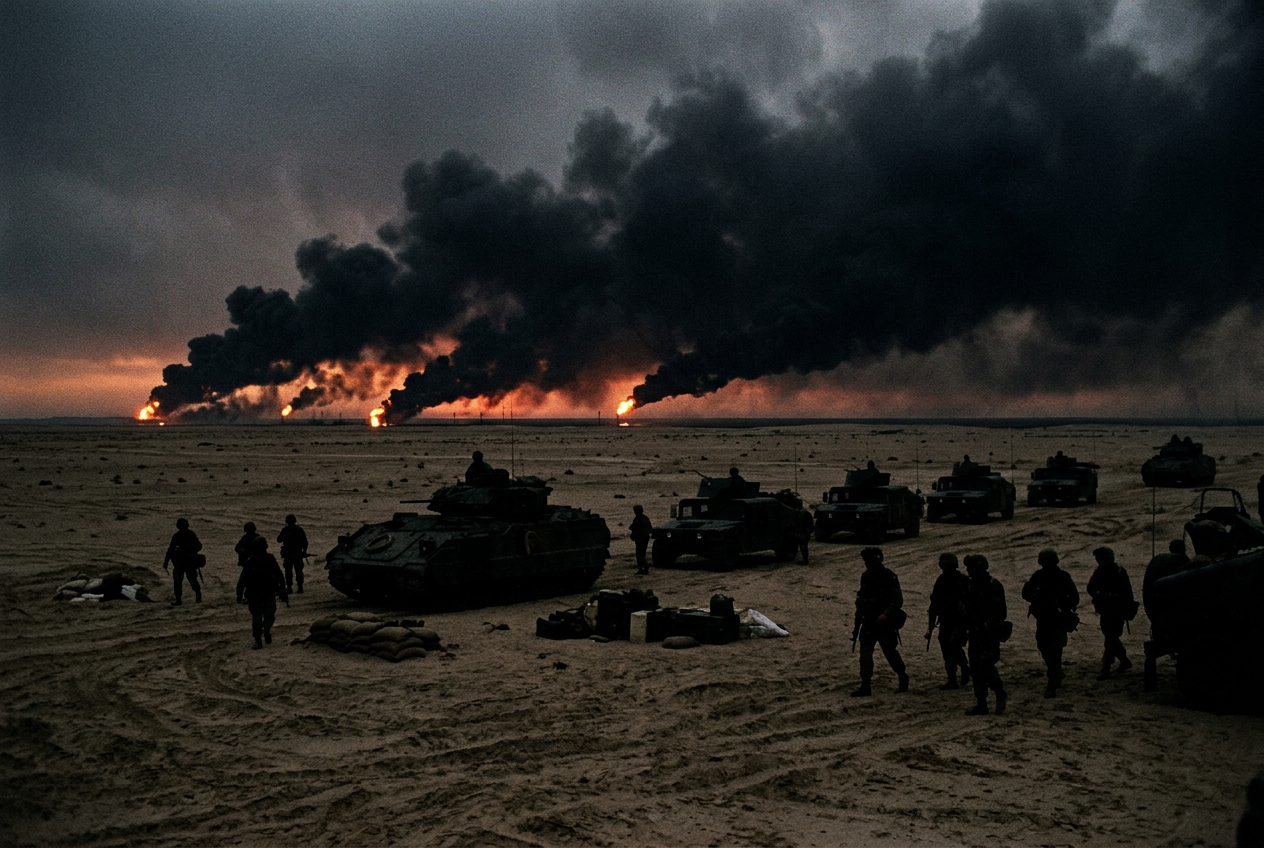
Gulf War veterans face a unique problem: chronic symptoms, fatigue, joint pain, cognitive issues, gastrointestinal trouble, that no test fully explains. The VA has a special framework for exactly this.
Undiagnosed and unexplained illness
For qualifying Gulf War veterans, the VA can grant service connection for undiagnosed illnesses and “medically unexplained chronic multisymptom illnesses” like fibromyalgia, chronic fatigue syndrome, and functional gastrointestinal disorders, without the usual nexus requirement, if the criteria are met.
What you need to show
- Qualifying service in the Southwest Asia theater
- Chronic symptoms that have persisted (generally six months or more)
- Symptoms that are disabling to a compensable degree
The challenge is documentation, proving the pattern and persistence of symptoms over time. That is where a well-built record and honest treatment notes carry the claim.
The regulatory authority behind toxic-exposure claims lives in M21-1, Part IV, Subpart ii, Chapter 2, Section C (Service Connection for Disabilities Resulting from Exposure to Environmental Hazards). This section governs how raters develop and adjudicate toxic-exposure claims, including burn-pit, Agent Orange, contaminated-water, and radiation claims, and cross-references the PACT Act's conceded-exposure framework under 38 U.S.C. §1168 (TERA). When a C&P examiner renders a negative nexus opinion without addressing the documented exposure pathway, that opinion is inadequate under Barr v. Nicholson, and raters are required to return it for a supplemental opinion. Veterans who receive a denial after a cursory exam should cite the specific M21-1 development procedures the rater failed to follow.