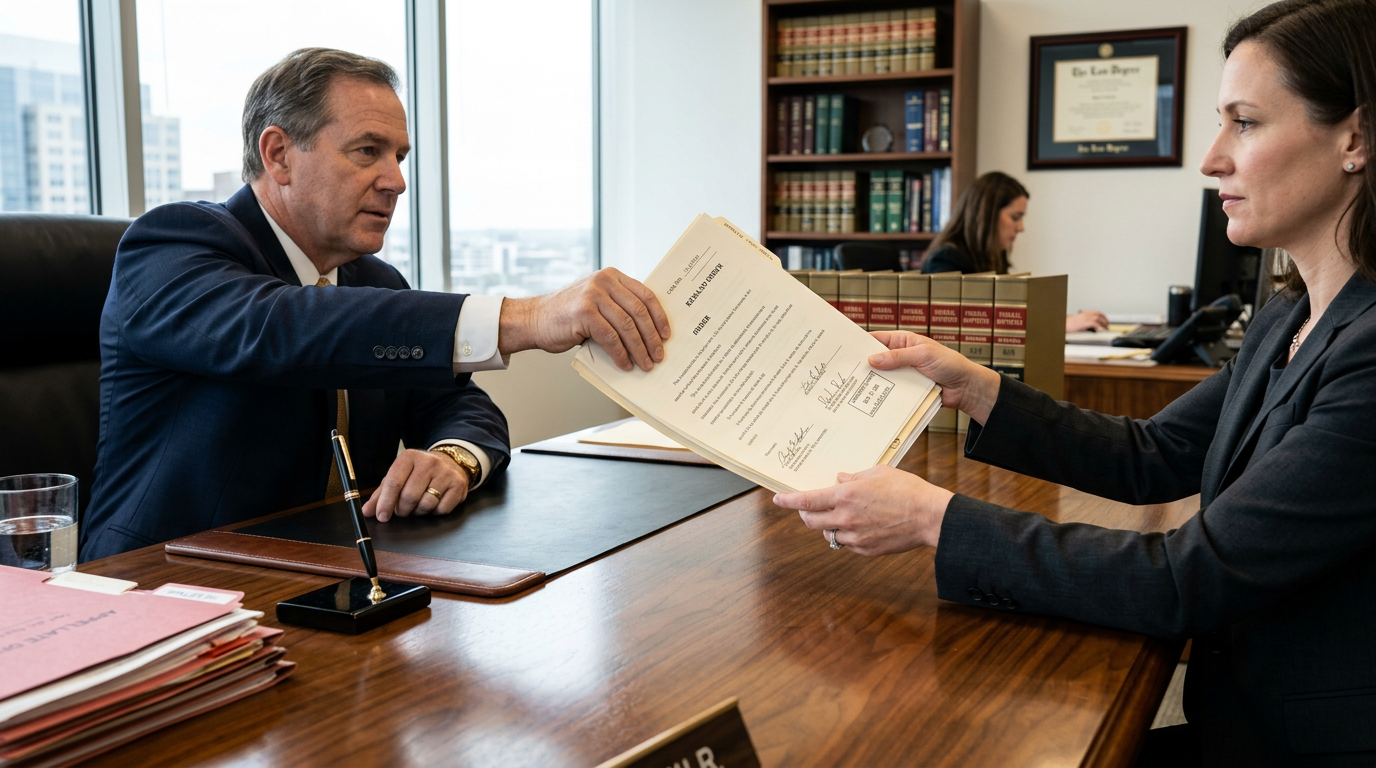
A CUE claim can reach back years, even decades, when the VA made an undebatable error in a final decision.
A Clear and Unmistakable Error (CUE) is the rarest and most powerful tool in the appeals arsenal. It attacks a final VA decision, one you never appealed, and, if proven, moves your effective date back to the date of that original error. That can mean years of retroactive back pay.
The standard is deliberately brutal
CUE is not “the VA should have weighed the evidence differently.” It is an error so obvious that reasonable minds could not disagree: the rater applied the wrong regulation, ignored evidence that was in the file, or misstated a fact that changed the outcome.
Where we find CUE
- The correct law existed at the time and was not applied
- Favorable evidence sat in the file and was never addressed
- A clear mathematical or rating-schedule error changed the percentage
Because the stakes are years of retro pay, a CUE motion has to be built with precision. One vague argument and it is denied, and CUE on the same issue generally cannot be raised twice.
When the VA denies a claim or assigns a low rating, the rater's decision is measured against the regulatory development procedures in M21-1, Part IV, Subpart i, Chapter 1 (Duty to Assist), and the rating guidance in Part III, Subpart iv, Chapters 4–5. Under Clemons v. Shinseki, the VA must consider every theory of entitlement reasonably raised by the evidence, not just the one the veteran named on the form. Under Gilbert v. Derwinski, when the evidence for and against a finding is in approximate balance, the VA must resolve the doubt in the veteran's favor, the benefit-of-the-doubt standard at 38 CFR §3.102 is mandatory, not discretionary. If the rating decision ignored evidence in the file, cite Colvin v. Derwinski, the VA cannot substitute its own medical judgment for competent medical evidence of record.