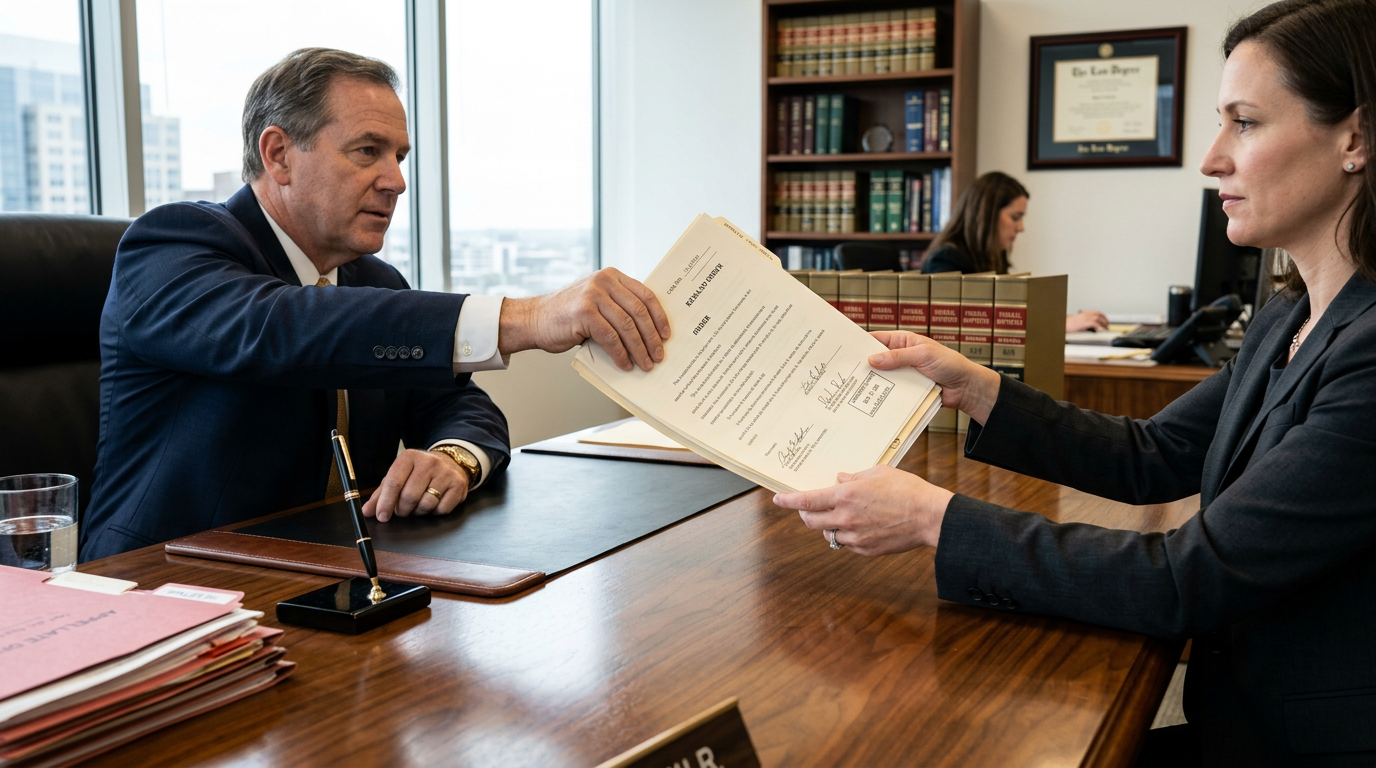
The VA is legally required to help develop your claim. When it does not, that failure is grounds to challenge the decision.
Before the VA denies you, it has to hold up its own end. Under 38 CFR § 3.159, the VA has a duty to assist you in obtaining evidence and, when the record triggers it, to provide an adequate examination. When it skips those steps, the decision is vulnerable.
Common failures
- Not obtaining federal records the VA was told about
- Providing an inadequate exam, or none when one was required
- Ignoring favorable evidence already in the file
How to use the error
A duty-to-assist failure is often the cleanest path to a win on appeal, because you are not arguing the medicine, you are showing the VA never gathered it properly. A Higher-Level Review or Board appeal can send the claim back for the development that should have happened the first time.
We read denials specifically for these failures. They are more common than the VA would like to admit.
When the VA denies a claim or assigns a low rating, the rater's decision is measured against the regulatory development procedures in M21-1, Part IV, Subpart i, Chapter 1 (Duty to Assist), and the rating guidance in Part III, Subpart iv, Chapters 4–5. Under Clemons v. Shinseki, the VA must consider every theory of entitlement reasonably raised by the evidence, not just the one the veteran named on the form. Under Gilbert v. Derwinski, when the evidence for and against a finding is in approximate balance, the VA must resolve the doubt in the veteran's favor, the benefit-of-the-doubt standard at 38 CFR §3.102 is mandatory, not discretionary. If the rating decision ignored evidence in the file, cite Colvin v. Derwinski, the VA cannot substitute its own medical judgment for competent medical evidence of record.