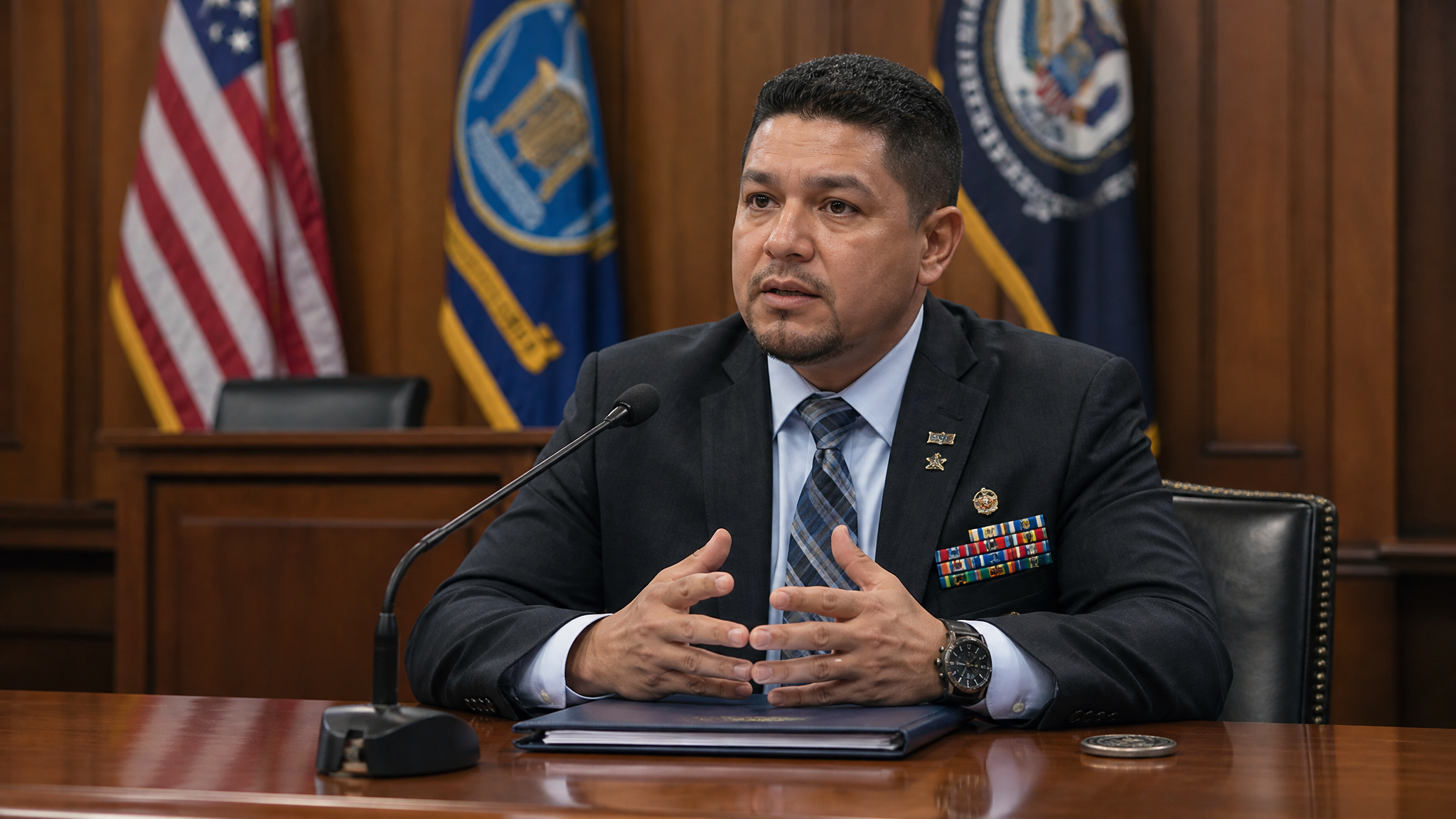
A Board hearing is your chance to speak directly to a judge. Used well, it can turn a paper file into a person the judge wants to help.
When you appeal to the Board of Veterans' Appeals and choose the hearing option, you get something rare in this system: a chance to speak directly to the Veterans Law Judge who will decide your case. Do not waste it.
Know the one issue that matters
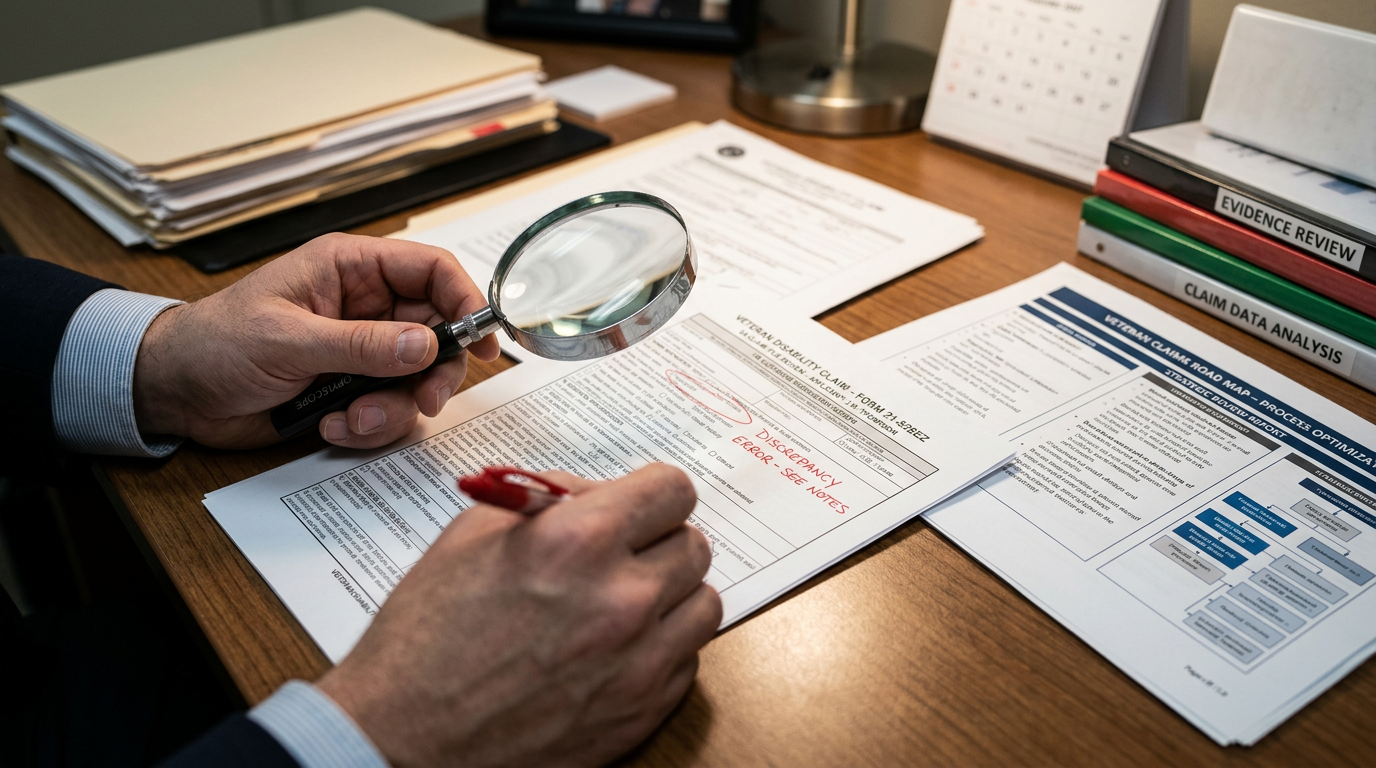
Every appeal turns on a specific deficiency, the missing nexus, the ignored evidence, the misapplied criteria. Walk in knowing exactly what the prior decision got wrong and be ready to point the judge straight at it.
Testify like a witness, not a storyteller
- Answer the question asked, clearly and honestly
- Describe your symptoms and their impact in concrete terms
- Let your representative connect your testimony to the law
The record can be held open after the hearing to submit additional evidence. A hearing is not the end of your chance to build the file, it is one more opportunity to close the gap.
The regulatory authority behind toxic-exposure claims lives in M21-1, Part IV, Subpart ii, Chapter 2, Section C (Service Connection for Disabilities Resulting from Exposure to Environmental Hazards). This section governs how raters develop and adjudicate toxic-exposure claims, including burn-pit, Agent Orange, contaminated-water, and radiation claims, and cross-references the PACT Act's conceded-exposure framework under 38 U.S.C. §1168 (TERA). When a C&P examiner renders a negative nexus opinion without addressing the documented exposure pathway, that opinion is inadequate under Barr v. Nicholson, and raters are required to return it for a supplemental opinion. Veterans who receive a denial after a cursory exam should cite the specific M21-1 development procedures the rater failed to follow.