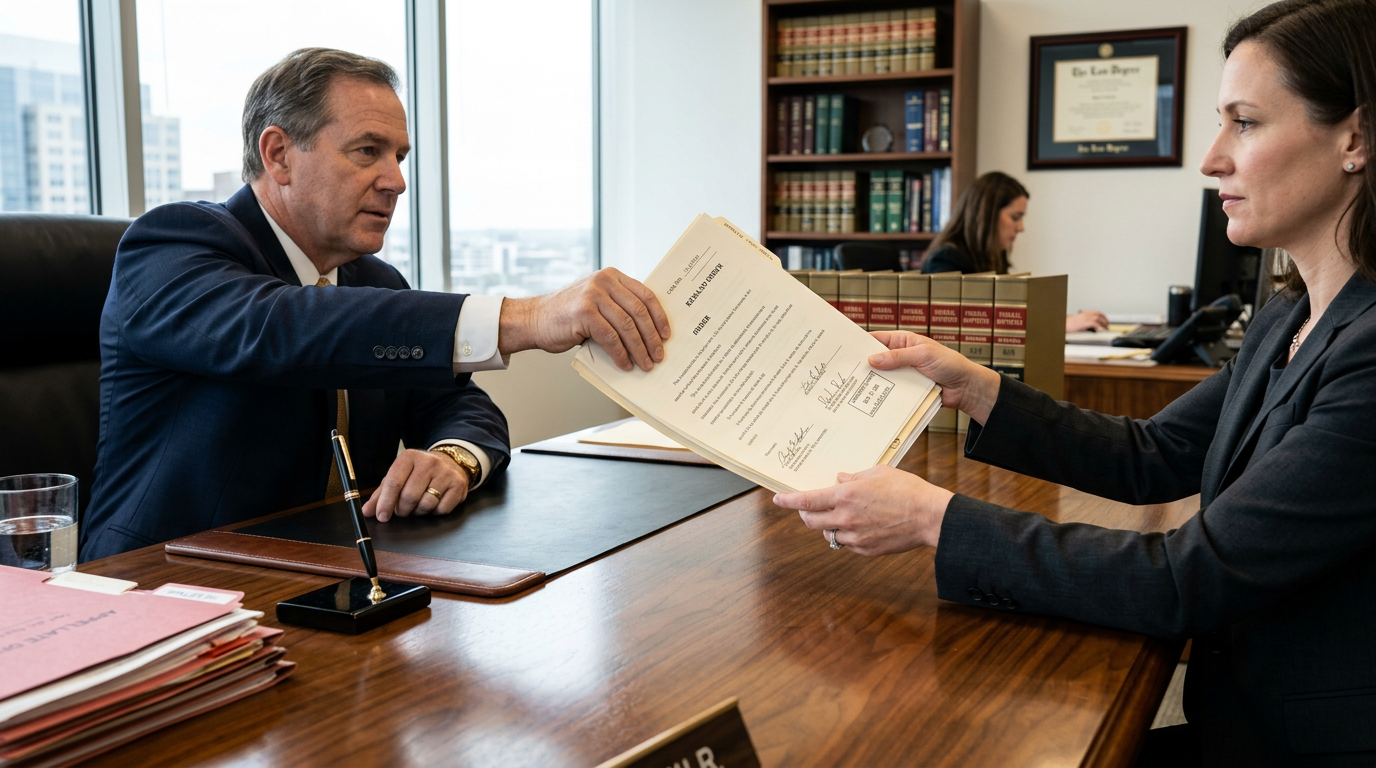
The “reasons and bases” section is where the VA tells you exactly why you lost, if you know how to read it.
Most veterans read the first page of a rating decision, see the percentage, and put it in a drawer. The real information is buried deeper, in the “evidence” list and the “reasons and bases.”
The evidence list
This tells you what the rater actually reviewed. If a record you sent is not on the list, the VA may have overlooked it, a potential duty-to-assist error.
The reasons and bases
This is the rater explaining, in their own words, why they decided the way they did. It names the missing element, nexus, current severity, or in-service event. That sentence is your appeal roadmap. Everything you submit next should target it.
The effective date
Check it against the date you filed. A wrong effective date quietly costs veterans thousands in back pay, and it is often correctable. The rules sit in 38 CFR §3.400, and the VA generally pays from the later of the date it received your claim or the date entitlement arose. An Intent to File under §3.155 can move that date earlier. Your part is pulling every filing date you have and checking the decision against them, line by line.
The entire framework governing VA disability compensation is codified in Title 38 of the Code of Federal Regulations, with the rating schedule at 38 CFR Part 4 and the service-connection standards at §3.303 (direct), §3.310 (secondary), and §3.306 (aggravation). Raters adjudicate claims using the procedures in M21-1, the VA's internal manual that tells them exactly what evidence to develop, what exams to order, and how to apply the rating schedule. Under Gilbert v. Derwinski, when the evidence is in approximate balance, every doubt must be resolved in your favor. Under Caluza v. Brown, service connection requires three elements: a current disability, an in-service event, and a medical nexus linking the two, miss any one, and the claim fails.