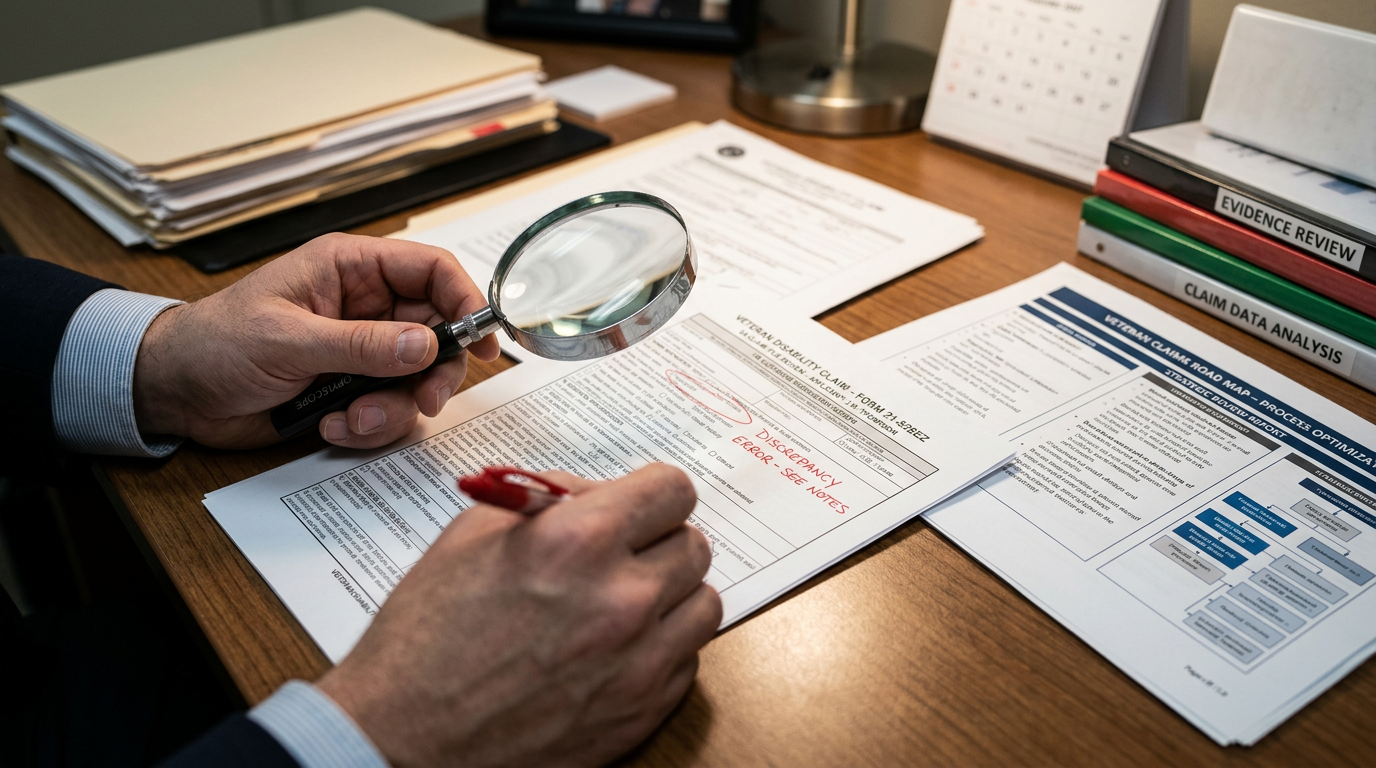
A remand feels like a delay, but it usually means the judge saw a problem worth fixing. Handled right, it is a step toward winning.
When the Board remands your claim, the paperwork can read like a defeat. It usually is not. A remand means the judge identified something that has to be corrected before your claim can be properly decided, and that correction often helps you.
Why claims get remanded
Common reasons include an inadequate exam, records the VA failed to obtain, or a duty-to-assist error. The Board sends the claim back with specific instructions to fix the problem.
Make the remand count
Here is the catch: the VA does not always follow the remand instructions completely. You are entitled to have the ordered development done correctly, and a failure to comply is itself grounds for further appeal. We track the remand orders and hold the VA to them.
A remand is a second chance built into the system. Do not treat it as a loss, treat it as the opening it is.
When the VA denies a claim or assigns a low rating, the rater's decision is measured against the regulatory development procedures in M21-1, Part IV, Subpart i, Chapter 1 (Duty to Assist), and the rating guidance in Part III, Subpart iv, Chapters 4–5. Under Clemons v. Shinseki, the VA must consider every theory of entitlement reasonably raised by the evidence, not just the one the veteran named on the form. Under Gilbert v. Derwinski, when the evidence for and against a finding is in approximate balance, the VA must resolve the doubt in the veteran's favor, the benefit-of-the-doubt standard at 38 CFR §3.102 is mandatory, not discretionary. If the rating decision ignored evidence in the file, cite Colvin v. Derwinski, the VA cannot substitute its own medical judgment for competent medical evidence of record.