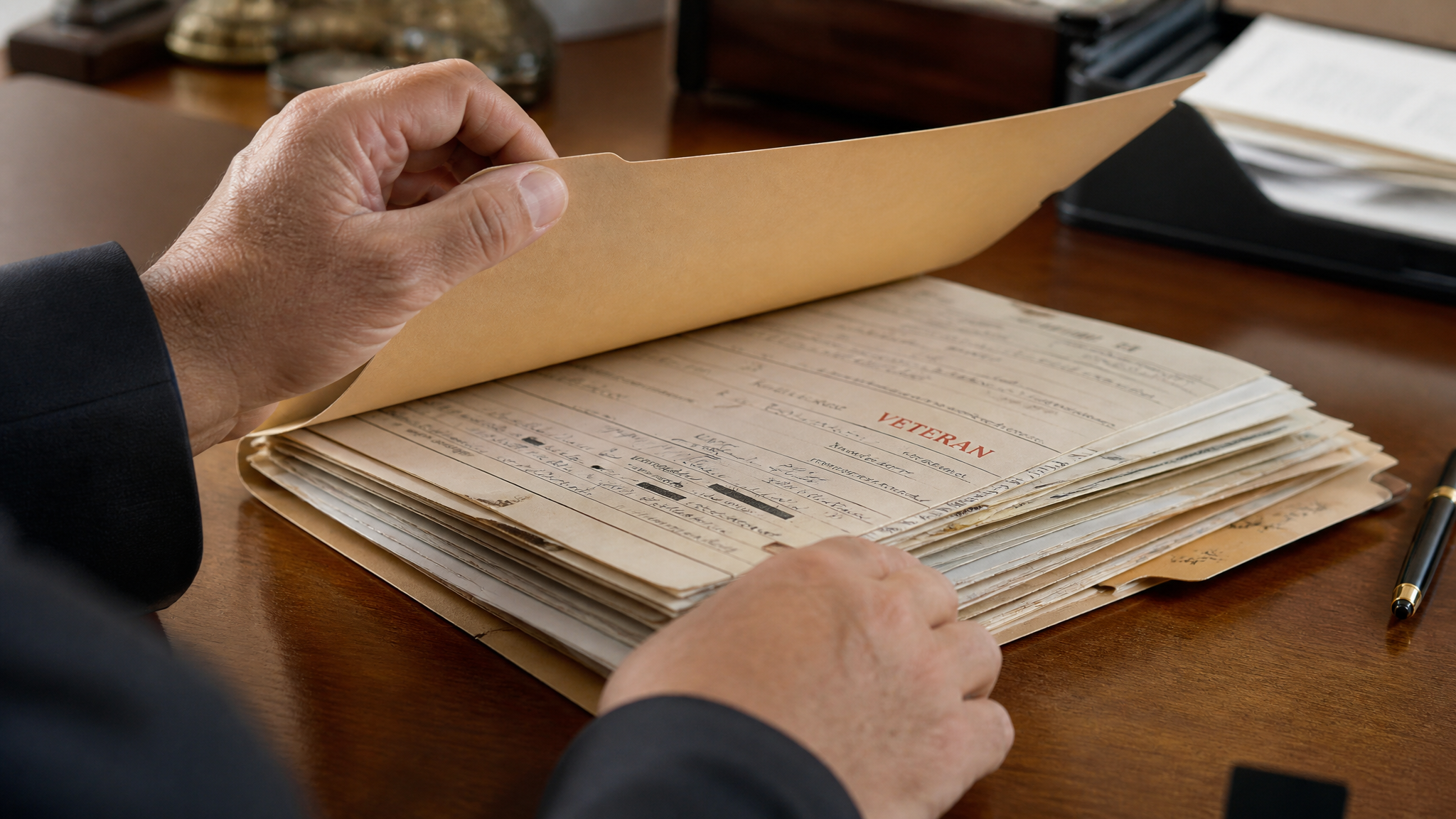
A denial from years ago is not a locked door. With new and relevant evidence, you can reopen a claim the VA thought was closed.
Veterans tell me all the time about a claim they lost years ago and never touched again. That old "no" is not permanent. With the right evidence, a denied claim can be reopened, and sometimes the law itself has changed in your favor since.
The supplemental claim lane
To reopen, you file a supplemental claim with new and relevant evidence, something the VA did not consider before. A nexus opinion, updated records, or a buddy statement documenting the in-service event can all qualify.
When the rules changed
If your condition was added to a presumptive list after your denial, as happened for many veterans under the PACT Act and the Blue Water Navy law, the ground has shifted. What you could not prove then may now be conceded by law.
Do not let an old file gather dust. Reopening is often the shortest path to the benefit you were wrongly denied.
When the VA denies a claim or assigns a low rating, the rater's decision is measured against the regulatory development procedures in M21-1, Part IV, Subpart i, Chapter 1 (Duty to Assist), and the rating guidance in Part III, Subpart iv, Chapters 4–5. Under Clemons v. Shinseki, the VA must consider every theory of entitlement reasonably raised by the evidence, not just the one the veteran named on the form. Under Gilbert v. Derwinski, when the evidence for and against a finding is in approximate balance, the VA must resolve the doubt in the veteran's favor, the benefit-of-the-doubt standard at 38 CFR §3.102 is mandatory, not discretionary. If the rating decision ignored evidence in the file, cite Colvin v. Derwinski, the VA cannot substitute its own medical judgment for competent medical evidence of record.