Camp Lejeune Water Contamination Claims
VA presumptive conditions under 38 CFR §3.309(f) and the Camp Lejeune Justice Act (Public Law 117-168), two separate legal paths, both available to you
If you served at least 30 days at Camp Lejeune or MCAS New River between August 1953 and December 1987, the VA presumes your exposure to contaminated water. A VA disability claim and a civil claim under the Camp Lejeune Justice Act are different processes with different rules. Your part is to pull your service records showing the base and the dates, then decide which paths fit your diagnosis.
What Happened at Camp Lejeune
From 1953 to 1987, the drinking water at Marine Corps Base Camp Lejeune in Jacksonville, North Carolina was contaminated with industrial solvents, fuel byproducts, and dry-cleaning chemicals at concentrations up to 280 times the levels the EPA considers safe. If you were stationed there, your dates on base matter.
An estimated one million service members, civilian workers, and their families were exposed through the Hadnot Point, Tarawa Terrace, and Holcomb Boulevard water treatment plants. The contamination was not publicly disclosed until years after it was discovered.
The Agency for Toxic Substances and Disease Registry (ATSDR) has conducted ongoing health studies since 2003, linking the contaminated water to elevated rates of cancer, neurological disease, and reproductive harm.
The Contaminants
Primary toxic chemicals found in Camp Lejeune drinking water
Trichloroethylene (TCE)
Source: Industrial degreasing operations at the base
Up to 1,400 ppb (EPA limit: 5 ppb, 280× the safe level)
Linked to: Kidney cancer, liver cancer, non-Hodgkin's lymphoma, Parkinson's disease
Tetrachloroethylene (PCE)
Source: ABC One-Hour Cleaners (off-base dry cleaner)
Up to 215 ppb (EPA limit: 5 ppb, 43× the safe level)
Linked to: Bladder cancer, non-Hodgkin's lymphoma, liver cancer
Benzene
Source: Underground fuel storage tanks
Up to 380 ppb (EPA limit: 5 ppb, 76× the safe level)
Linked to: Leukemia, multiple myeloma, aplastic anemia
Vinyl chloride
Source: Degradation of TCE and PCE in the soil
Up to 67 ppb (EPA limit: 2 ppb, 33× the safe level)
Linked to: Liver cancer (hepatic angiosarcoma), non-Hodgkin's lymphoma
Key Dates in the Camp Lejeune Story
These dates explain why so many Camp Lejeune veterans went decades without answers, and why the rules that apply to your claim look the way they do today. Read them against your own service record, note when you arrived and when you left, and keep that list with your claim papers.
1953
Camp Lejeune water supply wells begin drawing contaminated groundwater.
1982
Volatile organic compounds first detected in base drinking water during routine testing.
1985
The most contaminated wells, Hadnot Point and Tarawa Terrace, are shut down.
1987
All remaining contaminated wells are closed. The end of the presumptive exposure window.
1991
Camp Lejeune added to the EPA Superfund National Priorities List for cleanup.
2012
The Janey Ensminger Act (Pub. L. 112-154) provides VA health care (not disability compensation) to Camp Lejeune veterans.
2017
VA establishes 8 presumptive conditions for Camp Lejeune veterans under 38 CFR §3.309(f).
2022
The PACT Act (Pub. L. 117-168) includes the Camp Lejeune Justice Act (CLJA), creating a federal civil claim pathway for the first time.
VA Disability Claim vs. CLJA Civil Claim
Camp Lejeune veterans have two completely independent legal avenues. You can, and in most cases should, pursue both simultaneously. They do not offset each other. The VA claim runs through the VA under 38 CFR §3.309(f) and pays monthly compensation. The CLJA claim is a separate civil process with its own filing rules and its own deadlines. Your part is to keep both tracks moving and to keep copies of everything you send to either one.
Path 1: VA Disability Claim
38 CFR §3.309(f) · Presumptive Service Connection
Eligibility: 30+ cumulative days at Camp Lejeune between August 1, 1953 and December 31, 1987, plus a diagnosis of one of the 8 presumptive conditions.
Path 2: CLJA Civil Claim
Public Law 117-168 · Camp Lejeune Justice Act of 2022
Eligibility: 30+ cumulative days at Camp Lejeune between August 1, 1953 and December 31, 1987, plus a condition linked to the contaminated water (broader than the VA 8-condition list).
The 8 VA Presumptive Conditions
If you have one of these conditions and served at Camp Lejeune for 30+ days in the qualifying period, the VA presumes it was caused by your service. No nexus letter. No burden of proof on you. The VA must grant service connection unless it can rebut the presumption with clear and convincing evidence, a nearly impossible standard.

Adult leukemia
Various (ICD-10 C91–C95)Any form of leukemia diagnosed in adulthood. Includes acute lymphoblastic leukemia (ALL), chronic lymphocytic leukemia (CLL), acute myeloid leukemia (AML), chronic myeloid leukemia (CML), and hairy cell leukemia. The VA presumes service connection for any veteran who served at Camp Lejeune for 30+ days between August 1, 1953 and December 31, 1987.

Aplastic anemia and other myelodysplastic syndromes
ICD-10 D46, D61Bone marrow failure conditions where the marrow stops producing enough blood cells. Myelodysplastic syndromes (MDS) are a group of cancers in which immature blood cells do not mature properly. Both are linked to TCE and benzene exposure in the Camp Lejeune water supply.

Bladder cancer
ICD-10 C67Malignant neoplasm of the bladder. Trichloroethylene (TCE) and tetrachloroethylene (PCE), two of the primary contaminants in the Camp Lejeune water, are established bladder carcinogens. The ATSDR found TCE levels at Camp Lejeune up to 1,400 parts per billion, 280 times the EPA maximum.

Kidney cancer
ICD-10 C64Renal cell carcinoma and other kidney malignancies. The National Academy of Sciences found "sufficient evidence" linking TCE to kidney cancer. TCE was present in the Hadnot Point and Tarawa Terrace water systems at Camp Lejeune for decades before detection.
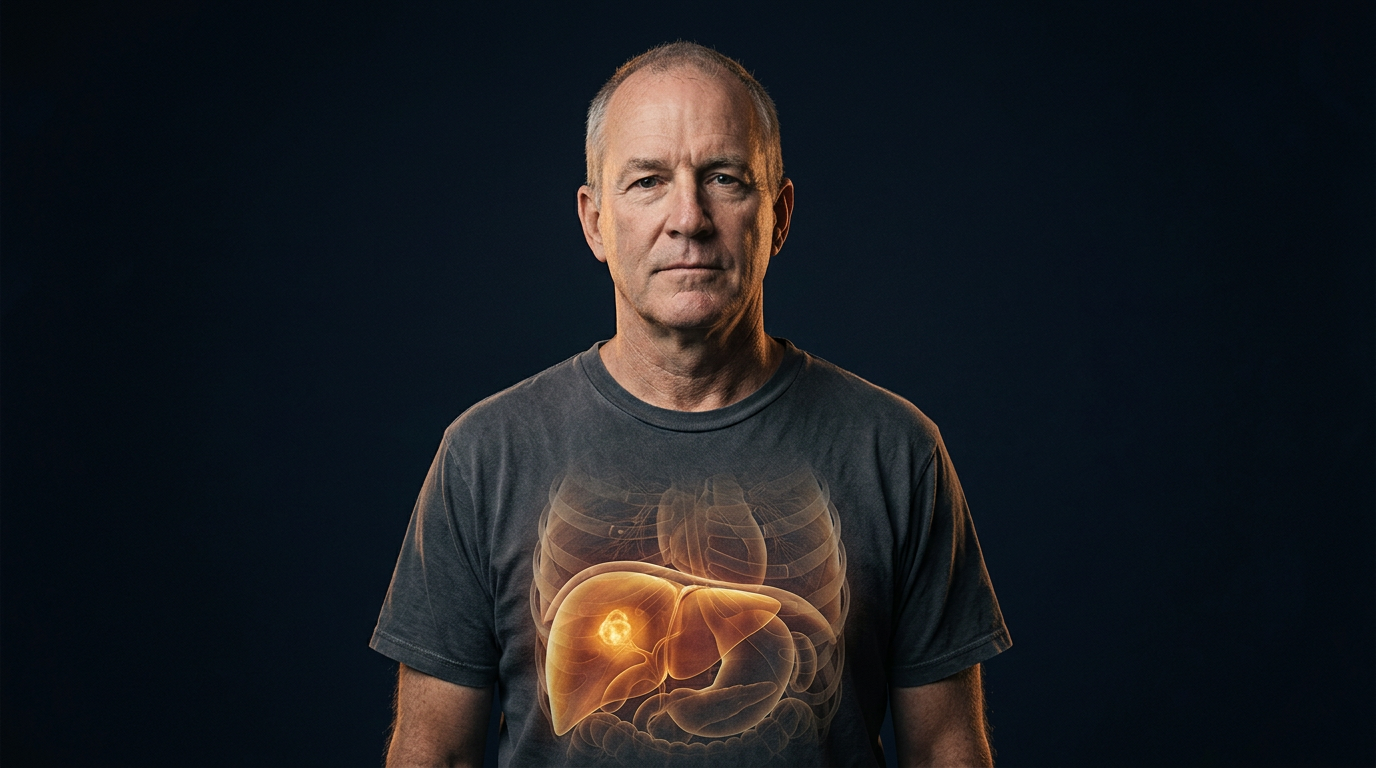
Liver cancer
ICD-10 C22Hepatocellular carcinoma and other liver malignancies. Vinyl chloride, a contaminant found in the Camp Lejeune water from an off-base dry-cleaning operation, is a known hepatocarcinogen. The International Agency for Research on Cancer (IARC) classifies vinyl chloride as a Group 1 carcinogen.

Multiple myeloma
ICD-10 C90.0A cancer of plasma cells in the bone marrow. Benzene, another Camp Lejeune contaminant, is an established risk factor for multiple myeloma. This is the same contaminant pathway that also supports the presumptive for leukemia.

Non-Hodgkin's lymphoma
ICD-10 C82–C86A group of blood cancers that includes any lymphoma except Hodgkin's. Multiple Camp Lejeune contaminants, TCE, PCE, benzene, and vinyl chloride, are linked to NHL. The ATSDR health study found elevated NHL incidence among Camp Lejeune veterans.

Parkinson's disease
ICD-10 G20A progressive neurological disorder affecting movement. TCE has been identified as a neurotoxicant linked to Parkinson's disease in multiple epidemiological studies. A 2012 study in the Annals of Neurology found a 500% increased risk of Parkinson's in individuals exposed to TCE.
CLJA Civil Claim, Broader Conditions
The CLJA civil claim is not limited to the VA's 8 presumptive conditions. Any illness or condition that can be linked to TCE, PCE, benzene, or vinyl chloride exposure at Camp Lejeune may qualify. That link has to be shown with medical evidence, so the diagnosis in your records matters as much as the dates on your orders. Your part is to gather your treatment records and proof you were on base. This includes:
Evidence for VA Presumptive Claims
Because these are presumptive claims, the burden is lighter than most VA claims. You need:
You do NOT need a nexus letter. The presumption does the work. If the VA denies a properly documented presumptive claim, that denial is challengeable on appeal.
Evidence for Non-Presumptive VA Claims
If your condition is not on the 8-condition list but you believe it was caused by Camp Lejeune water, you file a direct service connection claim. You need everything above PLUS:
The ATSDR health studies are your strongest resource. They provide peer-reviewed data linking specific contaminants to specific conditions at Camp Lejeune, exactly what a nexus opinion needs to cite.
What We Do for Camp Lejeune Veterans
A Camp Lejeune claim looks simple on paper: 30 days on base between 1953 and 1987 and a listed condition. In practice, the VA denies these claims over service dates, missing diagnoses, and conditions that fall outside the presumptive list. Here is how I work the file from start to finish. Your part is to bring me your DD-214, any orders showing time at Lejeune or New River, and the medical records that name your diagnosis.
Service Record Verification
We confirm your Camp Lejeune service dates, identify the water systems your unit used, and document the 30-day eligibility threshold.
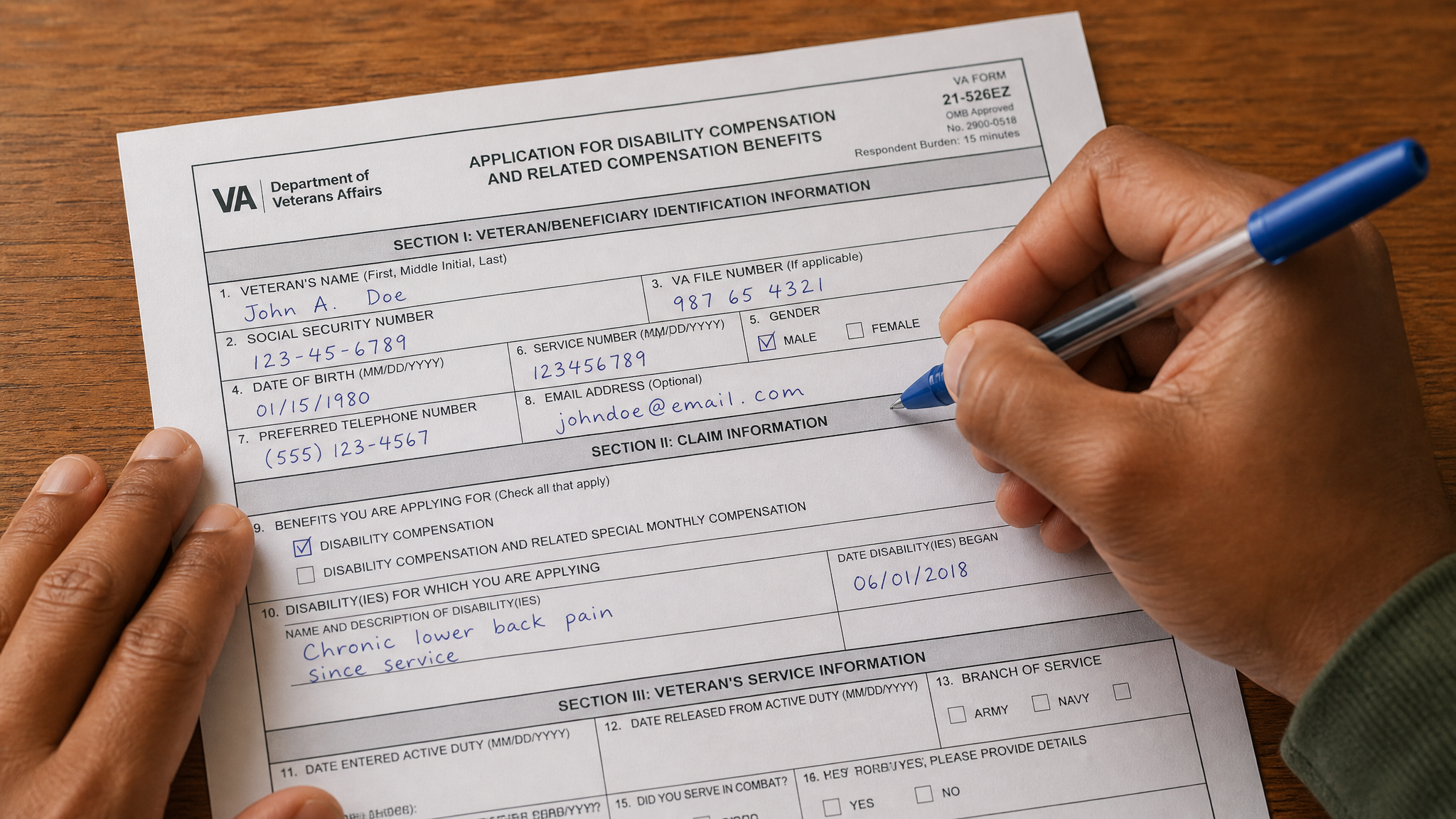
Presumptive Claim Filing
For the 8 listed conditions, we build the claim package that uses the presumption, no nexus letter, no unnecessary medical opinions, no wasted time.

Direct Connection Claims
For conditions outside the 8 presumptives, we source nexus opinions grounded in ATSDR data and peer-reviewed toxicology linking your condition to the specific Camp Lejeune contaminants.

CLJA Civil Claim Coordination
We can coordinate with Camp Lejeune tort attorneys so your VA claim and civil claim move in parallel without conflicting evidence strategies.

Secondary Condition Analysis
Camp Lejeune conditions often cause secondaries, peripheral neuropathy from Parkinson's, depression from cancer treatment, fatigue from chemotherapy. We identify and claim every one.

Effective Date Maximization
If you filed a Camp Lejeune claim before the 2017 presumptive rule, we analyze whether an earlier effective date applies, potentially recovering years of back pay.
Camp Lejeune Claims, Frequently Asked Questions
These are the questions I hear most from veterans and families who were at Camp Lejeune. There are two separate paths, a VA disability claim and a civil claim under the Camp Lejeune Justice Act, and they follow different rules. Your part is to confirm your dates on base and keep the VA claim and the civil claim straight in your own records.
Frequently Asked Questions
Who is eligible for Camp Lejeune VA disability benefits?
What is the difference between a VA disability claim and a CLJA civil claim?
Do I need a nexus letter for a Camp Lejeune presumptive claim?
What if my condition is not on the 8-condition presumptive list?
Is there a deadline for filing a Camp Lejeune claim?
Can family members file Camp Lejeune claims?
How does Camp Lejeune interact with other toxic exposure claims?
What rating will I receive for a Camp Lejeune condition?
Real Veterans. Real Claims. Real Outcomes.
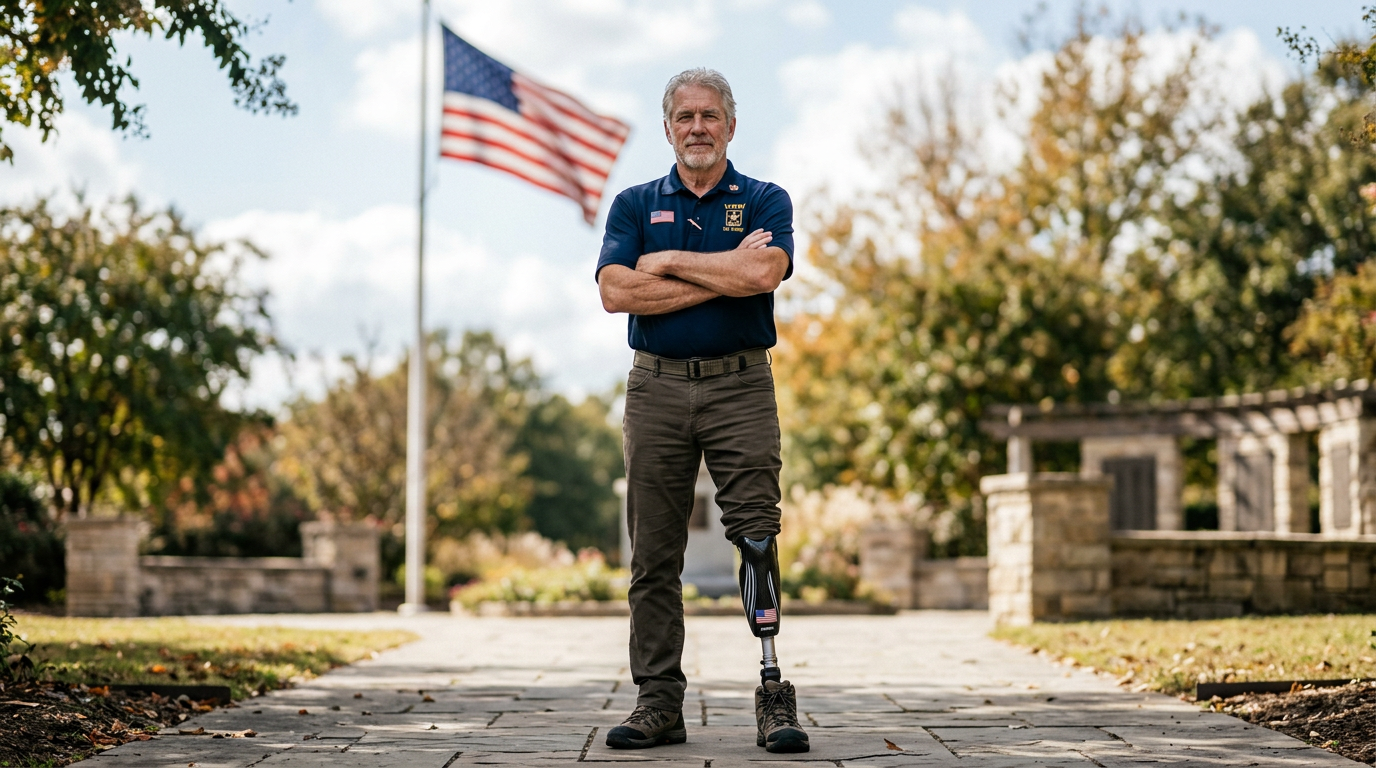
Every case on this desk belongs to someone who served. These are the veterans this practice represents, across every era, branch, and condition: the Vietnam vet who was told it was too late, the Gulf War vet the system called a mystery, the young veteran who walked out of a five minute exam with a zero. Different stories, same fight. The record decides the claim, so we build the record.
 Veteran Representation
 Veteran Representation
 Veteran Representation
Toxic Exposure Benefits, Straight From the VA
These official VA videos cover the toxic-exposure and PACT Act benefits that govern Camp Lejeune claims. Watch them, write down your dates on base and every diagnosis you carry, then let an accredited agent measure your file against the law.
VA Benefits: Toxic Exposure Update
Your PACT Act Toxic-Exposure Benefits