PACT Act · Post-9/11 & Gulf Era
Burn Pit & Airborne Hazard Claims
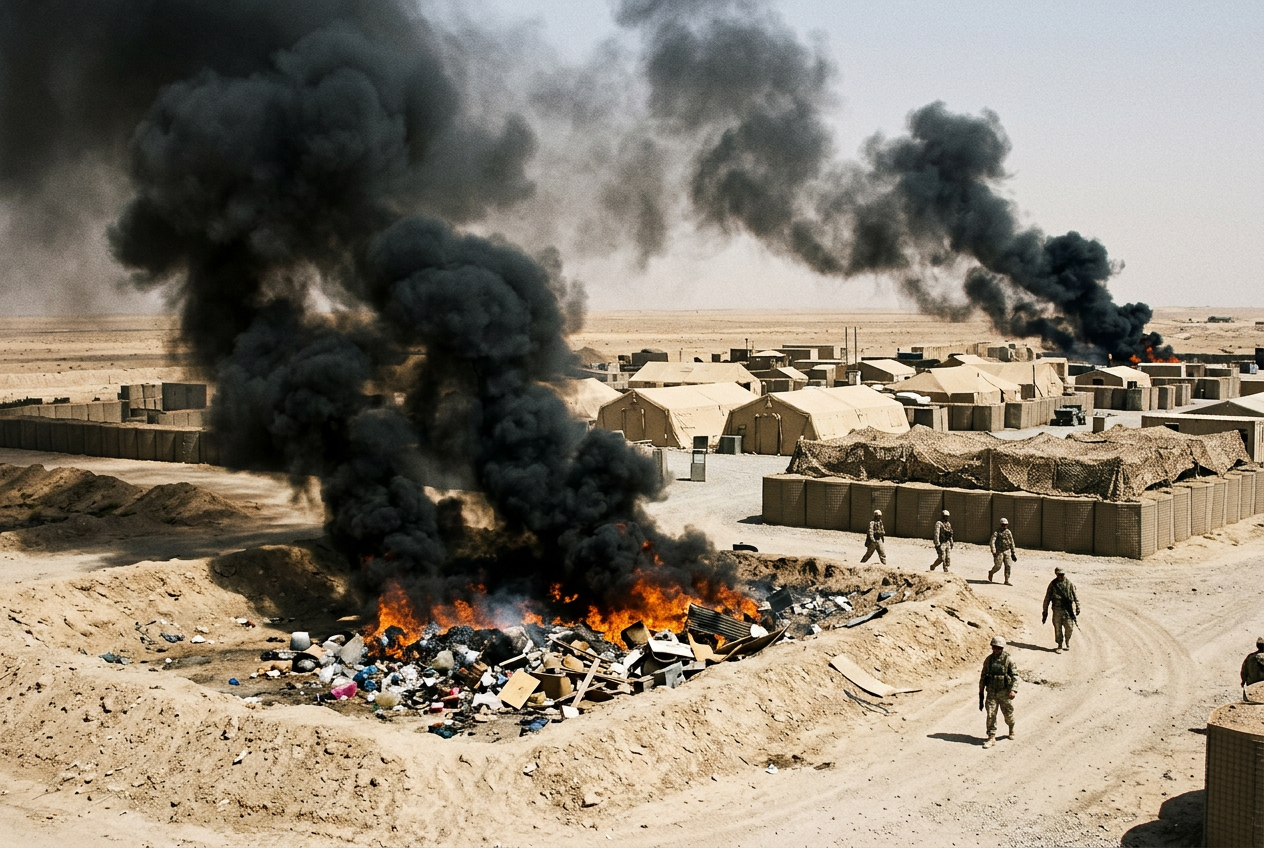
For two decades the military burned everything, plastics, metals, medical waste, munitions, even human waste, in open pits doused with jet fuel. Veterans breathed that smoke every day. When they came home sick, the VA denied them for lack of a "nexus."
The PACT Act ended that. Airborne-hazard conditions are now presumptive for veterans who served in the covered locations and periods below. If that is you, the VA must presume your condition was caused by service, no nexus letter required.
Burn Pit / Airborne Hazards at a Glance
These numbers show the scale of the problem, not the strength of your individual claim. The VA does not grant claims because a lot of veterans were exposed. It grants them when your file shows you were in the right place at the right time and you carry a current diagnosis. Use these figures as context, then move down the page and check your own service dates, locations, and medical records against each step.
3.5M+
veterans exposed to burn pits and airborne hazards during post-9/11 service
200+
open-air burn pits operated across Iraq, Afghanistan, and Southwest Asia
22
new presumptive respiratory and cancer conditions added under the PACT Act
$0
nexus letter required, the law presumes the connection
Qualifying Service Locations
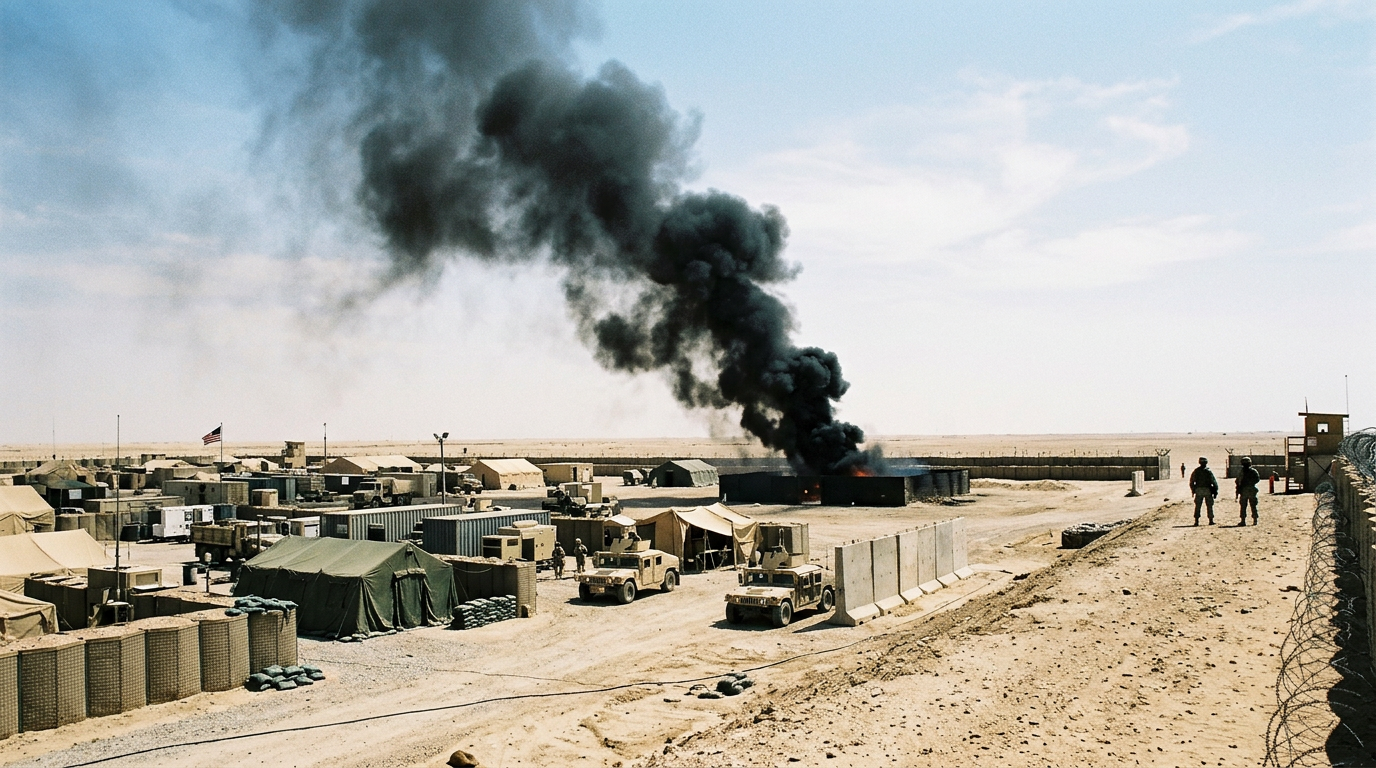
Your service location and dates are what trigger the exposure concession. Find where your service fits below, then make sure the record proves it. The VA will not take your word for it. Your DD-214, deployment orders, unit records, or personnel file have to place you in the location during the covered dates. Your part is to pull those documents before you file. If your orders are missing or vague, buddy statements and unit histories can fill the gap, but they take time to gather, so start now.
Persian Gulf theater
On or after August 2, 1990, Iraq, Kuwait, Saudi Arabia, Bahrain, Oman, Qatar, UAE, and the neighboring waters and airspace.

Afghanistan & Central Asia
On or after September 11, 2001, Afghanistan, Djibouti, Syria, Uzbekistan, and other listed locations.

Additional listed areas
Egypt, Jordan, Lebanon, Yemen and other locations the VA has added to the covered list under the PACT Act.
Covered Conditions
If you carry one of these diagnoses and your service matches the locations above, you are on the shortest path to service connection. The presumption covers causation, not the diagnosis. You still need a doctor to put the condition in writing, by name, in your medical records. A note that says "breathing problems" is not the same as a diagnosis of asthma or COPD. Check your records for the exact term, and if it is missing, ask your provider to document it before you file.
This is not an exhaustive list. The VA continues to add conditions under the PACT Act framework. If your condition is respiratory, cancerous, or related to airborne hazard exposure and is not listed here, it may still qualify through the TERA facts-found pathway.
The Evidence You Need
A clean, complete file is the difference between a grant and a denial. Here is what belongs in yours. Under 38 CFR 3.159 the VA has a duty to help you gather records, but it only goes after what you tell it exists. Your part is to identify every provider, sign the release forms, and send what you already have. A file that arrives complete gets decided faster and gives the rater less room to deny.

DD-214 & deployment orders
Establish that you served in a covered location during a covered period. This is what triggers the presumption.

Current diagnosis
You still need a current medical diagnosis of the claimed condition from a doctor, the presumption covers causation, not the diagnosis itself.

Post-deployment health records
Any documented respiratory complaints, sick-call visits, or pulmonary function tests strengthen the timeline and rating.

Airborne Hazards and Open Burn Pit Registry
Enrollment in the VA burn-pit registry adds a documented self-report of exposure. Not required for a claim, but helpful supporting evidence.

Buddy statements
Fellow service members can confirm proximity to burn pits and the onset of symptoms in theater. Two or three statements corroborating the exposure environment are strong evidence.

Service treatment records (STRs)
Any in-service sick-call visits, respiratory complaints, or documentation of environmental exposure during deployment.
How This Claim Is Won
Because these conditions are presumptive, you do not have to prove the smoke caused your illness. You prove two things: (1) you were there, and (2) you have the diagnosis now. The law bridges the gap between them.
If your condition is not on the presumptive list, you are not out of options. The TERA framework still concedes your exposure based on service location, you would then add a medical opinion linking your specific condition to that conceded exposure.
The common mistake is filing for only one condition. Burn-pit veterans frequently carry multiple presumptive diagnoses, sinusitis AND asthma AND GERD, and each is separately ratable. File for every condition you carry.
Bottom line: an accredited records review confirms which pathway fits your file and makes the file say it out loud, before the VA decides for you.
Secondary Condition Chains
Under 38 CFR §3.310, a service-connected condition that causes or aggravates another condition makes that second condition service-connected too, each rated on its own. This is where most veterans leave money on the table. They file for the primary condition and stop. The VA will not go looking for the secondaries for you. Each one needs a current diagnosis and a medical opinion that ties it to the primary, either as the cause or as the thing that made it worse. Read the chains below and ask your doctor about every one that fits.
| Primary (Service-Connected) | Secondary It Can Cause | Rating Impact |
|---|---|---|
| Sleep apnea (burn-pit) | Secondary depression or anxiety | A separate mental health rating under 38 CFR §4.130, often a high-value claim |
| COPD / restrictive lung disease | Secondary pulmonary hypertension | Cardiovascular involvement raises the combined rating significantly |
| COPD / asthma (burn-pit) | Sleep apnea | Can be connected as aggravated by the respiratory condition |
| Any chronic pain condition | Secondary depression / anxiety | Common high-value secondary under §4.130 |
A records review identifies the full chain of secondaries that flow from your primary condition. See the full secondary-conditions analysis →
Rating Information
Understanding how the VA rates burn pit / airborne hazards conditions helps you document the evidence that drives a higher rating. Service connection only gets you in the door. The percentage is set by the criteria in 38 CFR Part 4, and those criteria turn on specific test results, symptoms, and treatment records. If the exam misses something, the rating comes in low. Bring your own records to the exam, describe your worst days honestly, and check the decision against the criteria below.
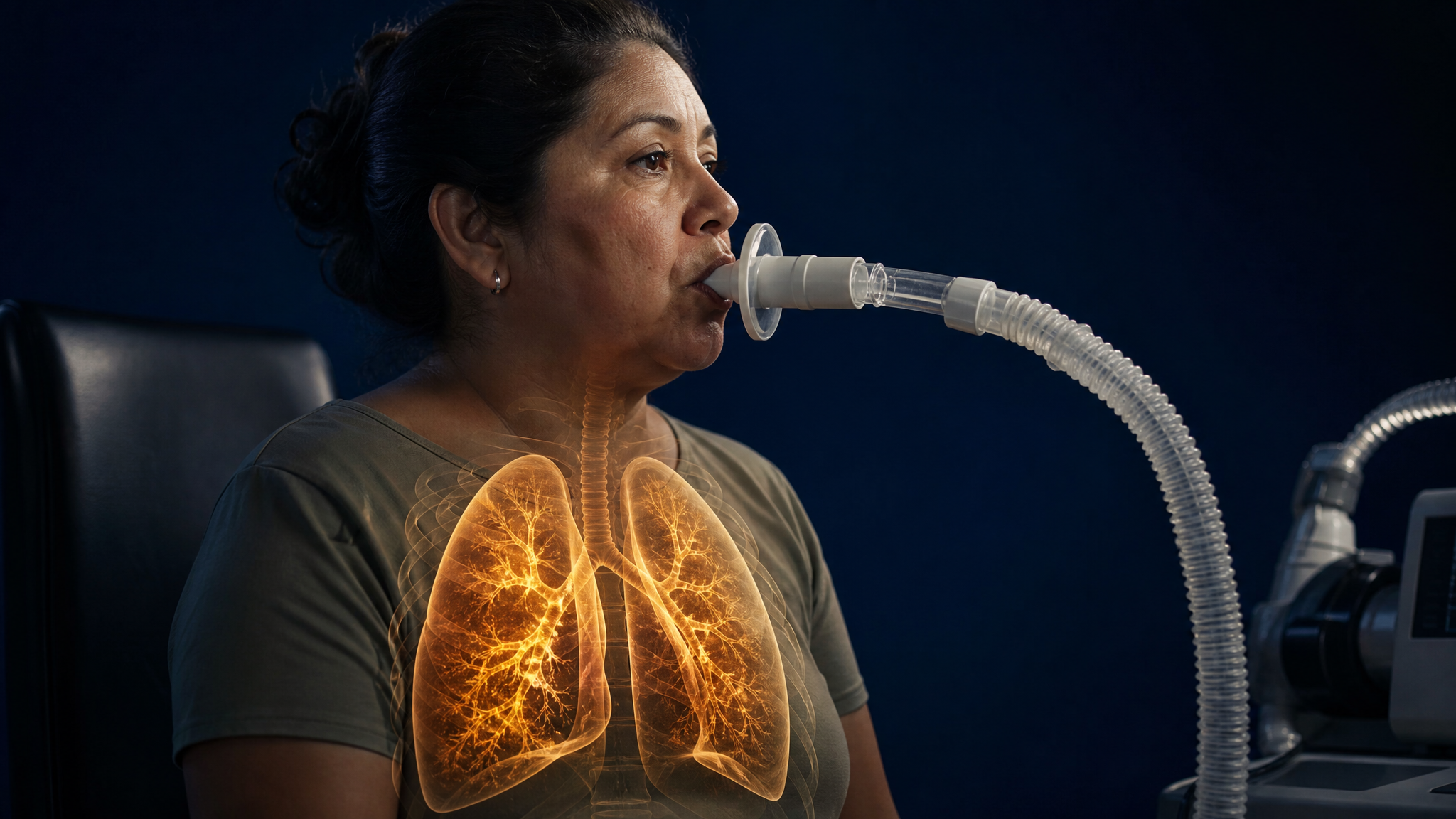
Respiratory ratings use PFT results
Lung conditions are rated primarily by pulmonary function test (PFT) results, FEV-1, FEV-1/FVC ratio, and DLCO. A low score on any one of these can support a higher rating. Make sure your test is performed with and without bronchodilator, as the VA uses the post-bronchodilator result unless the pre-bronchodilator result is normal.

Cancer ratings during treatment
An active cancer diagnosis is rated at 100% during active treatment (surgery, chemotherapy, radiation). After treatment ends, the VA schedules a follow-up exam, the rating then shifts to the residual effects of the cancer and treatment.
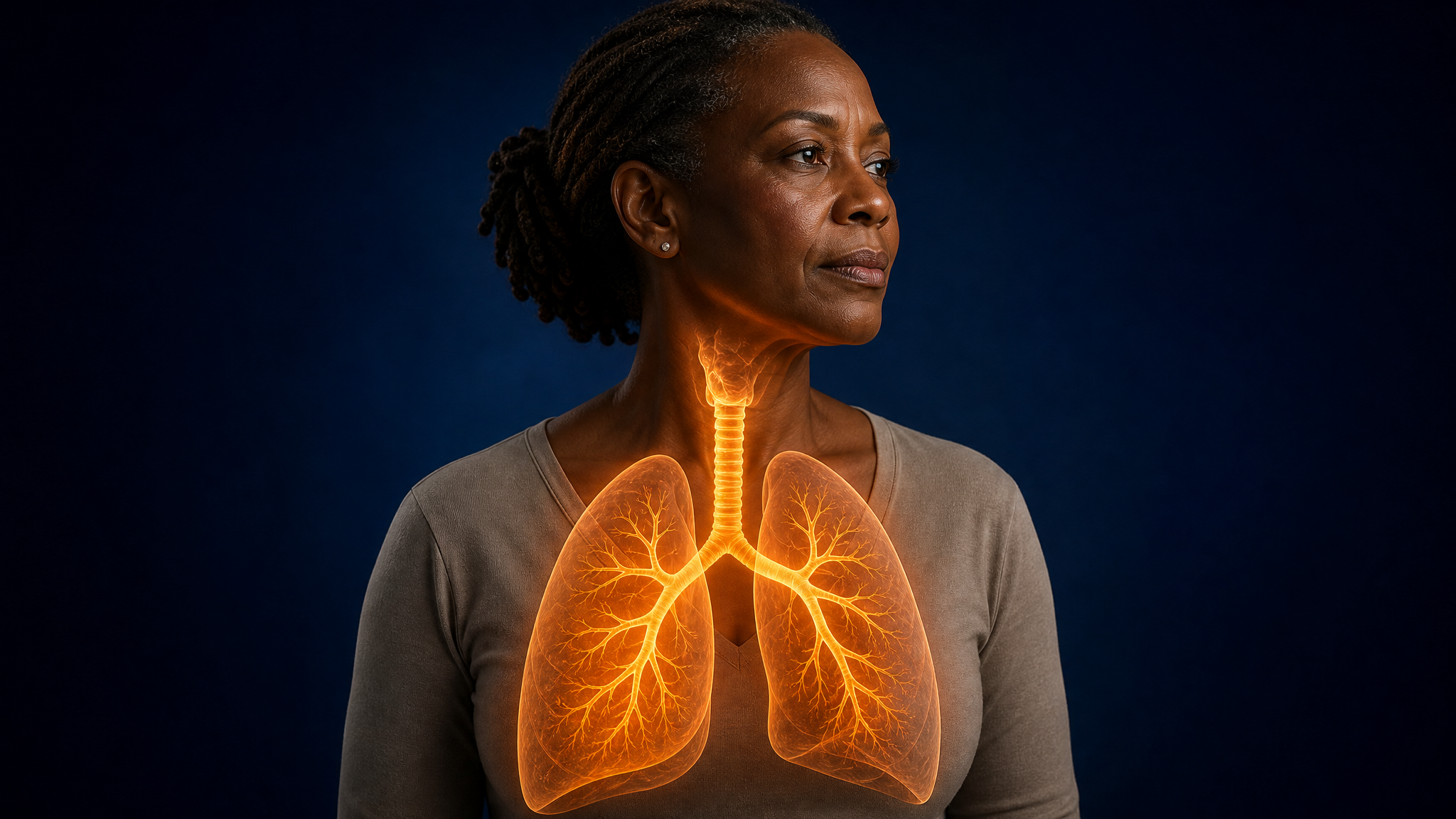
Multiple respiratory conditions
The VA generally does not assign separate ratings for multiple lung conditions affecting the same system. Instead, it rates the overall respiratory impairment under the most applicable diagnostic code, but secondary conditions (e.g., heart involvement) are rated separately.
Exact percentages depend on the diagnostic code and severity documented in your records. These notes describe what factors drive the rating, not guaranteed outcomes.
Questions Veterans Ask
These are the questions veterans ask me most about Burn Pit / Airborne Hazards claims. The answers are short on purpose, so you can find yours fast. Your part is to check each one against your own service dates, locations, and diagnosis, and bring anything that does not fit to a records review.
I smoked cigarettes, will the VA blame that instead of the burn pits?
The VA may raise it, but a presumptive burn-pit condition does not require you to rule out every other cause. A tobacco history can affect the medical picture, but it does not defeat a presumptive claim where you served in a covered location and carry a covered diagnosis. An accredited review makes sure the record frames this correctly.
My breathing tests came back "normal" but I still can't breathe. Now what?
Constrictive bronchiolitis and other burn-pit conditions often do not show on a standard spirometry test. This is a well-documented problem. The record may need specialized testing, a properly worded exam request, or a private pulmonology opinion, do not accept a denial that rests only on a "normal" routine test.
I was denied for asthma years ago. Does the PACT Act reopen it?
Yes. If asthma is now presumptive for your service and you were previously denied, file a Supplemental Claim. The PACT Act is the "new and relevant evidence" that reopens the file, and your effective date may reach back to August 10, 2022.
Do I have to prove I was standing next to a specific burn pit?
No. The presumption is based on where and when you served, not proximity to a specific pit. You do not have to identify a particular pit or a particular date. Service in a covered location during a covered period is the trigger.
What if I was exposed to burn pits but my condition isn't on the list?
You may still have a valid claim under the TERA framework. The PACT Act requires the VA to evaluate whether your service involved a Toxic Exposure Risk Activity, and if it did, to concede the exposure. You then provide a medical opinion linking your condition to the conceded burn-pit exposure.
Can I file for more than one burn-pit condition at the same time?
Yes, and you should. Filing for sinusitis, asthma, GERD, and sleep apnea as separate conditions, each on its own diagnostic code, is how combined ratings climb. Do not lump them into one claim.
Related Pathways & Services
Toxic exposure claims rarely stand alone. A presumptive grant often opens the door to secondary conditions, a higher combined rating, TDIU, or survivor benefits down the road. If you have already been denied, the appeal lane you choose matters as much as the evidence. The pages below walk through each of those next steps so you can see the whole picture before you decide what to file.