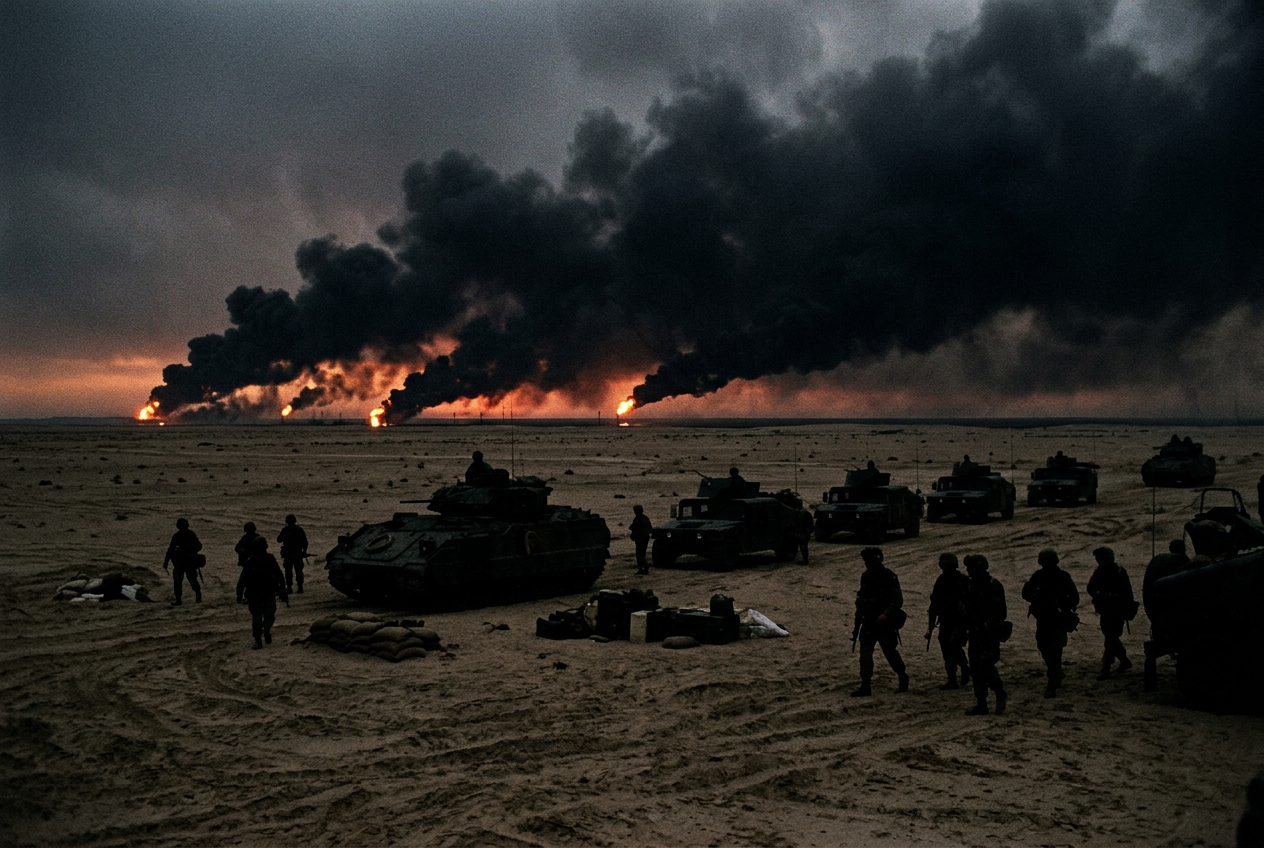
Southwest Asia · 38 CFR §3.317
Gulf War Illness & Undiagnosed Claims
Gulf War veterans came home with fatigue, joint pain, headaches, gut problems, and cognitive fog that no single diagnosis explained. For years the VA used the absence of a clear diagnosis against them.
Under 38 CFR §3.317 the opposite is true: an undiagnosed illness or a chronic multisymptom illness can be presumptively service-connected precisely because it cannot be tied to a specific cause, as long as it appears in a Gulf War veteran and meets the duration and severity rules.
Gulf War Illness at a Glance
These numbers show the scale of the problem, not the strength of your individual claim. The VA does not grant claims because a lot of veterans were exposed. It grants them when your file shows you were in the right place at the right time and you carry a current diagnosis. Use these figures as context, then move down the page and check your own service dates, locations, and medical records against each step.
700K+
U.S. troops deployed to the Persian Gulf in 1990–1991
1 in 3
Gulf War veterans report chronic unexplained symptoms
10%
minimum disability threshold for qualifying symptoms
6 mo
minimum duration required for a chronic undiagnosed illness
Qualifying Service Locations
Your service location and dates are what trigger the exposure concession. Find where your service fits below, then make sure the record proves it. The VA will not take your word for it. Your DD-214, deployment orders, unit records, or personnel file have to place you in the location during the covered dates. Your part is to pull those documents before you file. If your orders are missing or vague, buddy statements and unit histories can fill the gap, but they take time to gather, so start now.
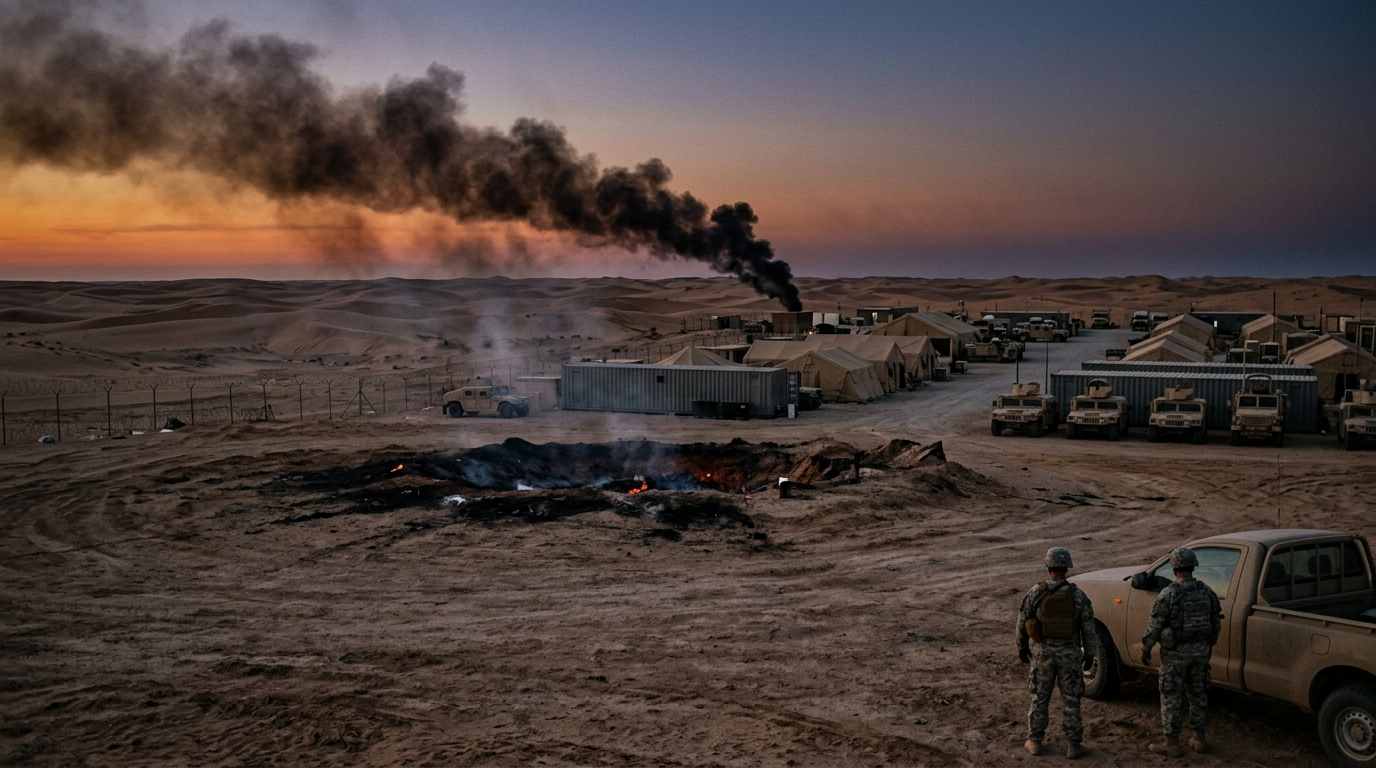
Southwest Asia theater
Iraq, Kuwait, Saudi Arabia, Bahrain, Qatar, UAE, Oman, the Gulf of Aden, the Gulf of Oman, the Persian Gulf, the Arabian Sea, the Red Sea, and the airspace above, August 2, 1990 to present.
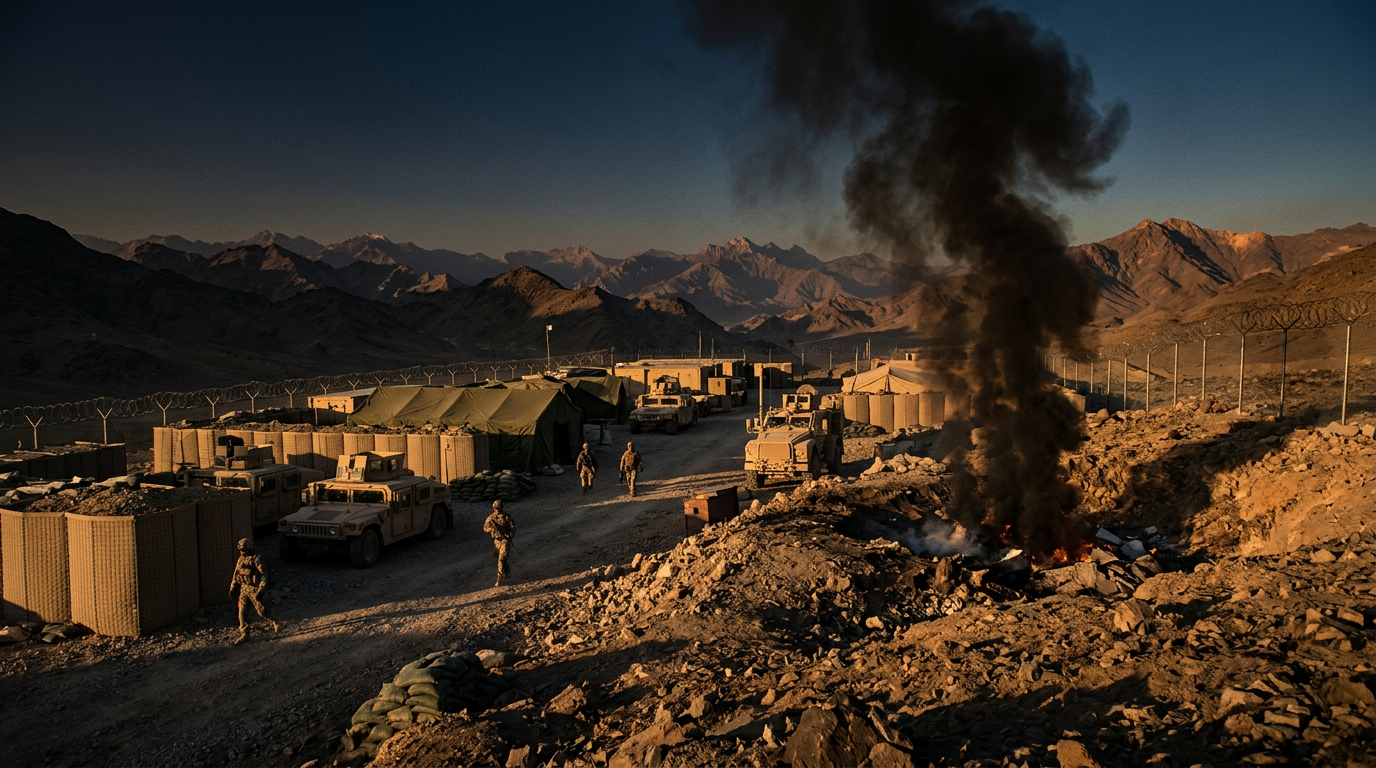
Afghanistan & related
Afghanistan, Djibouti, Syria, Uzbekistan and other locations added for certain qualifying illnesses.
Covered Conditions
If you carry one of these diagnoses and your service matches the locations above, you are on the shortest path to service connection. The presumption covers causation, not the diagnosis. You still need a doctor to put the condition in writing, by name, in your medical records. A note that says "breathing problems" is not the same as a diagnosis of asthma or COPD. Check your records for the exact term, and if it is missing, ask your provider to document it before you file.
The key difference: §3.317 does not require a specific diagnosis. If your doctors cannot name it, that is actually what this regulation was written for. "Medically unexplained chronic multisymptom illness" is a recognized qualifying category.
The Evidence You Need
A clean, complete file is the difference between a grant and a denial. Here is what belongs in yours. Under 38 CFR 3.159 the VA has a duty to help you gather records, but it only goes after what you tell it exists. Your part is to identify every provider, sign the release forms, and send what you already have. A file that arrives complete gets decided faster and gives the rater less room to deny.

DD-214 & theater service
Confirm qualifying service in the Southwest Asia theater during the covered period.

Symptom timeline
The illness must have appeared during service or to a 10% degree at any time after, and lasted six months or more.

Documented symptoms
Objective indications: physician findings, abnormal labs, or non-medical indicators such as documented time lost from work.

Continuity statements
Your own and buddy statements describing when the symptoms started and how they have persisted since service.

Southwest Asia Registry exam
A Gulf War Registry health exam through the VA documents your symptoms and creates a baseline record. Free to Gulf War veterans.

Private medical opinions
A physician who can characterize your condition as a "medically unexplained chronic multisymptom illness" strengthens the §3.317 pathway.
How This Claim Is Won
The key to a §3.317 claim is that you do NOT need a firm diagnosis. If the doctors cannot name it, that can actually help, an "undiagnosed illness" in a Gulf War veteran is what the regulation was written to cover.
Where a condition does have a name, fibromyalgia, chronic fatigue syndrome, IBS, §3.317 still treats it as a presumptive "medically unexplained chronic multisymptom illness." Either way, the exposure and theater service carry the claim.
The biggest mistake is letting the VA narrow the claim to a specific diagnosis and then deny it because the evidence does not support that particular disease. The claim should be framed around §3.317 from the start, undiagnosed illness, medically unexplained, Gulf War presumptive.
Bottom line: an accredited records review confirms which pathway fits your file and makes the file say it out loud, before the VA decides for you.
Secondary Condition Chains
Under 38 CFR §3.310, a service-connected condition that causes or aggravates another condition makes that second condition service-connected too, each rated on its own. This is where most veterans leave money on the table. They file for the primary condition and stop. The VA will not go looking for the secondaries for you. Each one needs a current diagnosis and a medical opinion that ties it to the primary, either as the cause or as the thing that made it worse. Read the chains below and ask your doctor about every one that fits.
| Primary (Service-Connected) | Secondary It Can Cause | Rating Impact |
|---|---|---|
| Chronic fatigue syndrome | Secondary depression / anxiety | CFS and mental health conditions frequently co-occur, each is separately ratable |
| Fibromyalgia | Sleep disturbance / insomnia | Sleep impairment from chronic pain is a separately ratable secondary |
| IBS / GI disorders | Secondary anxiety or depression | Chronic GI dysfunction commonly causes mental health secondaries |
| Chronic pain (Gulf War) | Migraine headaches | Headaches as part of the multisymptom picture, rated under DC 8100 |
A records review identifies the full chain of secondaries that flow from your primary condition. See the full secondary-conditions analysis →
Rating Information
Understanding how the VA rates gulf war illness conditions helps you document the evidence that drives a higher rating. Service connection only gets you in the door. The percentage is set by the criteria in 38 CFR Part 4, and those criteria turn on specific test results, symptoms, and treatment records. If the exam misses something, the rating comes in low. Bring your own records to the exam, describe your worst days honestly, and check the decision against the criteria below.

Fibromyalgia, 10%, 20%, or 40%
Fibromyalgia is rated under its own diagnostic code at 10% (symptoms controlled by continuous medication), 20% (episodic, with exacerbations triggered by stress), or 40% (constant or near-constant symptoms refractory to therapy). The maximum schedular rating is 40%.

Chronic fatigue, by severity
Chronic fatigue syndrome is rated on how severely it limits routine daily activities. Document exactly what you can and cannot do, walking distance, standing time, ability to concentrate, because the rating turns on functional limitation.

IBS, rated by frequency and severity
Irritable bowel syndrome is rated under the GI diagnostic codes based on the frequency of episodes, disturbance of bowel function, and abdominal distress. Keep a symptom diary, frequency and duration matter for the rating.
Exact percentages depend on the diagnostic code and severity documented in your records. These notes describe what factors drive the rating, not guaranteed outcomes.
Questions Veterans Ask
These are the questions veterans ask me most about Gulf War Illness claims. The answers are short on purpose, so you can find yours fast. Your part is to check each one against your own service dates, locations, and diagnosis, and bring anything that does not fit to a records review.
Every test I take is normal. Doesn't that kill my claim?
Not under §3.317. Normal tests are consistent with an undiagnosed or medically unexplained illness, which is exactly the category the regulation covers for Gulf War veterans. The record needs to be framed around §3.317, not around finding a specific disease.
How long do my symptoms have to last?
Six months or more. The illness must have appeared during qualifying service or become at least 10% disabling at any time after service, and it must be chronic, existing for six months or longer.
Is there a deadline for Gulf War Illness claims?
The presumptive period has been extended repeatedly and now runs well into the future. You should not assume you are too late, confirm the current window before writing off a claim.
I have been diagnosed with fibromyalgia. Does §3.317 still apply?
Yes. Fibromyalgia is specifically listed as a "medically unexplained chronic multisymptom illness" under §3.317. The regulation covers both undiagnosed illnesses AND named conditions that qualify as chronic multisymptom illnesses.
Can I file for Gulf War Illness if I served after 1991?
Yes. The Southwest Asia theater coverage extends from August 2, 1990 to the present. Post-9/11 veterans who served in qualifying locations (Iraq, Afghanistan, etc.) are covered under the same §3.317 framework.
What if the VA diagnosed me with something specific and denied the claim?
If the VA narrowed your claim to a specific diagnosis and denied it, you may have grounds to reframe the claim under §3.317 as an undiagnosed or medically unexplained illness. The way the claim is characterized often determines whether it wins or loses.
Related Pathways & Services
Toxic exposure claims rarely stand alone. A presumptive grant often opens the door to secondary conditions, a higher combined rating, TDIU, or survivor benefits down the road. If you have already been denied, the appeal lane you choose matters as much as the evidence. The pages below walk through each of those next steps so you can see the whole picture before you decide what to file.