Atomic Veterans · 38 CFR §3.309(d) & §3.311
Ionizing Radiation Exposure Claims
From atmospheric bomb tests to the cleanup of Hiroshima and Nagasaki to uranium handling, thousands of service members were exposed to ionizing radiation, often without protection and without records that told them what happened.
The VA recognizes two separate radiation pathways. One is a true presumptive list for "radiation-exposed veterans." The other, under §3.311, is a dose-reconstruction pathway for other radiogenic diseases. Knowing which one fits your service is the whole game.
Radiation Exposure at a Glance
These numbers show the scale of the problem, not the strength of your individual claim. The VA does not grant claims because a lot of veterans were exposed. It grants them when your file shows you were in the right place at the right time and you carry a current diagnosis. Use these figures as context, then move down the page and check your own service dates, locations, and medical records against each step.
400K+
service members participated in atmospheric nuclear tests (1945–1962)
2
separate legal pathways: §3.309(d) presumptive list and §3.311 dose reconstruction
21+
radiogenic cancers recognized under the radiation exposure presumption
DTRA
Defense Threat Reduction Agency holds dose records, even when your STRs are silent
Qualifying Service Locations
Your service location and dates are what trigger the exposure concession. Find where your service fits below, then make sure the record proves it. The VA will not take your word for it. Your DD-214, deployment orders, unit records, or personnel file have to place you in the location during the covered dates. Your part is to pull those documents before you file. If your orders are missing or vague, buddy statements and unit histories can fill the gap, but they take time to gather, so start now.
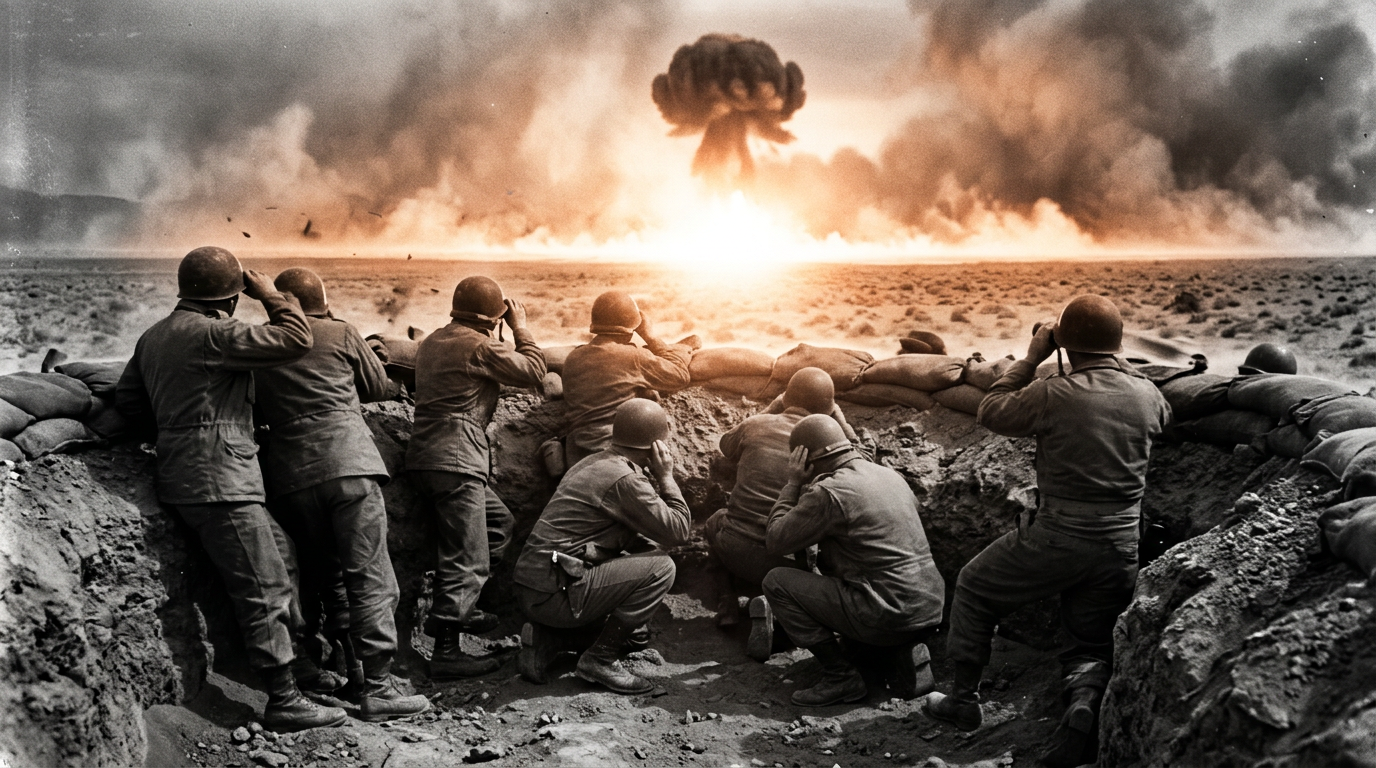
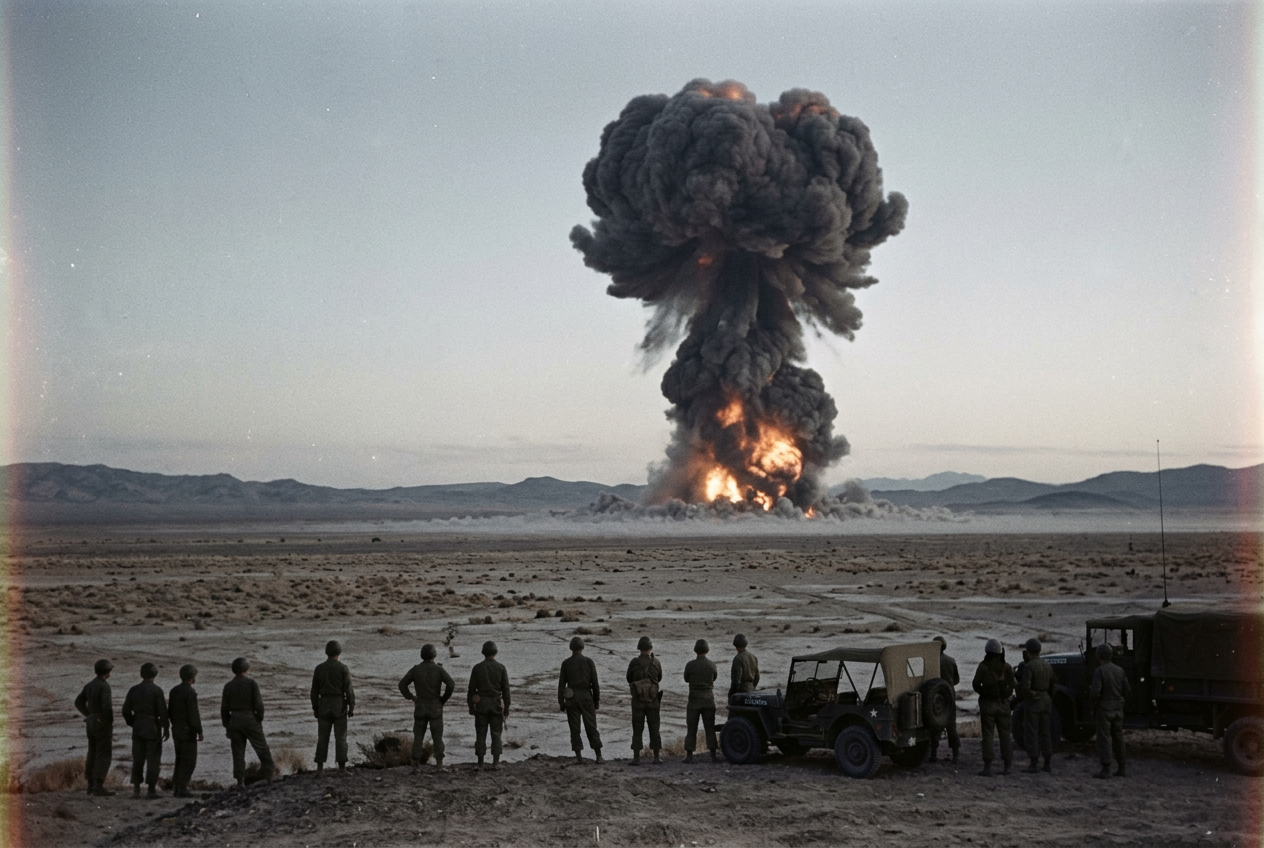
Atmospheric nuclear tests
On-site participation in U.S. atmospheric detonations (1945–1962), including test ranges in Nevada and the Pacific.
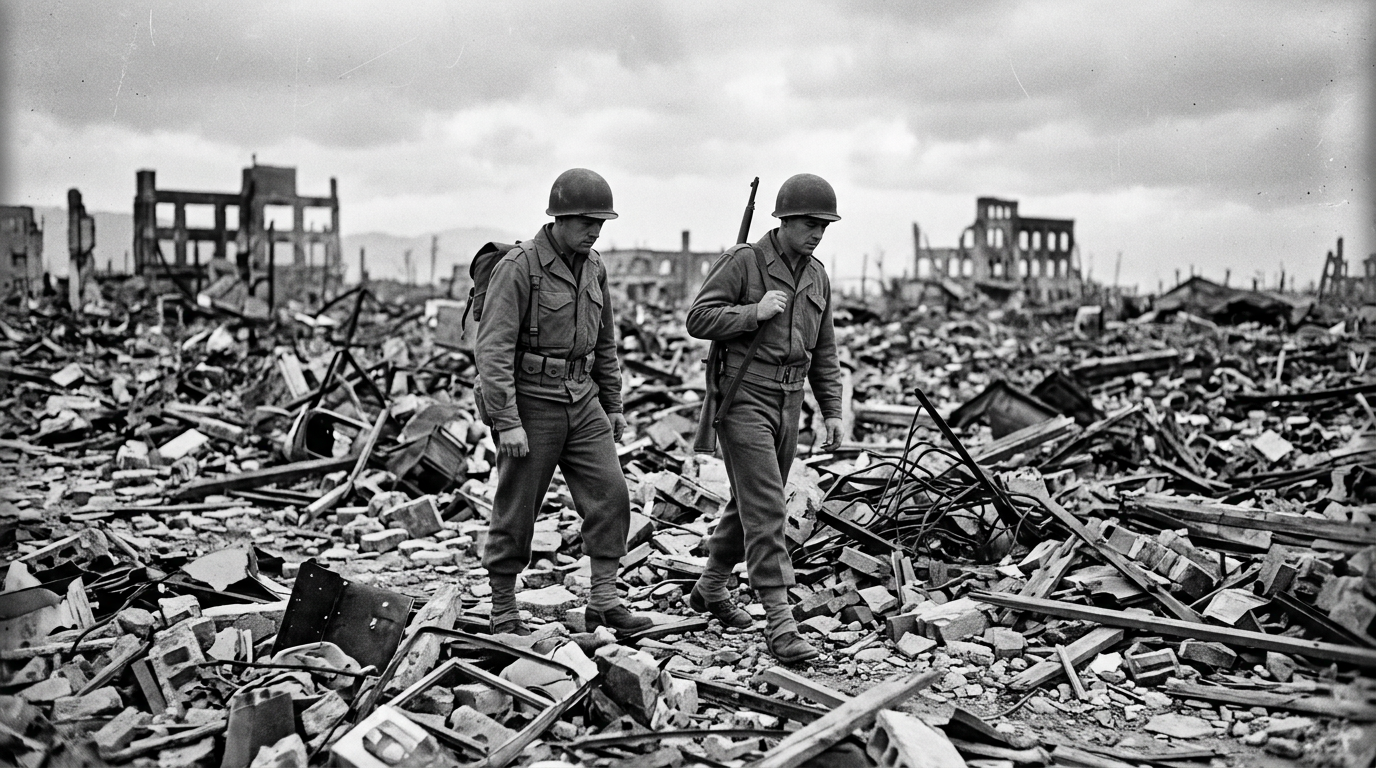
Hiroshima / Nagasaki occupation
Service in the occupation forces of Hiroshima or Nagasaki, Japan, between August 6, 1945 and July 1, 1946.

POW in Japan
Former prisoners of war interned near Hiroshima or Nagasaki during the same period.

Nuclear facilities & cleanup
Gaseous diffusion plants (Paducah, Portsmouth, Oak Ridge K-25), plus Amchitka Island (before 1974) and Enewetak Atoll cleanup (1977–1980).
Covered Conditions
If you carry one of these diagnoses and your service matches the locations above, you are on the shortest path to service connection. The presumption covers causation, not the diagnosis. You still need a doctor to put the condition in writing, by name, in your medical records. A note that says "breathing problems" is not the same as a diagnosis of asthma or COPD. Check your records for the exact term, and if it is missing, ask your provider to document it before you file.
The §3.309(d) presumptive list covers "radiation-exposed veterans", those who participated in nuclear tests, occupied Hiroshima/Nagasaki, or were POWs in Japan. For radiogenic diseases NOT on this list, §3.311 provides a separate pathway that uses a dose reconstruction to evaluate the claim.
The Evidence You Need
A clean, complete file is the difference between a grant and a denial. Here is what belongs in yours. Under 38 CFR 3.159 the VA has a duty to help you gather records, but it only goes after what you tell it exists. Your part is to identify every provider, sign the release forms, and send what you already have. A file that arrives complete gets decided faster and gives the rater less room to deny.

Proof of participation
DD-214, unit records, or DTRA records placing you at a test, in the occupation forces, or at a listed facility.

Current diagnosis
A current diagnosis of a radiogenic cancer or disease.

Dose estimate (§3.311)
For diseases not on the presumptive list, a radiation dose reconstruction from the Defense Threat Reduction Agency drives the analysis.

Latency timeline
Radiogenic diseases have recognized latency periods, the record should show onset consistent with the exposure.

DTRA request
If your records are silent on radiation exposure, the DTRA maintains records of nuclear test participation and can reconstruct your dose. This request must be made, it does not happen automatically.

Unit histories & after-action reports
Unit-level records can place you at a nuclear event even when individual records were lost or never created.
How This Claim Is Won
If your cancer is on the §3.309(d) list and you are a "radiation-exposed veteran," service connection is presumed, the same simple two-step proof of participation plus diagnosis.
If your disease is radiogenic but not on that list, §3.311 opens a second door: the VA obtains a dose reconstruction and refers the case for a medical opinion on whether the exposure at least as likely as not caused the disease. This pathway is technical, the dose estimate is where these claims are won or lost.
The most common failure point is an underestimated dose. If the DTRA dose reconstruction comes back low, the claim often dies. Understanding how dose estimates are calculated, and challenging them when they are wrong, is critical in radiation cases.
Bottom line: an accredited records review confirms which pathway fits your file and makes the file say it out loud, before the VA decides for you.
Secondary Condition Chains
Under 38 CFR §3.310, a service-connected condition that causes or aggravates another condition makes that second condition service-connected too, each rated on its own. This is where most veterans leave money on the table. They file for the primary condition and stop. The VA will not go looking for the secondaries for you. Each one needs a current diagnosis and a medical opinion that ties it to the primary, either as the cause or as the thing that made it worse. Read the chains below and ask your doctor about every one that fits.
| Primary (Service-Connected) | Secondary It Can Cause | Rating Impact |
|---|---|---|
| Thyroid cancer (radiation) | Hypothyroidism (post-treatment) | After thyroidectomy, lifelong thyroid hormone replacement is required, separately ratable |
| Any radiation-related cancer | Secondary depression / anxiety | Cancer diagnosis and treatment commonly cause mental health conditions, separately ratable |
| Radiation-related cancer | Surgical residuals and scarring | Surgical treatment for cancer produces separately ratable residuals |
A records review identifies the full chain of secondaries that flow from your primary condition. See the full secondary-conditions analysis →
Rating Information
Understanding how the VA rates radiation exposure conditions helps you document the evidence that drives a higher rating. Service connection only gets you in the door. The percentage is set by the criteria in 38 CFR Part 4, and those criteria turn on specific test results, symptoms, and treatment records. If the exam misses something, the rating comes in low. Bring your own records to the exam, describe your worst days honestly, and check the decision against the criteria below.

Active cancer = 100% during treatment
Any active malignancy is rated at 100% during active treatment. After treatment ends, the VA schedules a follow-up exam and rates the residual effects.

Post-treatment residuals matter
Once a cancer is in remission, the rating drops to reflect residual effects, but surgical residuals, organ function loss, and secondary conditions (hypothyroidism after thyroid cancer, for example) are each rated separately.

Dose reconstruction is the key evidence
In §3.311 claims, the dose reconstruction from DTRA is the single most important piece of evidence. An underestimated dose can kill an otherwise valid claim. Challenging a low dose estimate with additional records or expert analysis can change the outcome.
Exact percentages depend on the diagnostic code and severity documented in your records. These notes describe what factors drive the rating, not guaranteed outcomes.
Questions Veterans Ask
These are the questions veterans ask me most about Radiation Exposure claims. The answers are short on purpose, so you can find yours fast. Your part is to check each one against your own service dates, locations, and diagnosis, and bring anything that does not fit to a records review.
My records don't mention radiation at all. Can I still file?
Yes. Radiation exposure was frequently undocumented. The Defense Threat Reduction Agency maintains participation and dose records that can establish exposure even when your service treatment records are silent. Those records have to be requested, they do not appear on their own.
What is a "dose reconstruction" and do I need one?
For diseases not on the presumptive list, §3.311 requires the VA to estimate the radiation dose you received. That estimate then drives a medical opinion on causation. It is the single most important piece of a non-presumptive radiation claim.
Is chronic lymphocytic leukemia covered?
CLL is handled differently from other leukemias in the radiation rules, but it is a presumptive Agent Orange condition. If both exposures are in play, the file should pursue every pathway rather than assuming one rule controls.
My father participated in nuclear tests and died of cancer. Can survivors file?
Yes. Surviving spouses and dependents may be eligible for Dependency and Indemnity Compensation (DIC) if the veteran died from a service-connected condition. If the cancer would have been presumptive under §3.309(d), the survivor claim is strong.
What about exposure from depleted uranium?
Depleted uranium exposure is typically addressed through the TERA framework rather than the §3.309(d) presumptive pathway. If your service involved depleted uranium, through munitions, vehicle armor, or cleanup, the exposure should be conceded under TERA, and a medical opinion links the condition to the exposure.
How far back can a radiation claim go?
Radiation-related cancers can have extremely long latency periods, decades between exposure and diagnosis. There is no statutory limit on when the disease can appear after the qualifying exposure.
Related Pathways & Services
Toxic exposure claims rarely stand alone. A presumptive grant often opens the door to secondary conditions, a higher combined rating, TDIU, or survivor benefits down the road. If you have already been denied, the appeal lane you choose matters as much as the evidence. The pages below walk through each of those next steps so you can see the whole picture before you decide what to file.