Service Population
Women Veterans
MST, reproductive and gender-specific conditions, and the claims the system routinely under-rates
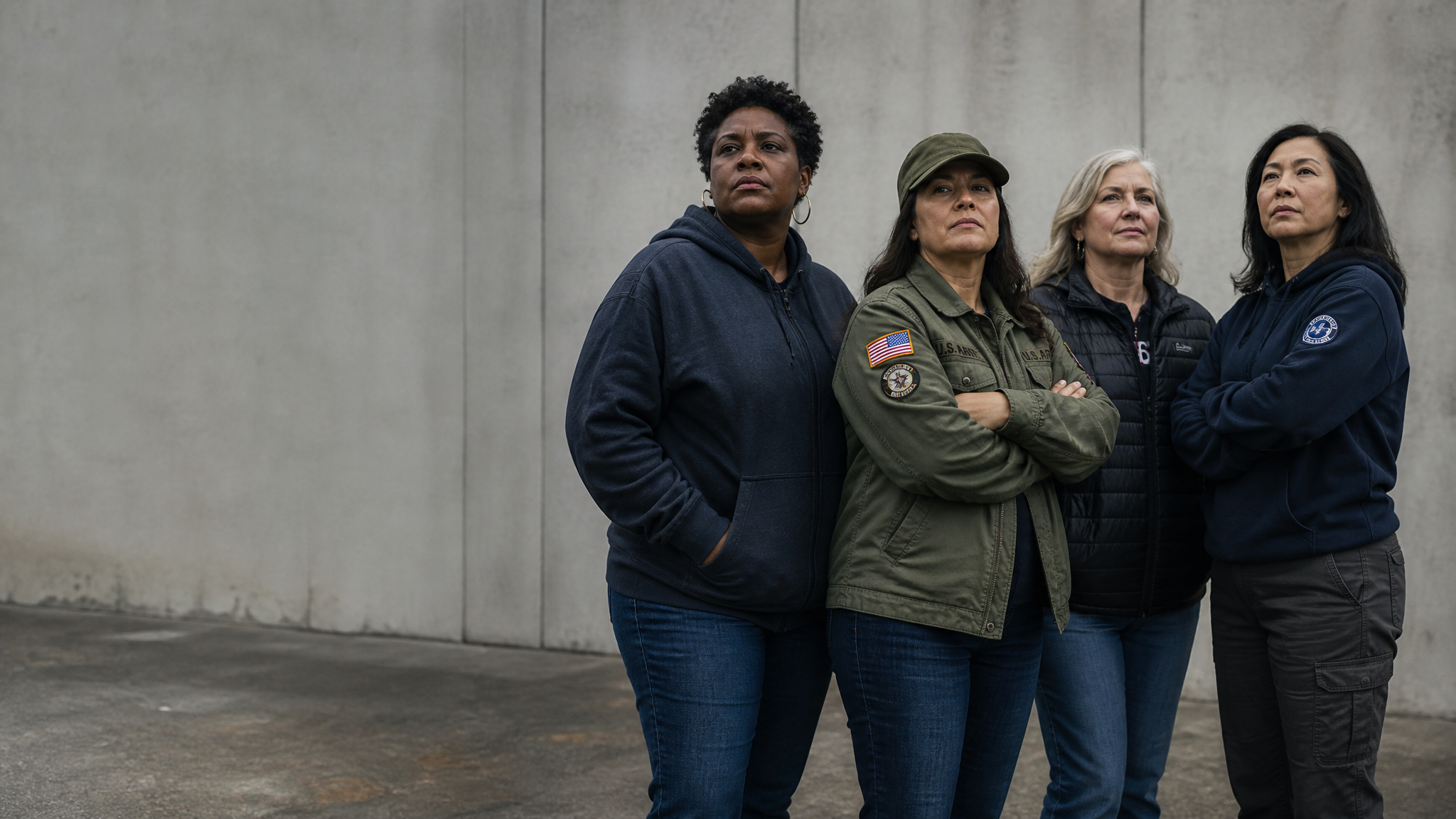
Women are the fastest-growing veteran population and face a distinct set of claims, military sexual trauma, reproductive conditions, and musculoskeletal injuries from ill-fitting gear, that the VA has historically under-developed.
A Different Claim Profile, Not a Lesser One
Women veterans file claims across the same rating schedule as everyone else, but the mix is different and the system was not built around it. Military sexual trauma, reproductive and gynecological conditions, and musculoskeletal injuries caused by body armor and rucks designed for a different frame all show up at higher rates, and all three are areas where records are thin and examiners are least experienced.
Military Sexual Trauma, the §3.304(f)(5) Rule Nobody Tells You About
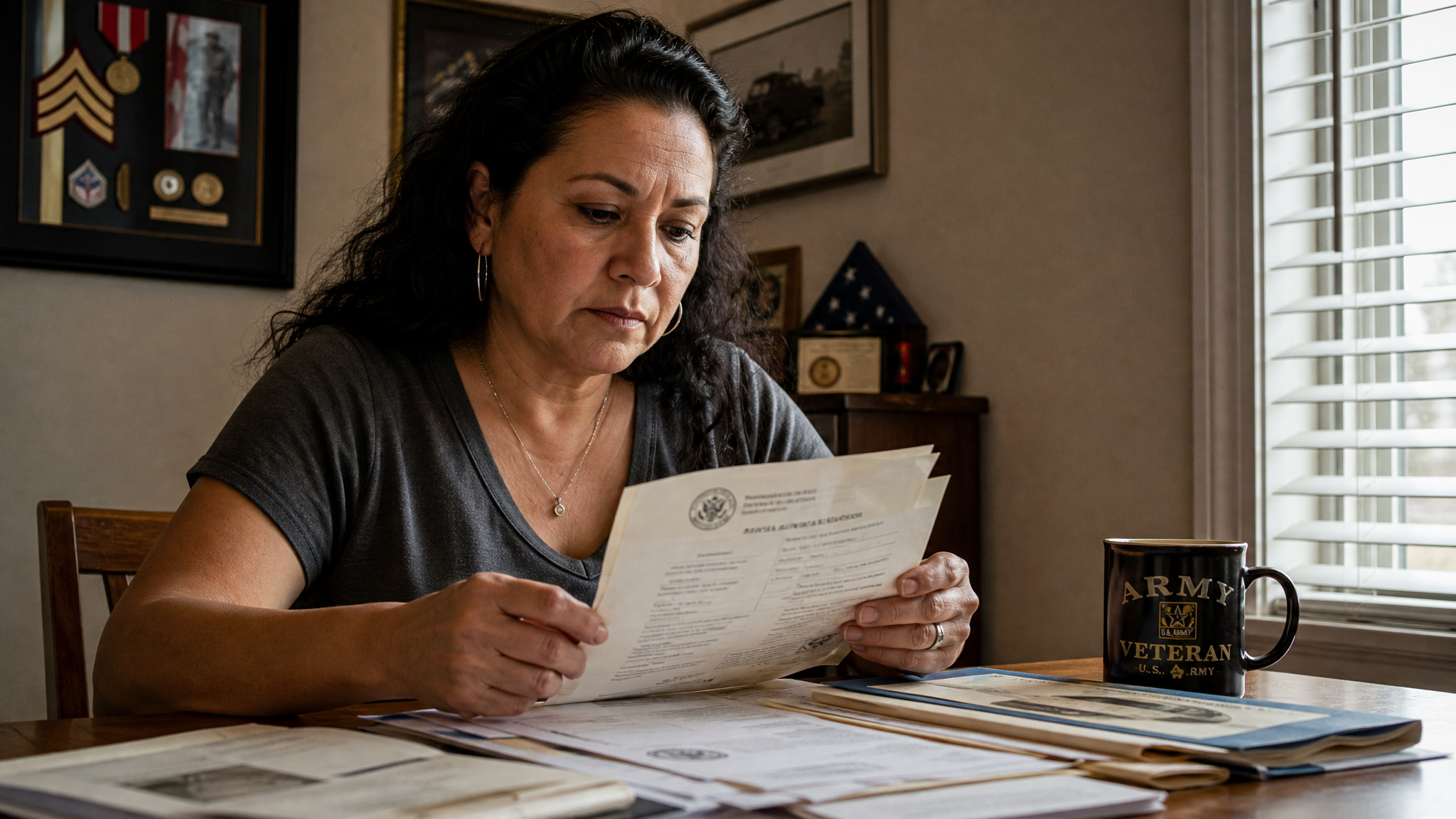
MST is not itself a diagnosis; it is an experience. The claim is filed for the resulting condition, most often PTSD, but also depression, anxiety, or eating disorders. The critical regulation is §3.304(f)(5), which expressly recognizes that personal-assault stressors are frequently unreported and permits the VA to accept evidence other than service records to corroborate the stressor.
That is a substantially lower bar than most veterans believe, and it is the single most important thing to understand about an MST claim: you do not need a police report or a command investigation.

Markers the regulation accepts
Records from law enforcement, rape crisis centers, mental health counseling centers, hospitals, or physicians; pregnancy or STI tests; statements from family, roommates, clergy, or fellow service members.

Behavior-change markers
A request for transfer, deterioration in work performance, substance abuse, episodes of depression or anxiety without a prior history, or unexplained economic or social behavior changes.

The medical-opinion bridge
Under §3.304(f)(5) the VA may submit the evidence to a medical or mental health professional for an opinion on whether it indicates the stressor occurred. That opinion can carry the claim on its own.
The Advocate’s Take
The most damaging myth in MST claims is that you needed to report it at the time. You did not. 38 CFR 3.304(f)(5) was written because most survivors never reported, and the law refuses to punish them for that silence.
Here is how the VA looks at it. For PTSD and other mental health conditions based on military sexual trauma, the VA must consider evidence from outside your service records. These are called markers: a request for transfer, a sudden drop in performance evaluations, new substance use, episodes of depression or panic, unexplained changes in behavior, pregnancy or STD testing, or statements from family, friends, clergy, or counselors. The VA must tell you about these options before it denies, and an examiner can review the markers and give an opinion on whether they show the assault happened.
What I need from you: your personnel file, especially evaluations before and after, any transfer or reassignment records, medical and sick call records, and the names of anyone you told, then or later. Your own statement on VA Form 21-0781 matters. Write only what you are comfortable writing. You decide how much detail to share, and you can share it with me in private first.
Walk through it with me. First, we file an Intent to File, VA Form 21-0966. Second, we gather your records and look for the markers. Third, we prepare your statement and any supporting statements from people who saw the change in you. Fourth, we make sure your current diagnosis and treatment records are in the file. Then we prepare you for the exam so it does not feel like an interrogation, and we request a different examiner if you need one.
The pitfalls: thinking no report means no claim, an exam that dismisses markers, and denials that never discuss §3.304(f)(5) at all. Shocking, I know, but a denial that ignored the markers is a legal error, not a final answer.
Your part: take care of yourself first, keep up with treatment, and tell me what you can, when you can. We work WITH you, not FOR you. You carried this alone long enough. You do not have to carry the paperwork alone too.
Gender-Specific and Reproductive Conditions

Endometriosis, uterine fibroids & pelvic inflammatory disease
Rated under §4.116 on pain, bleeding, and frequency of required treatment, the exact facts examiners routinely fail to document, which is why these conditions land at 0% far too often.

Female sexual arousal disorder
Frequently secondary to service-connected mental-health conditions or the medications used to treat them, and claimable in its own right under §3.310.

Infertility & loss of a reproductive organ
Infertility tied to service, and loss or loss of use of a reproductive organ, can qualify for Special Monthly Compensation on top of the schedular rating, a benefit the VA almost never raises on its own.

Hysterectomy & removal of the ovaries
Complete or partial hysterectomy and removal of the ovaries carry specific minimum ratings under §4.116, including a protected period after surgery, that the VA frequently under-applies.

Breast conditions after service-connected cancer
Surgery and reconstruction following service-connected breast cancer are ratable, and the residuals, scarring, range-of-motion loss, and the mental-health toll, each rate separately.

Menopause-related conditions
Early or induced menopause secondary to service-connected treatment is claimable under §3.310, with its endocrine and mental-health effects rated in their own right.
The Musculoskeletal Claims Nobody Files
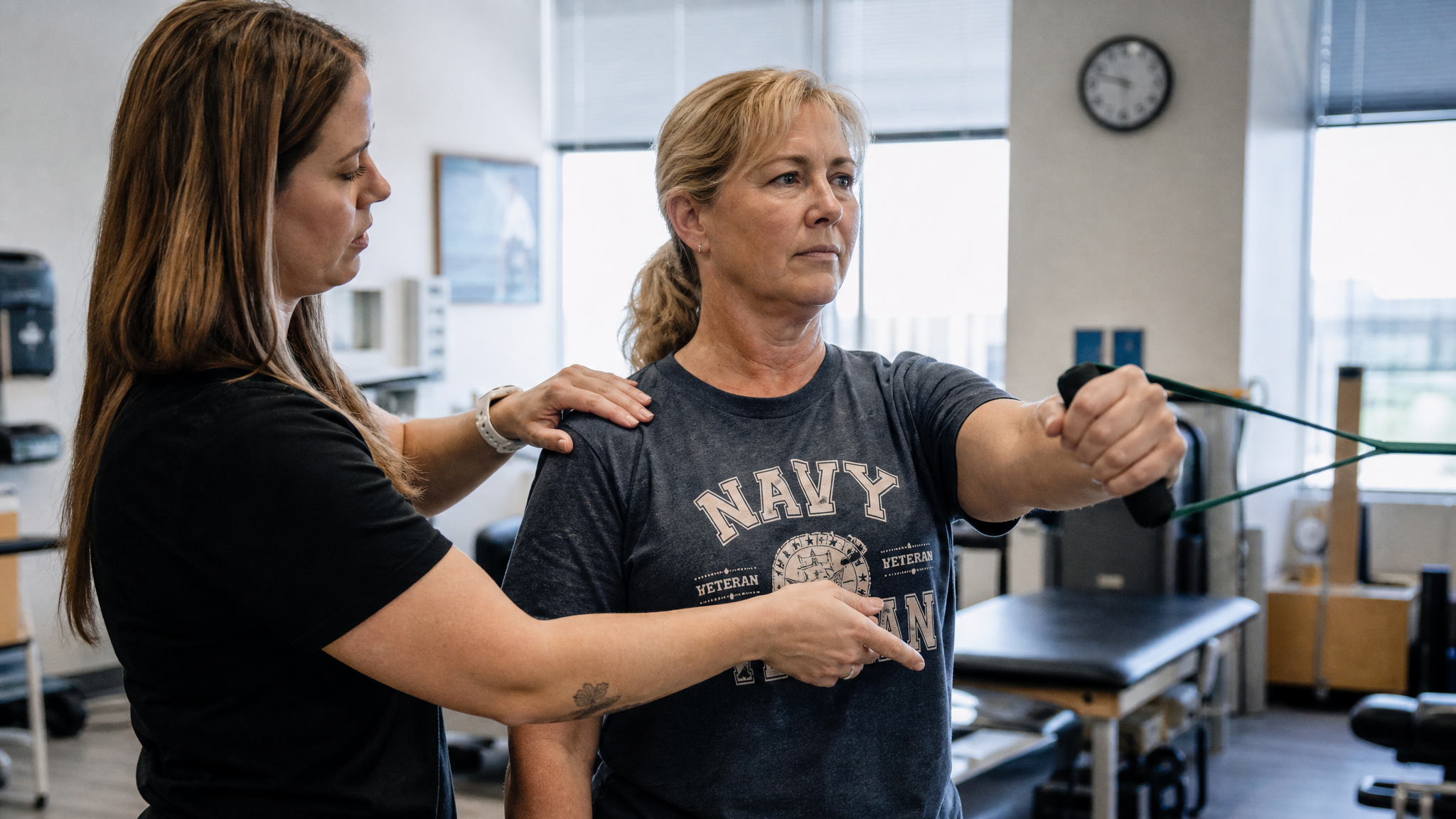
Body armor, load-bearing equipment, and rucks were engineered around a male frame. The predictable result is a documented pattern of hip, pelvic, lower-back, knee, and shoulder injuries in women veterans that frequently never gets claimed, because the veteran assumes “everybody’s back hurts.” It is compensable, it is provable through service treatment records and sick-call slips, and it drives a long chain of secondary conditions under §3.310, radiculopathy, gait-altered knee and hip degeneration, and chronic pain-driven depression.
Evidence That Wins Women Veterans’ Claims

Personnel records showing transfers, evaluation changes, or disciplinary shifts around the stressor period
Statements from anyone you told at the time, family, friend, clergy, roommate

Service treatment records including sick call for musculoskeletal and gynecological complaints
Current mental health treatment records and a stressor-linked diagnosis
Gynecological and obstetric records documenting onset and severity

Your own detailed statement, under §3.102 reasonable doubt is resolved in your favor
Where the VA Gets This Wrong
Two failures dominate: denying an MST-based PTSD claim for “no verified stressor” without ever applying the §3.304(f)(5) marker analysis, and rating gynecological conditions at 0% because the examiner never documented frequency, bleeding, or pain severity against the §4.116 criteria.
Building a Women Veterans Claim That Wins
Every claim stands on three legs. Knock one out and the claim falls over, no matter how bad your symptoms are. Before you file, look at your file and find all three. If one is missing, that is the piece to build first. The VA will not build it for you, and filing without it usually just buys you a denial letter and lost time.
 01
01A current diagnosis
A doctor has to say you have it, now, in writing. Not "reports symptoms of", a diagnosis. Without this leg, nothing else in the file matters.
 02
02A link to your service
An event, an injury, an exposure, or an already service-connected condition. Service records, unit records, buddy statements, and your own account all count as evidence.
 03
03A nexus that ties the two together
A medical opinion stating it is at least as likely as not that your service caused or aggravated the condition. That phrase is a legal standard: 50 percent or better. It is the leg most denials break.
Document the problem before you file
• Keep a dated symptom log for at least 30 days. Frequency, severity, and what it stopped you from doing.
• Get statements from people who see it, a spouse, a coworker, a battle buddy. Lay evidence is legal evidence.
• Pull your private treatment records. The VA only has to help; it does not have to go find everything.
• Write down what you have stopped doing. Lost work, lost sleep, lost activities. That is what impairment looks like on paper.
Your Rights in This Process
Most veterans walk into this system without knowing the rules the VA itself has to follow. That is how claims get denied for missing evidence the VA was supposed to help you find, and how exams get done by the wrong clinician. These six rights are written into federal regulation. Know them before you file, and make the VA honor every one of them when it decides your claim.

It costs nothing to file
Filing a VA claim is free. Accredited representatives may only charge for work on an appeal after an initial decision, and those fees are capped by 38 CFR §14.636.

The VA has a Duty to Assist you
Under 38 CFR §3.159 the VA must help you get the evidence it needs, and it must tell you what is missing before it denies you for missing it.

You can ask for a different examiner
You may request a trauma-informed clinician, or a clinician of a specific gender, for a C&P examination. Ask before the exam is scheduled.

You can claim every condition you have
There is no limit and no penalty. Primary conditions, secondary conditions, and conditions made worse by service all get filed.

You can appeal and be re-evaluated
A denial is not the end. You may submit new evidence, request a higher-level review, appeal to the Board, and ask for re-evaluation when your condition worsens.

You must be considered for TDIU
If your service-connected conditions keep you from holding substantially gainful employment, you may be paid at the 100 percent rate without a 100 percent rating.
When You Are Ready to File
Talk to an accredited representative before you file. It costs nothing to ask, and the order you file in changes what the VA is allowed to award you. Albert L. Thombs Jr. is VA-Accredited Claims Agent #45147. A short conversation now can save you a year spent waiting in the wrong review lane.
Your part starts at the kitchen table. Pull your DD-214, your rating decision if you have one, and the names of every doctor who treats you today. Under 38 CFR 3.159 the VA has to help you gather records, but it can only chase the records you tell it about. Leave a doctor off the 21-4142 and that treatment may never reach your file.

The application itself
This is the form that opens a disability compensation claim. List every condition you are claiming, and name the secondary conditions explicitly.
Release for private records
Authorises the VA to request records from your private doctors. Without it, treatment outside the VA may never reach your file.
Lay or buddy statement
The official form for your own statement and for statements from people who witnessed the event or the change in you.
Keep Reading
One page never tells the whole story of a claim. The VA rates every condition on its own evidence, its own exam and its own diagnostic code, and the pieces connect in ways most veterans never see until a decision letter lands. These are the pages that pick up where this one stops. Read them before you file, not after a denial, because the cheapest fix in this process is the mistake you never make.

Vietnam Veterans & Agent Orange
Veterans with qualifying Vietnam-era service are presumed exposed to Agent Orange, and a long list of conditions is presumptively service-connected, no nexus required.
Read more
Blue Water Navy Veterans
The Blue Water Navy Vietnam Veterans Act restored Agent Orange presumptions to veterans who served aboard ships in the offshore waters of Vietnam, reversing years of wrongful denials.
Read more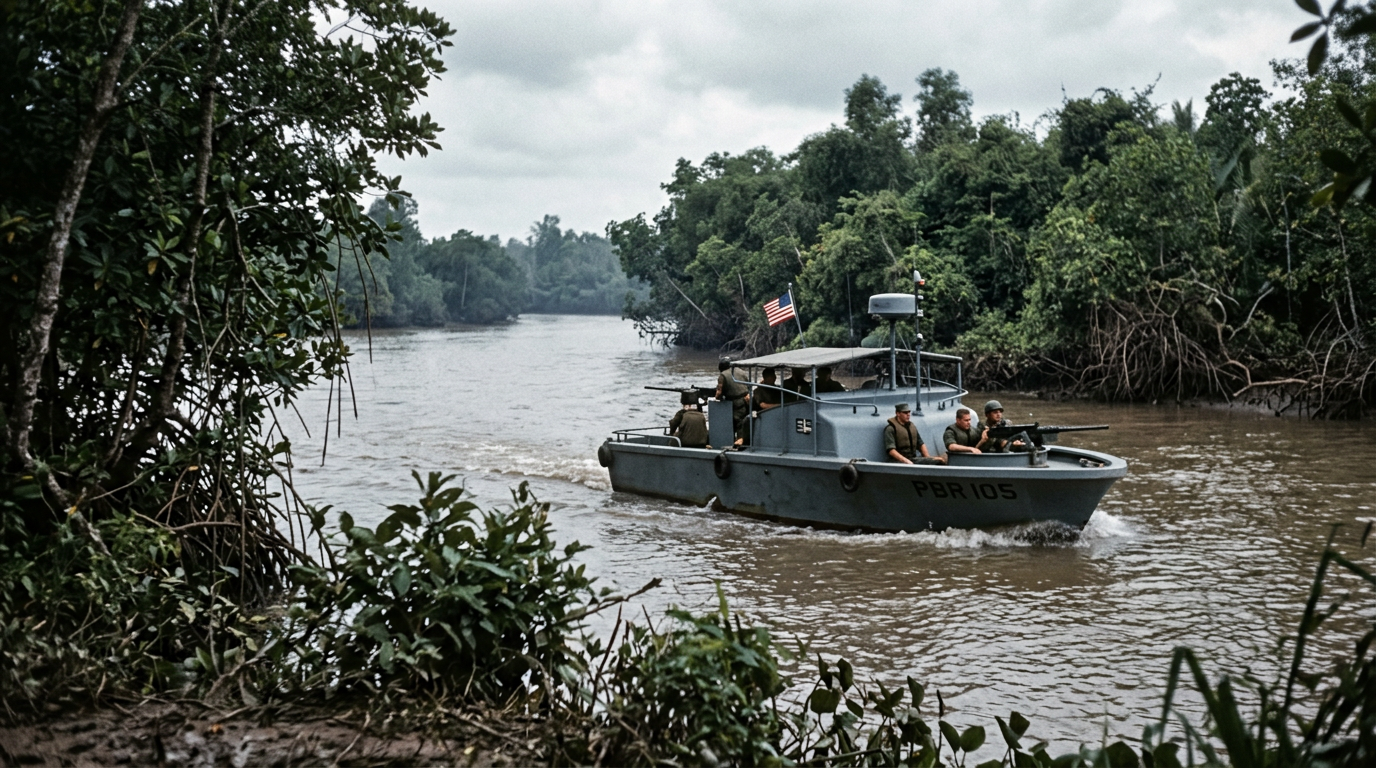
Brown Water Navy Veterans
Brown Water Navy veterans ran the rivers, canals, and harbors of Vietnam, and they have been inside the Agent Orange presumption from the start. The fight was never about them, but the VA still stalls these claims when the paper does not instantly place the boat on an inland waterway.
Read more
Gulf War & PACT Act Veterans
The PACT Act dramatically expanded presumptive conditions for veterans exposed to burn pits and airborne hazards in the Gulf War and post-9/11 conflicts.
Read more