You served. The VA owes you a debt it does not volunteer to pay. Everything here is free. When you need an accredited agent in your corner, we are right here.
The VA Caregiver Support Program can pay a monthly stipend to eligible family caregivers of severely disabled veterans. Here’s who qualifies, how the two levels work, and where claims get tripped up.
I’m Albert Thombs, a VA-accredited claims agent (#45147), not a lawyer and not the VA. I’m also a disabled veteran who has lived this system from the inside. This is general educational information only, not legal or medical advice, and it does not create an agent-client relationship.
If your family is carrying the load of bathing, dressing, supervising, managing medications, or keeping a severely disabled veteran safe at home, you need to know about the Program of Comprehensive Assistance for Family Caregivers, usually called PCAFC. This is one of those VA benefits too many families hear about late, apply for badly, or get denied without understanding why.
At its core, PCAFC is not compensation paid to the veteran. It is a support program that can include a monthly stipend paid to the caregiver because the caregiver is the one providing the hands-on personal care services and supervision. That distinction matters. The veteran may already receive VA disability compensation, pension, or even a high combined rating. PCAFC is a separate benefit stream tied to caregiving needs inside the home.
Why the caregiver gets paid, not the veteran
This confuses a lot of families, but the logic is straightforward. The stipend is meant to recognize and partially offset the economic impact on the person who is doing the caregiving work. In many homes, that caregiver cuts work hours, leaves a job, rearranges the household, and absorbs daily responsibilities the veteran cannot safely handle alone.
The VA treats PCAFC as a caregiver support benefit, not as an increase to the veteran’s disability rating under the VA rating schedule in 38 CFR Part 4. In plain English: the veteran’s compensation claim and the caregiver’s stipend are different lanes, even though the veteran’s service-connected disabilities are what open the door to eligibility.
If the veteran needs significant in-home personal care because of service-connected disability, the caregiver may be the person entitled to the monthly stipend.
Who usually qualifies for PCAFC
The details matter, and the VA will make the final decision based on the individual facts. But generally, PCAFC is built for veterans with serious functional impairment tied to service-connected conditions. This often includes veterans who need help with activities of daily living or need supervision, protection, or instruction to stay safe in their environment.
Common examples include help with:
bathing or showering
dressing
grooming and hygiene
toileting
feeding
mobility and transfers
medication management
supervision due to memory loss, cognitive problems, seizures, mental health symptoms, or safety risks
The key issue is not whether the veteran has a certain diagnosis by name. The key issue is how much regular personal care and supervision the veteran actually needs because of service-connected disability.
Understanding your community, what the VA looks for.
That is where many families get blindsided. The VA may agree the veteran is badly disabled but still claim the record does not show the required level of personal care. So the evidence has to document function, not just diagnoses.
The service-connection piece still matters
PCAFC is not available just because a veteran is ill or elderly. The disabling limitations generally have to flow from service-connected conditions. If the veteran has serious needs but the underlying condition was denied by the VA, underrated, or never claimed correctly, that can block PCAFC or weaken the application.
If that is your situation, do not ignore the underlying compensation case. The four main appeal lanes are Supplemental Claim, Higher-Level Review, Board of Veterans Appeals (BVA), and the Court of Appeals for Veterans Claims (CAVC). Sometimes the caregiver problem is really a service-connection or rating problem wearing a different uniform.
The two stipend levels
PCAFC generally uses two stipend levels. The level depends on the veteran’s degree of need and the amount of personal care services and supervision required. I am not giving you a guaranteed payment figure here because every dollar amount is an estimate, rates can change, local calculations can vary, and the VA makes the final decision in each case.
Level 1
Level 1 generally applies when the veteran needs a substantial amount of personal care services, but not at the highest tier recognized by the program. Think serious, ongoing assistance that affects daily function and independence.
Level 2
Level 2 is generally for veterans with a higher degree of dependency, supervision needs, or hands-on care needs. This is the higher stipend tier.
The mistake I see all the time is families assuming a severe diagnosis automatically equals the higher level. That is not how the VA tends to evaluate it. The agency looks at real-world function: how often help is needed, what kind of help, whether the veteran can self-direct, and whether there are safety risks requiring supervision or protection.
For a deeper dive into caregiver stipend rules, aging-related benefit planning, and support programs families miss, Albert Thombs built a dedicated site for this at https://theagingveteran.com/. That site also covers related benefits like Special Monthly Compensation (SMC) and rating protection rules, which can matter when severe disability and long-term care overlap.
How to apply
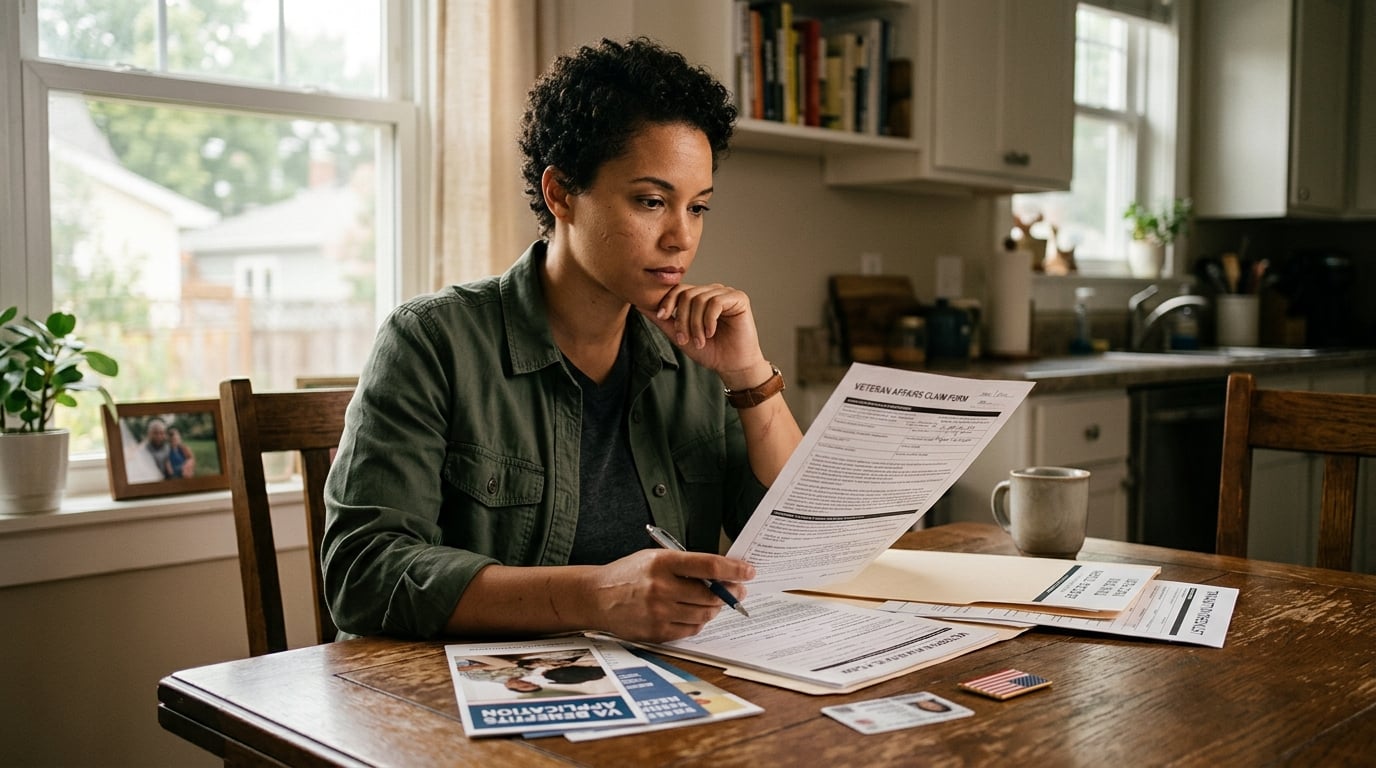
The application process is more than just sending in a form and hoping for the best. Expect the VA to look at medical records, functional limitations, the home care situation, and whether the proposed caregiver can perform the role.
Official VA Video · Government Produced
How VA Disability Compensation WorksU.S. Dept. of Veterans Affairs
Identify the primary caregiver. In some cases there may also be secondary caregivers, but the monthly stipend is tied to the approved structure of care.
Submit the PCAFC application. Make sure the veteran’s service-connected conditions and caregiving needs are clearly identified.
Document function, not just diagnosis. Include records and statements showing what the veteran cannot do alone, how often help is needed, and what the caregiver actually does.
Complete evaluations. The VA may conduct clinical assessments, home-based evaluations, interviews, or other reviews of caregiving needs.
Respond fast to VA requests. Missed calls, incomplete paperwork, and vague answers can sink a valid application.
Strong evidence can include treatment notes, occupational or physical therapy records, mental health records where relevant, medication management concerns, fall history, cognitive impairment evidence, and detailed caregiver statements. A good caregiver statement is specific. It does not say, “I help him every day.” It says, “I assist with transfers from bed to wheelchair, prepare all medications, supervise showers due to fall risk, and cannot leave him alone because he wanders and forgets the stove is on.”
Why good applications still get denied
Because the VA often narrows the issue. It may downplay supervision needs, ignore lay evidence, over-focus on moments of apparent independence, or separate non-service-connected limitations from service-connected ones in a way that guts the claim. That is exactly why the file needs to be built carefully from the start.
If toxic exposure, late-life illness, or presumptive conditions are part of the picture, the compensation side may need attention too. For that, Albert Thombs built a dedicated site at https://veterantoxicexposure.com/, including deeper guidance on exposure-based claims and the evidence fights that come with them.
What families should do next
If you think your household may qualify, do not wait for the VA to connect the dots for you. Start building a practical record of what care is being provided, how often, why it is necessary, and which service-connected conditions are driving the need.
Also look at the broader benefit picture. Some families who qualify for PCAFC may also need to examine Special Monthly Compensation, rating increases, Total Disability based on Individual Unemployability, or effective-date issues on the underlying compensation claim. If you want to run the numbers on the compensation side, use the free tools at https://vabenefitscalculators.com/. Just remember that all dollar figures and rating estimates are only estimates and depend on the veteran’s individual facts and the VA’s final decision.
PCAFC can be life-changing for the right family, but the VA does not make it easy. If you were denied, underrated elsewhere, or you are trying to understand how the caregiver program fits into the veteran’s larger benefits strategy, feel free to reach out for a free case review. No pressure. I’ll help you decode the VA black box.
Every VA disability claim is adjudicated under the procedures in M21-1, the VA's internal Adjudication Procedures Manual, and the regulatory standards in 38 CFR Parts 3 and 4. Raters are bound by these rules, and when they deviate, veterans have grounds to challenge the decision. Under Gilbert v. Derwinski, the benefit-of-the-doubt standard at §3.102 requires the VA to resolve every evidentiary tie in the veteran's favor. Under Esteban v. Brown, separate disabilities producing separate functional losses must be rated independently, even when they arise from the same injury, the VA cannot collapse distinct impairments into one rating.
I will be straight with you. No advocate on earth can win a claim for a veteran who will not do his or her part. The VA decides on the record, and you are the only person who can build the medical side of that record. We do the legal and forensic work. You do yours. Here is what that means, every single time:
See a doctor and get every symptom written into your medical record. If it is not on paper, the VA treats it as if it never happened.
Keep a symptom journal. Dates, flare-ups, missed work, the nights you did not sleep. That is the evidence of how this condition actually runs your life.
Answer every VA letter and every request for evidence before the deadline. Silence gets claims denied.
Show up to your C&P exam and describe your worst days honestly. Do not tough it out in that room. Do not exaggerate either.
You do your job and we will do ours. That is how claims get won.
Choose Your Service
The Three Services
We offer three completely separate services, kept distinct on purpose so you know exactly what you are buying, what it costs, and how it is paid. These are not tiers of one agreement, you choose the single option that fits your situation.
Two are contingency representation with no cost up front; they differ by how hard the case is and how the fee gets paid. The third is a flat-fee forensic report for the veteran who wants to fight the claim himself.
Option 1
Standard Direct-Pay Representation
20% of back pay
No cost up front, nothing out of pocket. The VA withholds our fee and pays us directly under §14.636(h). Best for cleaner, more recent, single-issue denials, routine higher-level reviews, supplemental claims, and rating increases, carried all the way to the Board of Veterans’ Appeals.
For high-complexity cases, long claim histories, prior Board denials, CUE, complex effective-date and TDIU fights, multi-issue toxic exposure. Still no cost up front. Because the VA pays a rep only up to 20% directly, the VA sends your full retro to you and we invoice you directly for the 30%. Lawful, but never entered into lightly.
A standalone forensic file review and written road map, not representation. For the veteran with a tough, older case who wants to fight it himself and keep 100% of his back pay. We audit your file, show you every error, and hand you the plan. Available only to veterans who already have a VA decision.
The exact contingency percentage on your case is set in a written agreement by the complexity of the work, always within the maximum the law allows. Federal-court litigation, if it is ever needed, is a separate, pre-agreed arrangement.
Denied or under-rated?
Talk to a VA-accredited claims agent about your claim
Albert L. Thombs Jr. is a US Army veteran, VA-Accredited Claims Agent #45147, and 100% service-connected himself. He personally reviews every request. Fees are capped by 38 CFR §14.636, and there are no fees on representation unless you win.